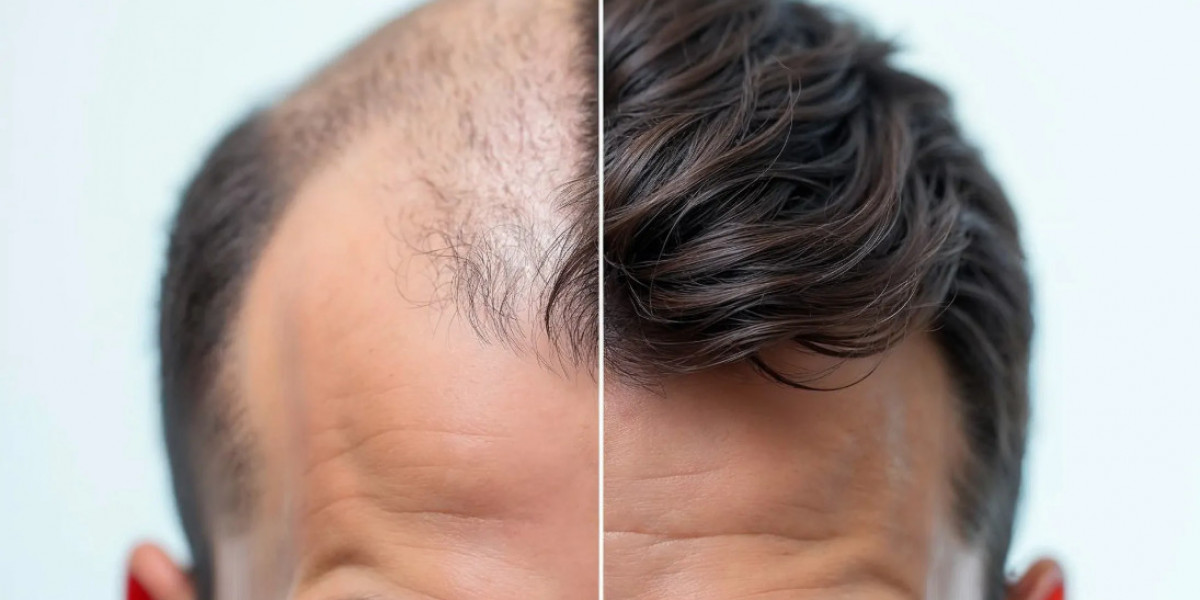

Exosome therapy has emerged as a revolutionary approach to hair restoration, offering a regenerative alternative to traditional treatments like medications and hair transplants. One of the key benefits that patients often seek from exosome therapy is the improvement of hair density—the number of hair strands per square centimeter on the scalp. Hair density is a critical factor in achieving a full, natural-looking head of hair, and it can be affected by age, genetics, hormonal changes, stress, or scalp conditions. Understanding how exosome therapy promotes hair density provides insight into why it has become increasingly popular among those experiencing hair thinning or early-stage hair loss. Many people are exploring the benefits of exosomes in Riyadh for natural hair restoration and scalp rejuvenation.
The Biological Basis of Hair Density
Hair density is determined by the number of active hair follicles on the scalp, the thickness of individual hair shafts, and the rate at which hair grows. As follicles miniaturize due to androgenetic alopecia, chronic inflammation, or other factors, the number of visible hairs decreases, leading to thinning areas. Dormant or miniaturized follicles are often still present beneath the scalp but are not producing fully functional hair shafts. Increasing hair density, therefore, requires reactivating these dormant follicles, improving hair shaft thickness, and supporting the growth cycle to maximize the number of visible strands.
How Exosome Therapy Works
Exosomes are extracellular vesicles secreted by stem cells, containing growth factors, cytokines, and microRNAs that regulate cellular communication. They do not contain live cells but act as biological messengers, delivering instructions that can stimulate hair follicles to regenerate. When injected into areas of thinning, exosomes interact with dermal papilla cells—the primary regulators of hair follicle growth—and activate multiple regenerative pathways.
- Follicle Activation
Exosomes stimulate dermal papilla cells, which in turn promote the transition of hair follicles from the telogen (resting) phase to the anagen (growth) phase. By reactivating dormant follicles, previously non-productive hair units begin producing hair shafts again, effectively increasing the total number of visible hairs. - Hair Shaft Thickening
Hair density is not only about the number of follicles but also the thickness of each strand. Exosomes deliver growth factors such as fibroblast growth factor (FGF), vascular endothelial growth factor (VEGF), and platelet-derived growth factor (PDGF), which enhance follicle nutrition, improve keratinocyte activity, and promote stronger hair shafts. Thicker hair shafts contribute to the visual perception of fuller hair, amplifying the effect on density. - Enhanced Scalp Microenvironment
Healthy blood flow and minimal inflammation are critical for maintaining hair density. Exosomes promote angiogenesis, stimulating the formation of new capillaries around follicles, which improves oxygen and nutrient delivery. They also modulate local inflammatory responses and reduce oxidative stress. A healthier microenvironment supports active follicles and prevents further miniaturization, preserving existing hair density while promoting new growth.
Expected Improvements in Hair Density
Hair density improvement with exosome therapy is gradual. Most patients notice initial changes in hair thickness and texture within two to three months, as dormant follicles begin producing finer hairs. More significant changes in visible density typically occur between four and six months after treatment, as these hairs mature and additional follicles are stimulated. Optimal results are often observed around six to nine months, when hair shafts thicken and the cumulative effect of activated follicles becomes apparent.
Factors Affecting Outcomes
Several factors influence how much hair density improves with exosome therapy:
- Stage of Hair Loss: Patients with early to moderate thinning respond more effectively than those with complete bald patches, as more dormant follicles are available for stimulation.
- Scalp Health: A healthy scalp free from inflammation or infection provides a better environment for exosome activity.
- Age and Genetics: Younger patients and those with less genetically determined hair loss may achieve more pronounced improvements.
- Treatment Plan Adherence: Multiple sessions and follow-up maintenance treatments enhance long-term density gains.
- Combination Therapies: Using exosomes alongside PRP, low-level laser therapy, or topical agents can amplify results and further improve hair density.
Maintaining Hair Density
While exosome therapy can significantly improve hair density, maintenance sessions are often recommended every three to six months to sustain results. This is especially important in conditions like androgenetic alopecia, where follicles remain susceptible to miniaturization over time. Combined with supportive measures such as topical treatments, lifestyle adjustments, and scalp care, patients can maximize both the immediate and long-term effects on hair density.
Conclusion
Exosome therapy improves hair density by stimulating dormant follicles, thickening individual hair shafts, and creating a healthy scalp microenvironment. The regenerative properties of exosomes allow dormant or miniaturized follicles to re-enter the growth cycle, resulting in more visible hairs per square centimeter. While results are gradual and may require multiple sessions and maintenance treatments, patients can experience significant improvements in fullness, thickness, and overall scalp coverage. By leveraging the biological signaling capabilities of exosomes, this therapy provides a promising solution for individuals seeking to restore hair density naturally and effectively.