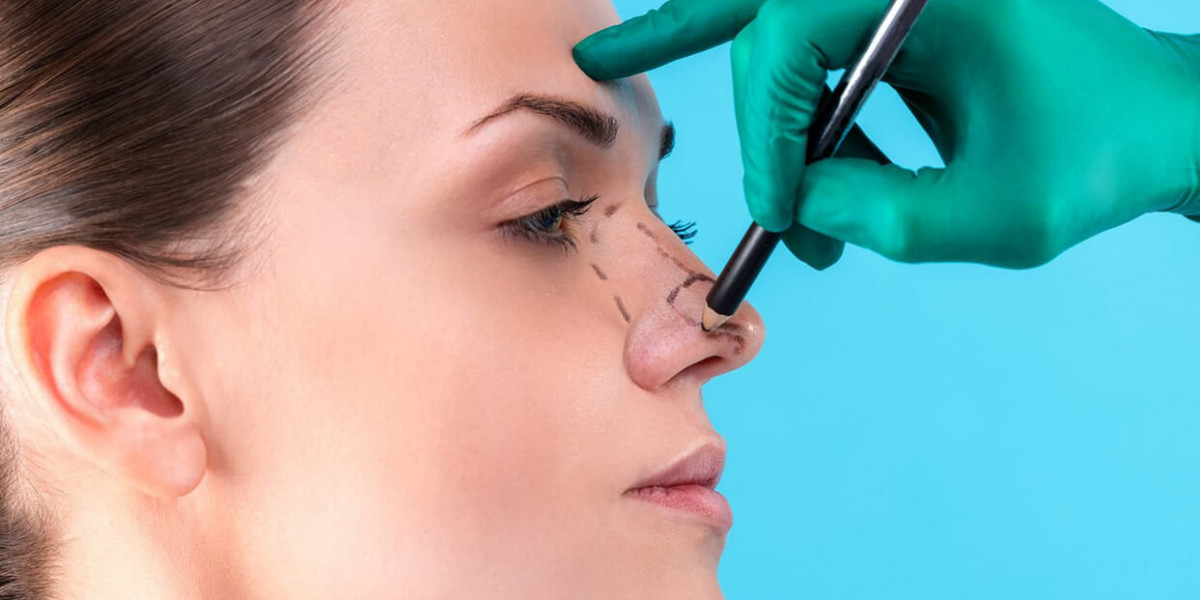

Rhinoplasty is a complex surgical procedure that requires careful planning and precision to achieve both aesthetic and functional outcomes. A successful surgery relies not only on the skill of the surgeon but also on a thorough preoperative assessment of the nasal anatomy. Understanding the structure of the nose, its internal and external components, and how these relate to the rest of the face is essential for predicting outcomes, avoiding complications, and ensuring long-term patient satisfaction.
If you are considering enhancing your facial harmony, exploring options for Rhinoplasty in Riyadh can help you achieve both aesthetic and functional improvements safely.
Why Nasal Anatomy Assessment is Critical
Each patient’s nose is unique in terms of bone structure, cartilage shape, skin thickness, and soft tissue characteristics. A comprehensive assessment before surgery allows the surgeon to:
- Identify functional issues: Deviated septum, collapsed nasal valves, or narrow airways can affect breathing. Recognizing these conditions early enables the surgeon to plan corrections alongside aesthetic changes.
- Determine aesthetic goals: Understanding facial proportions, nasal angles, and symmetry helps create a surgical plan that enhances harmony and maintains natural appearance.
- Prevent complications: Knowledge of underlying structures reduces the risk of over-resection, structural collapse, or post-surgical deformities.
- Set realistic expectations: Preoperative assessment allows surgeons to educate patients on what can be achieved given their anatomical limitations.
Without a detailed analysis, rhinoplasty risks producing results that are either functionally inadequate or visually unbalanced.
Components of Nasal Anatomy Assessment
A comprehensive nasal evaluation involves examining several key components:
1. External Nasal Structure
- Nasal bridge: The height, width, and shape of the bridge determine the overall nasal profile. Humps, dips, or flatness must be identified.
- Nasal tip: Tip projection, rotation, and symmetry affect both appearance and nasal airflow. Weak or underdeveloped cartilage can cause drooping or asymmetry if not addressed.
- Nostrils and alar base: The width and shape of the nostrils must be considered to maintain balance with the nasal tip and bridge.
- Skin thickness: Thick skin may mask underlying refinement, while thin skin may reveal minor imperfections. Skin elasticity influences surgical technique and expected outcomes.
2. Internal Nasal Structures
- Septum: Deviations or irregularities in the septum can cause nasal obstruction and affect the structural stability of the nose.
- Nasal valves: Both internal and external valves regulate airflow. Weakness or collapse must be corrected to ensure proper breathing.
- Cartilage and bone integrity: The size, strength, and shape of the cartilage and nasal bones determine how much reshaping is possible without compromising function.
3. Facial Proportions and Symmetry
The nose does not exist in isolation. Its relationship with the forehead, eyes, cheeks, and lips is essential for a balanced appearance. Measurements such as nasolabial angle, tip rotation, and dorsal height are evaluated to plan adjustments that complement the overall facial structure.
Diagnostic Tools and Techniques
Surgeons use a combination of physical examination, imaging, and modeling to assess nasal anatomy:
- Physical inspection: Evaluates symmetry, nasal length, tip projection, and skin characteristics.
- Palpation: Determines cartilage strength, bone contours, and areas of weakness.
- Endoscopy: Provides a view of the internal nasal cavity, septum, and turbinates.
- Photography and digital simulation: Helps plan aesthetic changes and communicate expected outcomes with patients.
- CT scans or 3D imaging (when needed): Essential for complex cases, including congenital deformities or post-traumatic reconstruction.
These tools allow surgeons to create a customized surgical plan that addresses both structural and cosmetic goals.
Functional Considerations
Many patients seek rhinoplasty primarily for cosmetic improvement, but functional issues must not be overlooked. Preoperative assessment helps identify:
- Breathing difficulties: Caused by septal deviation, nasal valve collapse, or turbinate enlargement.
- Snoring or sleep-related issues: Often linked to structural obstruction.
- History of trauma or previous surgeries: Scar tissue, bone fractures, or prior modifications can affect surgical planning.
Addressing these issues during the initial surgery reduces the need for revision procedures and ensures long-term nasal health.
Aesthetic Planning and Patient Communication
A thorough assessment also supports patient education and expectation management:
- Surgeons can explain which changes are feasible and which may be limited by anatomical constraints.
- Digital imaging allows patients to visualize potential results, improving satisfaction and reducing misunderstandings.
- Surgeons can discuss the balance between aesthetics and function, emphasizing the importance of maintaining structural integrity.
Clear communication based on precise anatomical understanding minimizes the risk of dissatisfaction and supports informed decision-making.
Conclusion
Preoperative nasal anatomy assessment is a cornerstone of safe and effective rhinoplasty. It enables surgeons to address both functional and aesthetic goals, tailor surgical techniques to individual anatomy, and anticipate potential challenges. By thoroughly evaluating external structures, internal cartilage, septum, nasal valves, and facial proportions, surgeons can design a procedure that enhances facial harmony while preserving or improving nasal function.