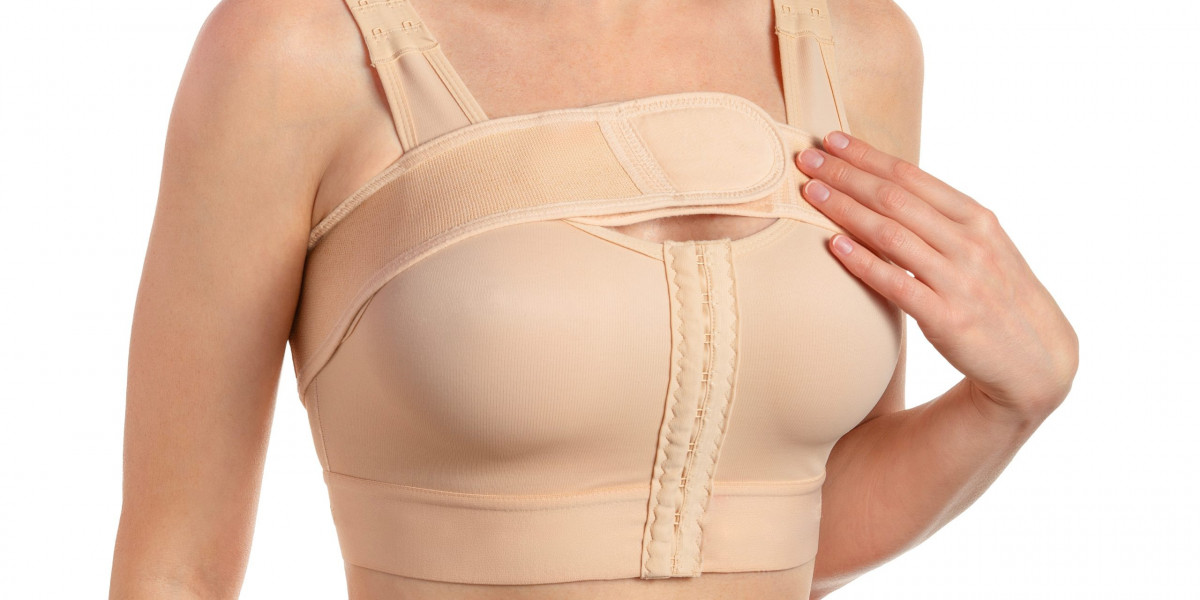
Breast filler injections are a popular non-surgical option for enhancing volume, correcting asymmetry, and improving breast shape. When performed by a qualified practitioner, the procedure is generally safe and minimally invasive. However, like any medical intervention, it carries potential risks. Early identification of complications is critical to prevent long-term issues, ensure safety, and maintain optimal aesthetic results. Understanding what to watch for and acting promptly can significantly reduce the severity of any adverse effects. Many women are exploring the benefits of breast filler injections in Riyadh as a non-surgical option for enhancing their shape and volume.
Common Complications After Breast Filler Injections
Complications can range from mild and temporary to more serious medical concerns. Some of the most common issues include:
- Swelling and Redness: Mild swelling, redness, or tenderness at the injection site is typical in the first 24 to 72 hours. Persistent or worsening swelling may indicate infection or inflammation.
- Bruising: Minor bruising is expected, but excessive or spreading bruising can signal improper filler placement or vascular issues.
- Lumps or Nodules: Small lumps may form as the filler settles. However, firm or growing nodules can indicate granulomas, clumping of filler, or infection.
- Asymmetry or Uneven Contours: Uneven appearance can result from filler migration, improper placement, or variable tissue response.
- Pain: Mild discomfort is normal immediately after the procedure, but intense or persistent pain may indicate complications such as infection or vascular compromise.
Serious Complications to Watch For
While rare, some complications require immediate medical attention:
- Infection: Signs include increasing redness, warmth, tenderness, swelling, fever, or discharge at the injection site. Early treatment with antibiotics can prevent systemic infection.
- Vascular Compromise: Although uncommon in breast injections, filler accidentally entering a blood vessel can cause tissue ischemia. Warning signs include severe pain, blanching of the skin, or unusual discoloration. Prompt intervention is critical to prevent tissue damage.
- Allergic Reactions: Some patients may experience redness, itching, or swelling due to an immune response to the filler. Severe reactions may cause widespread swelling or difficulty breathing, necessitating emergency care.
- Migration or Extrusion of Filler: If the filler moves from the intended area or protrudes through the skin, this can create lumps or deformities. Early detection allows for correction, often with dissolving agents.
Early Identification Strategies
1. Self-Monitoring
Patients should monitor their breasts daily for changes in shape, texture, color, or sensation. Key signs to observe include:
- Redness that spreads or intensifies
- Sudden or increasing pain
- Unusual lumps or nodules
- Swelling that persists beyond the typical few days
Early recognition allows the patient to alert their practitioner before complications escalate.
2. Follow-Up Appointments
Scheduled follow-ups with the injector are crucial. Practitioners typically assess symmetry, contour, and tissue response in the first two weeks after the procedure. Any irregularities detected during these visits can be addressed promptly, minimizing long-term issues.
3. Awareness of Systemic Symptoms
Patients should remain alert to symptoms beyond the breast, such as fever, fatigue, or flu-like feelings, which could indicate an infection spreading beyond the local area. Early medical attention can prevent more severe consequences.
4. Communication With Your Practitioner
Open communication is vital. Patients should report any unexpected changes immediately rather than waiting for the next scheduled appointment. Quick intervention is often simpler and more effective than delayed treatment.
Preventing Complications
While early identification is critical, prevention is equally important. Key preventive strategies include:
- Choosing a qualified, experienced practitioner familiar with breast anatomy and filler techniques
- Ensuring the clinic follows strict hygiene and sterile injection protocols
- Avoiding pressure, trauma, or vigorous activity on the breasts immediately after the procedure
- Following all post-procedure care instructions, including monitoring for swelling, avoiding hot compresses unless recommended, and using gentle massage if advised by the practitioner
Treatment of Early Complications
Many complications can be resolved if identified early:
- Swelling and bruising usually resolve with cold compresses, rest, and mild anti-inflammatories.
- Lumps or nodules caused by filler clumping may be corrected by gentle massage or, in the case of hyaluronic acid fillers, dissolved with hyaluronidase.
- Infections require prompt antibiotic therapy to prevent spread.
- Vascular issues demand immediate evaluation and intervention, often involving dissolving the filler to restore circulation.
Conclusion
Early identification of complications after breast filler injections is essential for maintaining safety and aesthetic results. Patients should actively monitor their breasts for swelling, redness, pain, lumps, or changes in symmetry, and promptly report any concerns to their practitioner. Regular follow-ups, awareness of systemic symptoms, and adherence to post-procedure care all contribute to early detection.
Choosing a qualified provider, following strict hygiene protocols, and understanding potential risks further reduce the likelihood of complications. By staying vigilant and proactive, patients can enjoy the benefits of breast filler injections while minimizing the risk of adverse outcomes.