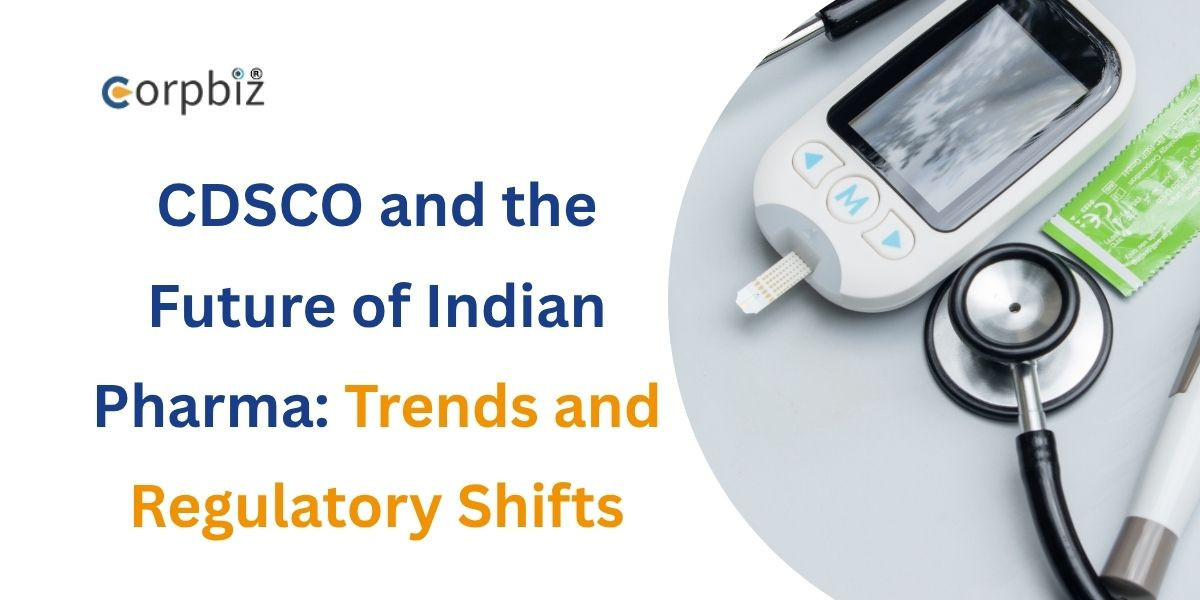

India’s pharmaceutical industry has grown rapidly over the last two decades. Today, the country is known as the “Pharmacy of the World” because it supplies affordable medicines to many countries. However, the future of Indian pharma is not limited to low-cost generic medicines. The industry is now moving toward innovation, advanced therapies, medical devices, and global regulatory compliance.
At the center of this transformation is the Central Drugs Standard Control Organisation (CDSCO), India’s national regulatory authority for drugs, cosmetics, and medical devices. The organization plays a key role in ensuring that products sold in India are safe, effective, and of high quality. It also regulates clinical trials, approves new drugs, and sets guidelines for pharmaceutical manufacturing and imports.
As regulations evolve and technology advances, CDSCO is introducing new frameworks, digital systems, and global standards that are shaping the future of the pharmaceutical sector.
Understanding CDSCO and Its Role in Indian Pharma
The Central Drugs Standard Control Organisation operates under India’s Ministry of Health and Family Welfare. It is responsible for regulating pharmaceuticals, biological products, medical devices, and cosmetics across the country.
Some of the key functions of CDSCO include:
Approval of new drugs and vaccines
Regulation of clinical trials
Licensing for drug imports and manufacturing
Monitoring drug safety and quality
Coordination with state drug regulatory authorities
In simple terms, CDSCO works to ensure that medicines and medical products available in India are safe and effective for public use.
The organization is headed by the Drug Controller General of India (DCGI), who makes final decisions regarding approvals for new drugs, clinical trials, and certain licenses.
Why CDSCO Regulations Are Important for Pharma Businesses
For pharmaceutical companies, compliance with CDSCO regulations is not optional—it is mandatory. Any company that manufactures, imports, sells, or distributes drugs and medical devices in India must obtain the required approvals.
Some of the major approvals businesses need include:
Online CDSCO Registration
CDSCO Cosmetic License
CDSCO Medical Device Import License
CDSCO Medical Device Manufacturing License
These approvals ensure that companies follow quality standards and regulatory procedures before launching products in the market.
Without proper CDSCO authorization, companies may face penalties, product bans, or legal action.
The Future of Indian Pharma
India’s pharmaceutical sector is entering a new phase of growth. Earlier, the industry mainly focused on producing generic medicines. Now, companies are investing in innovation, research, and high-value drug development.
Experts believe India could transform from a generics-driven market into an innovation-led pharmaceutical ecosystem in the coming years.
Several trends are driving this change.
Key Trends Shaping the Future of Indian Pharma
1. Shift from Generics to Innovation
India has long been known for producing generic drugs at affordable prices. However, the future lies in advanced therapies and innovative medicines.
Pharma companies are now focusing on:
Biosimilars
Biologics
Peptide drugs
Complex generics
Advanced therapies
Industry leaders believe that India is well positioned to become an innovation-driven pharma nation within the next five years.
This shift will require stronger regulatory frameworks, which CDSCO is actively developing.
2. Digitization of Regulatory Processes
One of the biggest regulatory shifts introduced by CDSCO is the digitization of regulatory systems.
Today, around 97% of CDSCO operations are digitized, improving transparency and reducing delays in approval processes.
Digital transformation has helped the regulator:
Track applications faster
Reduce manual errors
Improve compliance monitoring
Provide real-time dashboards for regulatory tracking
For businesses, this means faster approval timelines and easier online applications through Online CDSCO Registration systems.
3. Stronger Quality and Safety Regulations
Recent global incidents involving contaminated medicines have forced regulators to strengthen safety standards.
CDSCO has introduced stricter manufacturing guidelines, better labeling requirements, and stronger inspections to prevent such incidents.
These measures aim to:
Improve drug quality
Increase accountability among manufacturers
Protect patient safety
Although stricter rules may increase compliance costs, they will improve the reputation of Indian pharma products globally.
4. Global Regulatory Alignment
Another major trend is the alignment of Indian regulations with international standards.
CDSCO is gradually harmonizing its guidelines with global organizations such as:
WHO
International Council for Harmonisation (ICH)
US FDA standards
This alignment will make it easier for Indian pharmaceutical companies to export medicines to international markets.
5. Growth of Medical Device Regulation
The medical device industry in India is growing rapidly. Earlier, many devices were regulated under drug laws. However, CDSCO has now introduced separate regulatory frameworks for medical devices.
The regulator has also started issuing guidelines for medical device software and digital health technologies, reflecting the growing role of digital healthcare.
As a result, companies must now obtain approvals such as:
These licenses ensure that medical devices meet safety and quality standards before reaching patients.
6. New Rules for Drug and Device Approvals
To make the approval process more transparent and efficient, CDSCO has introduced formal guidelines for expert panels reviewing drugs and medical devices.
These guidelines aim to:
Speed up regulatory approvals
Improve transparency in decision making
Reduce inconsistencies in product evaluations
Such reforms will help pharmaceutical companies bring new products to market faster.
7. Government Investment in Pharma Innovation
The Indian government is also supporting the pharma industry through various initiatives.
Recent policy announcements include investments in research, innovation, and biopharma development programs.
These programs aim to:
Encourage pharmaceutical research
Promote domestic manufacturing
Reduce dependence on imports
Strengthen India’s global pharma position
Such initiatives will work alongside CDSCO reforms to accelerate industry growth.
Regulatory Shifts That Pharma Companies Must Watch
The regulatory environment in India is evolving quickly. Pharma companies must stay updated with new compliance requirements.
Here are some important regulatory shifts.
Separate Regulations for Drugs, Devices, and Cosmetics
Earlier, many pharmaceutical products were regulated under a single framework. Now CDSCO is introducing separate rules for different categories, including drugs, medical devices, and cosmetics.
This allows the regulator to address the unique challenges of each sector more effectively.
For example:
Drugs require clinical trials and safety evaluations.
Medical devices require technical performance testing.
Cosmetics require safety and labeling compliance.
Companies manufacturing cosmetics must obtain a CDSCO Cosmetic License before selling products in India.
Faster Approval Timelines
The government is working to reduce approval timelines for drugs and medical devices. Faster approvals will encourage innovation and attract global investment in India’s pharma sector.
For businesses, this means quicker market entry for new products.
Stronger Manufacturing Compliance
Pharmaceutical companies must now follow stricter manufacturing standards.
Facilities must comply with:
Good Manufacturing Practices (GMP)
WHO quality standards
Updated inspection requirements
These standards ensure that medicines produced in India meet global quality benchmarks.
How Businesses Can Prepare for Future CDSCO Regulations
Pharma companies must adopt a proactive approach to compliance. Here are a few important steps.
1. Stay Updated with Regulatory Changes
Regulations change frequently. Companies should monitor CDSCO notifications and policy updates regularly.
2. Invest in Compliance Systems
Implement digital compliance systems to track regulatory requirements and documentation.
3. Strengthen Quality Control
High-quality manufacturing and documentation are essential for regulatory approvals.
4. Obtain Required Licenses
Businesses should apply for licenses such as:
Online CDSCO Registration
CDSCO Cosmetic License
CDSCO Medical Device Import License
CDSCO Medical Device Manufacturing License
Working with regulatory experts can simplify the application process.
How Corpbiz Helps with CDSCO Compliance
Navigating CDSCO regulations can be complicated for businesses, especially startups and international companies entering the Indian market.
Corpbiz provides expert regulatory support for pharmaceutical and medical device businesses.
Our services include:
Online CDSCO Registration assistance
CDSCO Cosmetic License application
CDSCO Medical Device Import License support
CDSCO Medical Device Manufacturing License consulting
Documentation and compliance management
Regulatory advisory services
With a team of experienced professionals, Corpbiz helps businesses complete the licensing process quickly and efficiently.
Conclusion
The Indian pharmaceutical industry is entering an exciting new phase of growth and innovation. As the sector evolves from generic drug manufacturing to advanced therapies and global research partnerships, regulatory frameworks must also evolve.
The Central Drugs Standard Control Organisation (CDSCO) is playing a crucial role in shaping this transformation. Through digital systems, stricter quality standards, faster approvals, and global regulatory alignment, CDSCO is building a more transparent and efficient regulatory ecosystem.
For pharmaceutical businesses, adapting to these regulatory shifts is essential for long-term success. Companies that invest in compliance, innovation, and quality will be better positioned to thrive in the future of Indian pharma.
With expert guidance from Corpbiz, businesses can navigate the CDSCO regulatory framework smoothly and focus on growth in India’s rapidly expanding pharmaceutical market.
Frequently Asked Questions about CDSCO and the Future of Indian Pharma
1. What is CDSCO?
The Central Drugs Standard Control Organisation (CDSCO) is India’s national regulatory authority responsible for regulating drugs, cosmetics, and medical devices.
2. Who controls CDSCO in India?
CDSCO operates under the Ministry of Health and Family Welfare and is headed by the Drug Controller General of India (DCGI).
3. What is Online CDSCO Registration?
Online CDSCO Registration is the digital process through which pharmaceutical companies apply for approvals and licenses through CDSCO’s online portal.
4. What is a CDSCO Cosmetic License?
A CDSCO Cosmetic License is required for businesses that manufacture or import cosmetic products in India.
5. What is the CDSCO Medical Device Import License?
This license is required for companies that import medical devices into India for sale or distribution.
6. What is the CDSCO Medical Device Manufacturing License?
This license allows businesses to manufacture medical devices in India after meeting CDSCO regulatory requirements.
7. Why are CDSCO regulations important?
These regulations ensure that pharmaceutical products available in India are safe, effective, and manufactured according to quality standards.
Author Profile
Atul Shukla
Regulatory Compliance Expert
Atul Shukla is a regulatory compliance specialist associated with Corpbiz. He has extensive experience in helping businesses navigate complex government regulations related to pharmaceuticals, medical devices, and corporate compliance in India. Through his insights and industry knowledge, he helps entrepreneurs understand regulatory frameworks and build compliant, future-ready businesses.