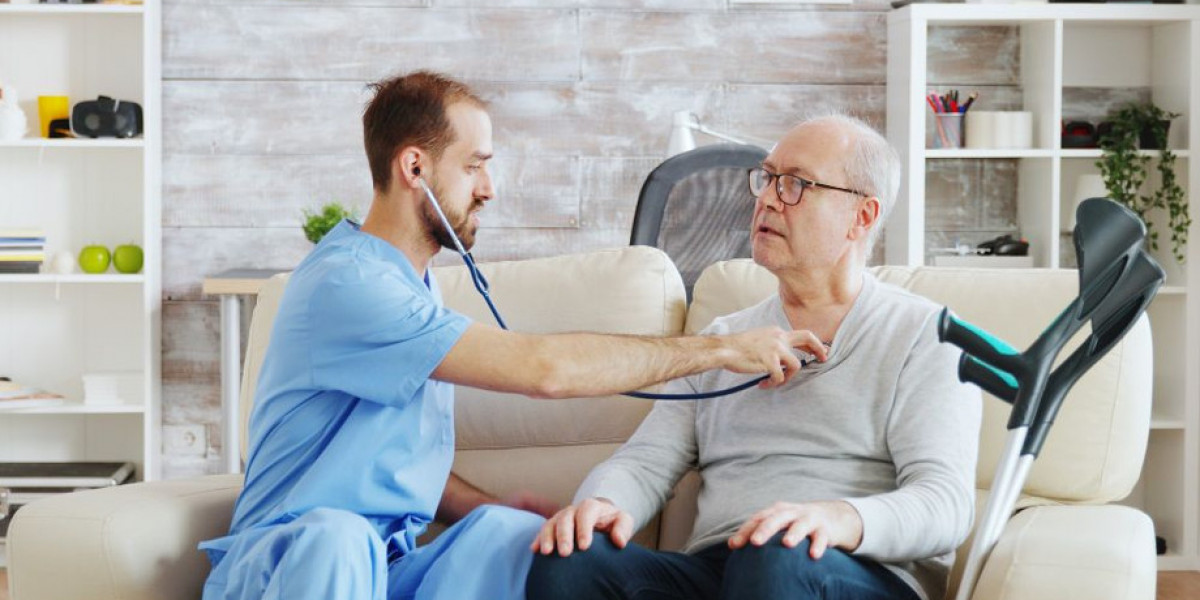

As we move through 2026, the concept of aging in India—and specifically in bustling urban centers—has undergone a radical transformation. The image of the elderly sitting on a porch, waiting for the weekend visit from children, is being replaced by a more dynamic, supported, and independent lifestyle. Central to this shift is the rise of the professional caretaker for senior citizens. No longer viewed as just "domestic help," the modern caretaker is a specialized professional who blends clinical vigilance, psychological support, and tech-enabled safety to ensure that the "Silver Generation" doesn't just age, but thrives.
In a world where medical complexities are rising and family structures are becoming increasingly nuclear or global, the presence of a dedicated caretaker has become the cornerstone of a dignified life.
The Silent Crisis of Urban Aging
The challenges facing seniors today are more multifaceted than in previous decades. While medical science has extended life expectancy, it has also increased the duration for which seniors live with chronic conditions.
Multimorbidity Management: According to recent health studies, over 75% of Indian seniors live with at least one chronic condition, such as diabetes, hypertension, or arthritis. Managing the medication, diet, and physical restrictions of multiple illnesses requires a level of consistency that an untrained person often cannot maintain.
The "Vertical Loneliness" of Cities: In high-rise apartments, the lack of traditional community spaces can lead to severe social isolation. Loneliness is now clinically recognized as a major risk factor for cognitive decline and heart disease.
The Fragility of Independence: For many seniors, the fear of a fall is the single greatest barrier to independence. Statistics show that the majority of life-altering injuries for seniors occur within the "safety" of their own homes.
Redefining the Role: What Does a 2026 Caretaker Do?
The role of a professional caretaker has evolved into a "Holistic Wellness Partner." In 2026, the best care models—like those championed by organizations such as Pranyaas—integrate four critical pillars of support.
1. Clinical Vigilance and Medical Oversight
A professional caretaker acts as the "first responder" and the "clinical eyes" of the family. Their responsibilities go beyond just giving pills; they include:
Vitals Monitoring: Daily tracking of blood pressure, oxygen saturation, and glucose levels to spot trends before they become emergencies.
Medication Adherence: Managing complex schedules to prevent dangerous drug interactions or missed doses.
Post-Hospitalization Support: Providing the specialized care needed after a surgery or acute illness, which is often the most vulnerable period for an elderly person.
2. Cognitive and Brain Health Support
With brain health becoming a core expectation in senior living, caretakers are now trained in neuro-rehabilitation and cognitive stimulation. For seniors with early-stage dementia or Alzheimer’s, a caretaker provides:
Memory Exercises: Engaging the senior in games and recall activities that maintain neural pathways.
Routine Consistency: Building a predictable, calm environment that reduces the anxiety and confusion often associated with memory loss.
3. Emotional Companionship: The Human Connection
Technological safety is important, but it cannot replace the human touch. A caretaker provides "Companion Care," which includes meaningful conversation, accompanying the senior on walks, and helping them stay socially active. In 2026, this also includes "Digital Mentorship"—helping seniors navigate video calls, online banking, and telehealth platforms, ensuring they aren't left behind by the digital divide.
4. Safety and Environmental Audit
A professional caretaker is trained to see a home differently. They proactively identify hazards—like a loose rug, a poorly lit hallway, or a slippery bathroom floor—and implement changes that create a "Zero-Fall Zone." They are also trained in safe transfer techniques, helping seniors with limited mobility move with confidence and dignity.
Technology: The Caretaker’s New Toolkit
One of the most significant changes in 2026 is how technology supports the human caretaker. We are seeing a "Care Ecosystem" that includes:
Remote Patient Monitoring (RPM): Wearable devices that feed data directly to a care manager’s dashboard, allowing for real-time adjustments to a care plan.
AI-Driven Predictive Analytics: Systems that analyze movement patterns to predict a potential fall or a decline in health days before it happens.
Emergency Contact Centers: 24/7 support lines that a caretaker can trigger instantly, ensuring that an ambulance or a doctor-on-call is dispatched without a second of delay.
The Peace of Mind for Global Families
For the millions of NRIs and professionals working in different cities, the caretaker is more than an employee; they are a surrogate family member. The "Guilt of Absence" is a heavy burden for many children today. Professional caretakers for senior citizens alleviate this by providing transparency. Through dedicated apps and regular reporting, families can see exactly how their parents are eating, sleeping, and feeling, transforming the relationship from one of "worry" to one of "connection."
Choosing the Right Path
When selecting a care partner, families must look for more than just a resume. They should look for:
Verified Backgrounds: Safety is paramount; look for Aadhaar-verified and police-checked professionals.
Empathetic Training: Does the caretaker understand the psychology of aging? Do they have the patience to listen?
Agency Support: A standalone caretaker can fall ill or have emergencies. A professional agency ensures continuity of care with vetted replacements and 24/7 oversight.
Conclusion
Aging is not a medical condition to be treated; it is a phase of life to be honored. By integrating professional caretakers for senior citizens into the home, we allow our elders to remain in the environment they love while receiving the protection they need.
In 2026, the goal of senior care is simple: to ensure that the golden years are defined by joy, safety, and a sense of belonging. Whether it's through medical support, emotional companionship, or the clever use of technology, professional caretakers are the heroes making this possible for families across India.