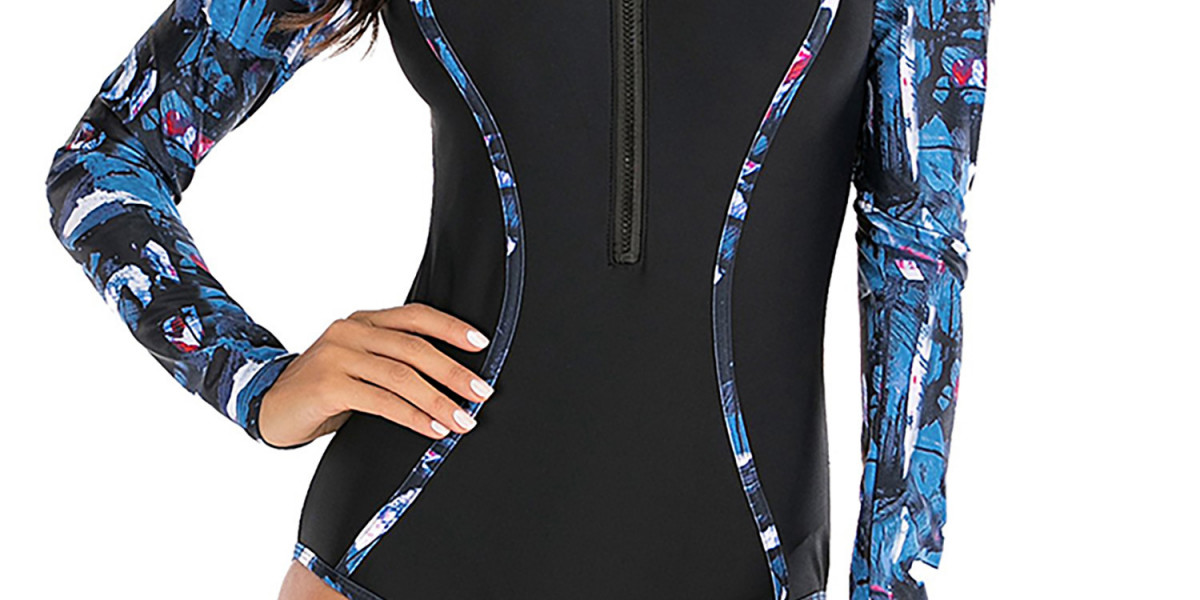

As we navigate the 2026 fitness landscape, the boundaries between traditional activewear and specialized equipment have blurred. The yoga sports category, in particular, has seen a massive influx of demand as consumers move toward "holistic athleticism"—blending high-intensity training with mindful movement. For B2B stakeholders, wholesalers, and private label owners, this presents a lucrative but technically challenging opportunity.
The primary problem facing the industry is the "transparency and tenure" gap. Many manufacturers are still producing generic leggings and tops that fail under the unique mechanical stresses of a high-performance yoga sports routine. When a garment fails to provide opacity, support, or sweat management, the B2B buyer is the one left dealing with high return rates and eroded brand loyalty. Today, we break down the critical problems in sourcing and the expert solutions required to dominate the 2026 market.
1. The Opacity Crisis: Solving the "Sheer" Problem
The most significant pain point in the yoga sports sector remains the lack of fabric density during deep flexion. In a B2B context, "squat-proof" is no longer just a buzzword; it is a baseline requirement for quality assurance. Many suppliers use low-denier polyester blends that look fine on a mannequin but become semi-transparent when the wearer enters a downward dog or a deep lunge.
The Solution: B2B procurement must prioritize high-gauge interlocking knits. Unlike standard jersey knits, interlock fabrics use two sets of needles to create a double-sided texture that provides 100% opacity even when stretched to its limit. Specify a minimum weight of 240–280 GSM (Grams per Square Meter). This ensures the garment remains a professional-grade piece of equipment rather than a low-cost fashion item.
2. Moisture Management and "Post-Flow" Chill
Yoga is often a "stop-and-start" sport, moving from high-intensity flow to stillness. A common problem with lower-tier yoga sports gear is poor capillary action—the fabric absorbs sweat but doesn't move it to the surface for evaporation. This leads to the "post-flow chill," where the athlete becomes uncomfortable and cold as soon as they stop moving.
The Technical Fix:
Hydrophilic Treatments: Ensure your manufacturer uses advanced moisture-wicking finishes that are bonded at the fiber level.
Nylon 6.6 vs. Standard Polyester: While more expensive, Nylon 6.6 offers superior softness and better natural moisture management properties, making it the gold standard for premium B2B collections in 2026.
Antimicrobial Integration: To prevent the buildup of "gym odor" in synthetic fibers, insist on silver-ion or bio-based antimicrobial treatments.
3. The Compression and "Rolling" Bottleneck
For many practitioners, the failure of the waistband is a dealbreaker. Standard elastic waistbands often "roll down" during movement, causing distraction and discomfort. In the yoga sports category, the engineering of the high-rise waistband is the difference between a best-seller and a clearance-bin item.
The Expert Solution: Move toward bonded waistband technology. By using heat-bonded internal panels rather than a single thin strip of elastic, you create a "compression zone" that stays in place without digging into the skin. Furthermore, incorporating ergonomic flatlock seams ensures that the garment moves with the body’s natural contours, reducing the risk of seam failure during high-mobility transitions.
4. Supply Chain Agility: The 2026 Lead-Time Paradox
The 2026 market is defined by "micro-trends" and a shift toward sustainable, small-batch production. The traditional 6-month B2B production cycle is too slow for the yoga sports segment, where color palettes and aesthetic details (like laser-cut ventilation) change rapidly.
The Strategic Pivot:
3D Digital Prototyping: Use tools like CLO 3D or Browzwear to finalize the fit and aesthetic of your collection in days. This eliminates the month-long physical sampling loop.
Greige-Goods Stocking: Keep a stock of high-quality un-dyed fabric at the factory level. This allows you to dye-to-order based on real-time sell-through data, cutting your time-to-market by 50%.
Transparency Compliance: With the new EU Digital Product Passports, ensure your vendors can provide verifiable data on the recycled content (GRS certified) of their textiles.
Conclusion
The yoga sports market in 2026 rewards the technical specialist. Success depends on solving the fundamental problems of fabric opacity, moisture regulation, and waistband integrity. By treating yoga apparel as performance equipment, B2B brands can secure the high-volume, long-term contracts that define industry leadership.
In a marketplace where consumers are increasingly willing to pay a premium for "distraction-free" performance, your commitment to these technical standards is your greatest asset. Precision engineering isn't just a luxury; it’s the foundation of a modern athletic brand.