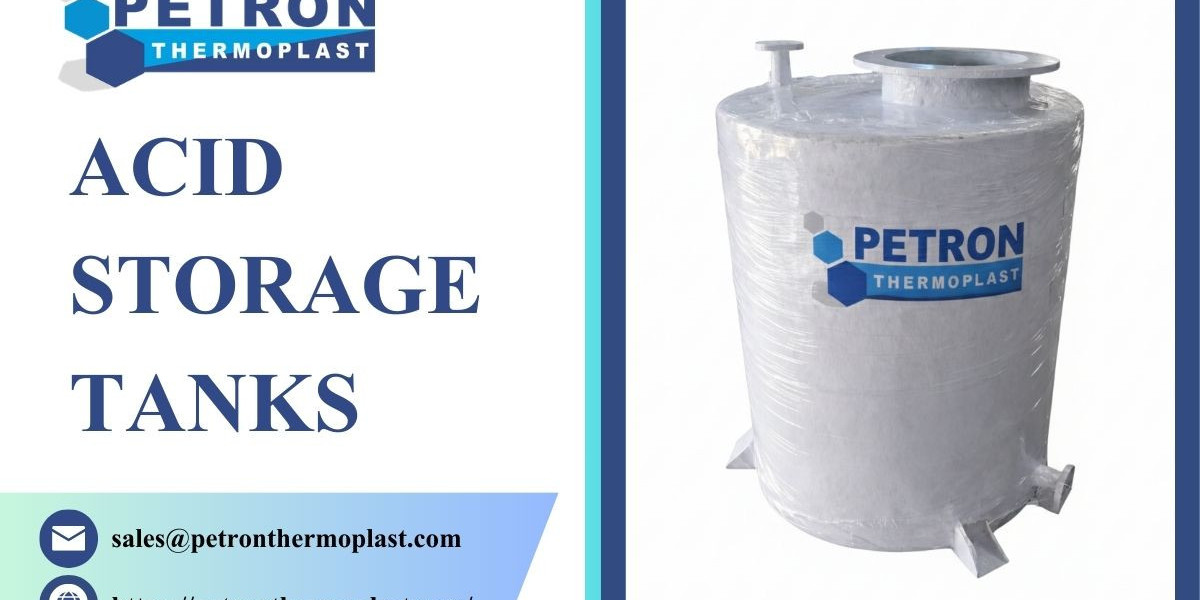

The chemical industry plays a vital role in global manufacturing, pharmaceuticals, water treatment, and many other industrial sectors. One of the most critical aspects of chemical plant infrastructure is the safe storage of corrosive liquids such as sulfuric acid, hydrochloric acid, nitric acid, and other aggressive chemicals. To ensure operational safety and efficiency, industries rely on industrial acid storage tanks specifically designed to handle hazardous substances.
For overseas chemical plants, selecting the right acid storage tank is even more important because these installations must comply with international safety standards, environmental regulations, and operational demands. High-quality acid storage tanks provide reliable chemical containment, long service life, and protection against leaks or corrosion.
Importance of Acid Storage Tanks in Chemical Plants
Chemical plants handle large volumes of acids used in manufacturing processes, treatment systems, and product formulation. These substances are highly corrosive and can cause severe damage to conventional storage systems if not properly contained.
Industrial acid storage tanks are designed to safely store these chemicals while maintaining structural integrity under harsh operating conditions. A properly engineered tank helps chemical plants achieve:
- Safe storage of hazardous acids
- Protection against chemical leaks and spills
- Long-term resistance to corrosion
- Compliance with safety and environmental standards
- Efficient handling and transfer of chemicals
For overseas chemical plants that operate continuously and handle large chemical volumes, reliable storage systems are essential to maintain smooth production processes.
Materials Used in Industrial Acid Storage Tanks
Modern acid storage tanks are manufactured using advanced materials that can resist corrosion and chemical reactions. The choice of material depends on the type of acid being stored and the operating conditions of the plant.
FRP (Fiber Reinforced Plastic)
FRP is widely used for manufacturing industrial acid storage tanks due to its excellent chemical resistance and high structural strength. FRP tanks can handle aggressive acids and harsh environmental conditions while maintaining durability.
These tanks are lightweight compared to metal alternatives and provide excellent long-term performance with minimal maintenance.
Polypropylene (PP)
Polypropylene tanks are commonly used in chemical industries because of their strong resistance to acids and alkalis. PP acid storage tanks offer excellent durability and are suitable for moderate temperature chemical storage.
They are also easy to fabricate and customize according to industrial requirements.
HDPE (High Density Polyethylene)
HDPE tanks are another popular option for acid storage. They provide strong resistance to corrosion, impact, and chemical exposure. HDPE tanks are widely used in water treatment plants, chemical manufacturing units, and industrial processing facilities.
Dual Laminate Tanks
For extremely aggressive chemicals, dual laminate tanks combine thermoplastic materials with reinforced fiberglass structures. This design provides enhanced chemical resistance along with high mechanical strength.
Dual laminate tanks are often used in large chemical plants that require heavy-duty acid storage solutions.
Key Features of Industrial Acid Storage Tanks
Industrial acid storage tanks used in overseas chemical plants must include advanced design features to ensure safety and reliability.
Corrosion Resistance
Acids are highly corrosive and can damage ordinary materials over time. Acid storage tanks are manufactured using corrosion-resistant materials that prevent chemical reactions and structural degradation.
This ensures long-term durability even when storing aggressive substances.
High Structural Strength
Industrial tanks must withstand pressure from stored liquids, temperature variations, and environmental conditions. High-quality tanks are designed with reinforced structures that provide stability and strength for large-scale storage.
Leak-Proof Construction
One of the most important requirements for acid storage tanks is leak prevention. Proper sealing, welding, and fabrication techniques ensure that the tank remains completely leak-proof.
This helps protect workers, equipment, and the environment from hazardous chemical exposure.
Customizable Design
Overseas chemical plants often have specific storage requirements depending on their production capacity and plant layout. Industrial acid storage tanks can be customized in terms of:
- Capacity and dimensions
- Vertical or horizontal orientation
- Inlet and outlet connections
- Internal linings and reinforcement
Custom design allows chemical plants to optimize their storage systems according to operational needs.
UV and Weather Resistance
For chemical plants located in different geographical regions, storage tanks must withstand varying weather conditions. Tanks designed for overseas installations are often equipped with UV-resistant materials to protect against sunlight exposure and environmental stress.
Applications of Acid Storage Tanks in Overseas Chemical Plants
Industrial acid storage tanks are used across multiple sectors of the global chemical industry.
Chemical Manufacturing
Chemical plants require large storage tanks for raw materials such as sulfuric acid, hydrochloric acid, and phosphoric acid used in manufacturing processes.
Water Treatment Facilities
Water treatment plants use acids for pH control and chemical dosing. Acid storage tanks provide safe containment for these chemicals.
Pharmaceutical Industry
Pharmaceutical production often involves chemical reactions that require precise handling of acidic compounds. Proper storage tanks ensure safe and controlled chemical management.
Fertilizer Manufacturing
Fertilizer plants commonly use acids such as phosphoric acid and sulfuric acid during production. Industrial acid storage tanks play a crucial role in storing these materials safely.
Mining and Metallurgical Industries
Mining and metal processing plants use acids for ore processing and metal extraction. Acid storage tanks ensure secure chemical storage in these operations.
Advantages of High Quality Acid Storage Tanks
Investing in high-quality industrial acid storage tanks offers numerous benefits for chemical plants operating internationally.
Long Service Life
Corrosion-resistant materials and advanced manufacturing techniques ensure that acid storage tanks last for many years without significant deterioration.
Reduced Maintenance Costs
Durable tanks require minimal maintenance, reducing operational expenses and downtime in chemical plants.
Improved Safety
Properly designed tanks prevent leaks, spills, and chemical exposure, protecting both workers and the surrounding environment.
Compliance with International Standards
Overseas chemical plants must comply with strict safety and environmental regulations. High-quality acid storage tanks help companies meet these global standards.
Factors to Consider When Selecting Acid Storage Tanks
Choosing the right acid storage tank for an overseas chemical plant requires careful evaluation of several factors.
Type of Acid
Different acids have different chemical properties. The tank material must be compatible with the specific chemical being stored.
Storage Capacity
Chemical plants may require small, medium, or large capacity tanks depending on production requirements. Proper sizing ensures efficient storage management.
Temperature Conditions
Some chemical reactions generate heat, and certain acids must be stored within specific temperature ranges. The tank design should accommodate these conditions.
Installation Location
Tanks may be installed indoors or outdoors. Environmental conditions such as sunlight exposure, humidity, and temperature fluctuations should be considered during tank selection.
Transportation and Export Requirements
For overseas chemical plants, tanks must be designed for safe transportation and international shipping while maintaining structural integrity.
Maintenance and Inspection
Although industrial acid storage tanks are designed for durability, regular inspection is essential to maintain safe operations.
Maintenance practices may include:
- Periodic visual inspection for damage
- Checking connections and fittings
- Monitoring for chemical leaks
- Ensuring structural stability
Routine maintenance helps extend the lifespan of the tank and ensures continuous safe operation.
Future of Acid Storage Solutions
As global industries continue to expand, the demand for safe and reliable chemical storage systems is increasing. Manufacturers are developing advanced materials and tank designs to improve durability, chemical resistance, and environmental safety.
Innovations such as improved thermoplastic materials, smart monitoring systems, and enhanced structural designs are shaping the future of acid storage technology.
These advancements will help chemical plants worldwide maintain safer and more efficient operations.
Conclusion
Industrial acid storage tanks are an essential part of chemical plant infrastructure, especially for overseas chemical facilities that must meet strict international safety and performance standards. Designed to handle highly corrosive chemicals, these tanks provide secure containment, long-term durability, and reliable performance in demanding industrial environments.
By investing in high-quality acid storage tanks manufactured Petron Thermoplast from corrosion-resistant materials such as FRP, PP, or HDPE, chemical plants can ensure safe chemical storage, reduce maintenance costs, and protect both workers and the environment.
As the global chemical industry continues to grow, the importance of advanced acid storage solutions will only increase. Reliable industrial storage tanks will remain a key component in supporting efficient and safe chemical operations across international markets.