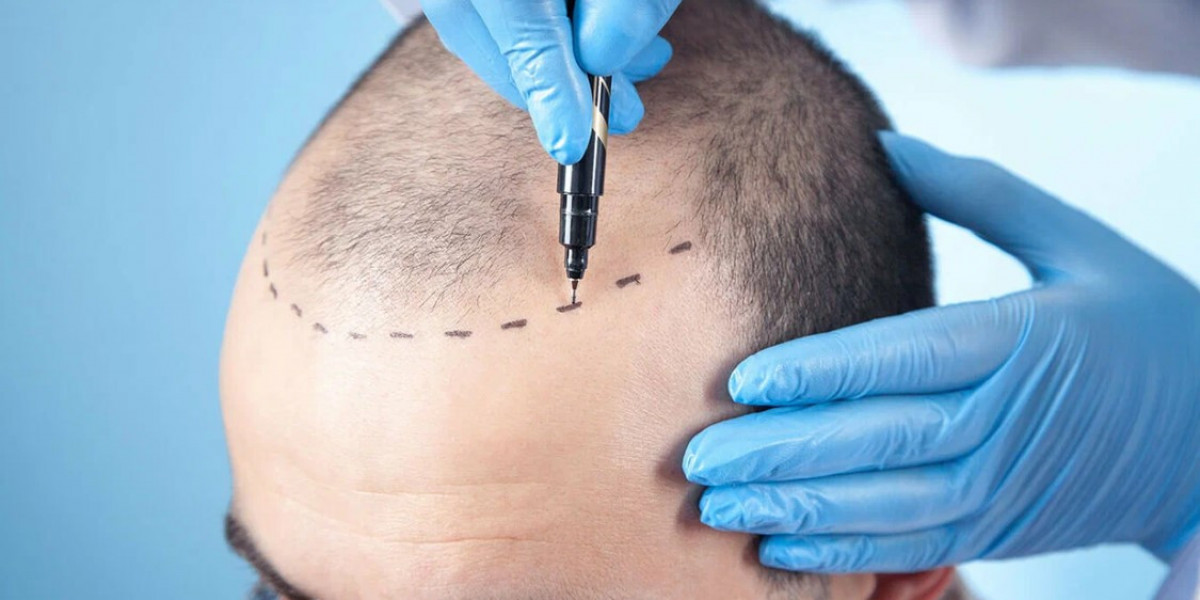

When considering hair restoration in Dammam, understanding the different hair transplant methods available is essential for choosing the most suitable option. Hair transplant technology has advanced significantly over recent years, and clinics in Dammam now offer several modern techniques designed to provide natural‑looking results, minimal scarring, and short recovery times. The most commonly used methods include Follicular Unit Extraction (FUE), Direct Hair Implantation (DHI), Sapphire FUE, and robotic‑assisted FUE. Each technique has its strengths, limitations, and optimal use cases, and comparing them helps patients make smart decisions based on their hair loss pattern, lifestyle, and expectations. Hair transplant in Dammam is becoming an increasingly popular option for people looking for effective and long-lasting solutions to hair loss.
1. Follicular Unit Extraction (FUE)
Follicular Unit Extraction is one of the most widely practiced hair transplant techniques in Dammam and globally. In FUE, individual follicular units — clusters of one to four hair strands — are extracted one by one from the donor area, typically located at the back and sides of the scalp. These units are then implanted into the recipient area where hair is thinning or absent.
A key advantage of FUE is that it does not require a large linear incision, which means minimal visible scarring. The tiny extraction points heal quickly and are usually unnoticeable even with short haircuts. FUE also allows for a natural distribution of grafts, enabling experienced surgeons to mimic natural hairlines and growth patterns.
The procedure is generally comfortable under local anesthesia, and most patients can return to regular activities within a few days. However, because individual follicular units are harvested manually or with small punch tools, the procedure can take longer than older methods and depends heavily on the surgeon’s precision and experience.
2. Direct Hair Implantation (DHI)
Direct Hair Implantation is an evolution of the FUE technique that adds even more control during the placement phase. In DHI, extracted follicles are immediately implanted into the scalp using a specialized tool often called an “implanter pen.” This device allows the surgeon to place hair follicles directly into the scalp without creating recipient incisions beforehand.
The primary advantage of DHI is precision. With the implanter, the surgeon can control the angle, direction, and depth of each follicle, which helps achieve extremely natural results — especially important for hairline design and dense packing. Immediate implantation also reduces the time follicles spend outside the body, which can improve their survival rate.
DHI is often recommended for patients who want high‑density coverage or have specific cosmetic goals for their hairline. The downside is that the procedure can be more time‑intensive and often slightly more expensive than traditional FUE due to the specialized instruments and expertise required.
3. Sapphire FUE
Sapphire FUE is a variation of the traditional FUE method that uses sapphire‑tipped blades to create recipient sites. Sapphire, a gemstone, offers exceptional hardness and smoothness, enabling surgeons to create extremely fine and precise incisions.
The benefit of using sapphire blades is that incisions are cleaner and less traumatic to surrounding tissue, which can result in faster healing and reduced redness post‑surgery. The smoothness of sapphire channels also allows for closer placement of grafts, leading to higher density and a more natural appearance.
Sapphire FUE is particularly effective for patients who want maximum density and a refined hairline. The technique is similar to standard FUE in terms of donor extraction but differs in how recipient sites are created. Many patients find that healing feels slightly gentler with sapphire blades, although the cost may be somewhat higher because of the specialized equipment.
4. Robotic FUE
Robotic‑assisted FUE represents a technological advancement designed to enhance precision and efficiency. Robotic systems equipped with artificial intelligence and high‑resolution imaging help surgeons identify the best follicles for extraction and assist with precise punch placement.
One of the greatest strengths of robotic systems is consistency. Robots can help in maintaining uniform extraction depth and angle, reducing the risk of human fatigue or error during long sessions. This consistency often translates into a higher survival rate of grafts and a more predictable outcome.
Robotic FUE is particularly helpful for patients requiring large numbers of grafts, as it speeds up the extraction process without compromising quality. However, because robotic systems require significant investment in equipment and training, procedures that use them may be more expensive.
5. Comparing Natural Results and Scarring
All modern methods — FUE, DHI, Sapphire FUE, and robotic FUE — aim to produce natural‑looking results, but the degree of precision varies. DHI and robotic FUE offer the greatest control over placement, which can be beneficial for complex hairline designs or areas requiring high density. Sapphire FUE enhances density potential through precise channel creation, while traditional FUE remains reliable and effective for general restoration needs.
In terms of scarring, all these methods are minimally invasive compared with older surgical techniques. FUE, DHI, and sapphire‑based methods result in tiny, dot‑like scars that are usually inconspicuous. Robotic assistance does not change the scarring outcome but improves extraction uniformity.
6. Recovery Time and Comfort
Recovery profiles are similar across all methods, with most patients experiencing mild swelling and redness for a few days. Pain is typically minimal due to local anesthesia. Because DHI and Sapphire FUE involve more refined incisions and placements, some patients report slightly faster healing or less post‑operative irritation, but these differences are generally modest.
7. Cost Considerations
Cost varies depending on the technique, clinic reputation, surgeon experience, and number of grafts required. Traditional FUE is often the most cost‑effective option, while DHI, sapphire‑enhanced techniques, and robotic FUE can be more expensive due to advanced tools and specialized expertise.
Conclusion
Choosing the right hair transplant method in Dammam involves balancing your goals, budget, and personal preferences. Traditional FUE remains a solid choice for many patients due to its reliability and minimal scarring. DHI offers exceptional precision and natural‑looking results, especially for detailed hairline work. Sapphire FUE enhances density and healing while maintaining the benefits of modern extraction techniques. Robotic FUE brings cutting‑edge technology to the table, improving consistency and efficiency.
Consulting with a qualified hair restoration specialist in Dammam is essential to determine which method aligns with your hair loss pattern, expectations, and long‑term goals. With the right technique and professional care, many individuals achieve natural, long‑lasting results that boost confidence and overall satisfaction.