
Designing the perfect outdoor cooking space requires more than a built-in grill and beautiful countertops. Proper outdoor kitchen lighting and ventilation design tips can make the difference between a backyard that looks good and one that truly functions day and night. When you plan carefully, your outdoor kitchen becomes a comfortable, safe, and energy-efficient extension of your home.
At Rnd Builders, we understand how important it is to balance style with functionality. Whether you are building from scratch or upgrading your current space, the right lighting and ventilation strategy will enhance your outdoor cooking experience and increase your property value.
Why Lighting and Ventilation Matter in Outdoor Kitchen Design
An outdoor kitchen is exposed to natural elements, changing weather, and varying daylight conditions. Without proper lighting, cooking in the evening becomes difficult and potentially unsafe. Without effective ventilation, smoke, grease, and odors can accumulate, making your backyard uncomfortable.
Outdoor kitchen lighting ensures visibility, improves safety around grills and prep areas, and creates ambiance for entertaining guests. Ventilation, on the other hand, removes smoke and heat, protects appliances, and maintains fresh air circulation.
By focusing on both elements during the planning stage, you avoid costly changes later and ensure your outdoor kitchen performs efficiently year-round.
Understanding the Basics of Outdoor Kitchen Lighting
Before selecting fixtures, it is important to understand the three primary layers of lighting that every outdoor kitchen should include.
Task lighting is essential for food preparation and cooking. It should be installed above grills, countertops, sinks, and bar areas. Proper task lighting eliminates shadows and allows you to cook safely after sunset.
Ambient lighting provides overall illumination. This can include ceiling-mounted fixtures, recessed lights, or wall-mounted lanterns. Ambient lighting ensures your entire outdoor kitchen area feels bright and welcoming.
Accent lighting enhances architectural features, backsplashes, or landscaping around the kitchen. It adds depth and character while highlighting design elements.
When these three layers work together, your outdoor kitchen lighting design becomes both practical and visually appealing.
Choosing the Right Outdoor Lighting Fixtures
Outdoor lighting must be durable and weather-resistant. Fixtures should be rated for exterior use and capable of handling moisture, wind, and temperature fluctuations.
LED lighting is one of the best choices for outdoor kitchens. It is energy-efficient, long-lasting, and produces minimal heat. LED strip lights can be installed under countertops, along cabinets, or beneath bar seating to create a modern look.
Pendant lights are ideal for covered outdoor kitchens or pergolas. They add style while providing focused light over dining or bar areas. Recessed lighting works well in ceilings and helps maintain a clean, streamlined appearance.
Proper placement is just as important as the type of fixture. Lights should be positioned to eliminate glare and avoid casting shadows on cooking surfaces.
Smart Lighting for Modern Outdoor Kitchens
Technology has transformed outdoor kitchen lighting design. Smart lighting systems allow homeowners to control brightness, color temperature, and schedules using mobile apps.
With dimmable lighting, you can adjust the mood depending on the occasion. Bright lighting works best during cooking, while softer lighting enhances evening gatherings.
Motion sensors are also useful for improving safety and energy efficiency. They automatically turn lights on when someone enters the space and switch them off when the area is not in use.
At Rnd Builders, we often recommend integrating smart lighting systems during the initial build phase to ensure seamless installation and long-term convenience.
The Importance of Ventilation in Outdoor Kitchens
While outdoor kitchens are open to fresh air, ventilation is still critical, especially when the kitchen is covered or partially enclosed. Smoke from grills, wood-fired ovens, and smokers can quickly accumulate under roofs or pergolas.
Without proper ventilation, smoke can stain ceilings, damage finishes, and create an uncomfortable environment for guests. Heat buildup can also affect nearby appliances and cabinetry.
Effective ventilation improves air quality and protects your investment. It ensures that your outdoor kitchen remains comfortable even during extended cooking sessions.
Selecting the Right Vent Hood for Outdoor Use
One of the most important outdoor kitchen ventilation design tips is choosing a vent hood specifically designed for exterior environments. Indoor vent hoods are not built to withstand outdoor elements.
Outdoor-rated vent hoods are constructed with stainless steel and corrosion-resistant materials. They are powerful enough to handle high BTU grills and heavy smoke production.
The size of the vent hood should be slightly larger than the cooking appliance below it. This ensures maximum smoke capture and efficient airflow.
For covered outdoor kitchens, a ducted vent hood that directs smoke away from the structure is highly recommended. Proper duct installation prevents smoke from lingering under the roof.
Designing for Natural Airflow
In addition to mechanical ventilation, natural airflow plays a major role in outdoor kitchen comfort. Positioning your grill and cooking appliances in an area where prevailing winds can carry smoke away from seating areas is a smart design choice.
Open-sided structures allow cross ventilation, which improves air circulation. If your outdoor kitchen includes walls or privacy screens, consider incorporating openings that promote airflow without compromising privacy.
Ceiling fans can also assist with air movement. Outdoor-rated fans help disperse smoke and reduce heat during warmer months.
Combining Lighting and Ventilation for Maximum Efficiency
Lighting and ventilation should not be treated as separate design elements. Both systems must work together to create a safe and enjoyable cooking environment.
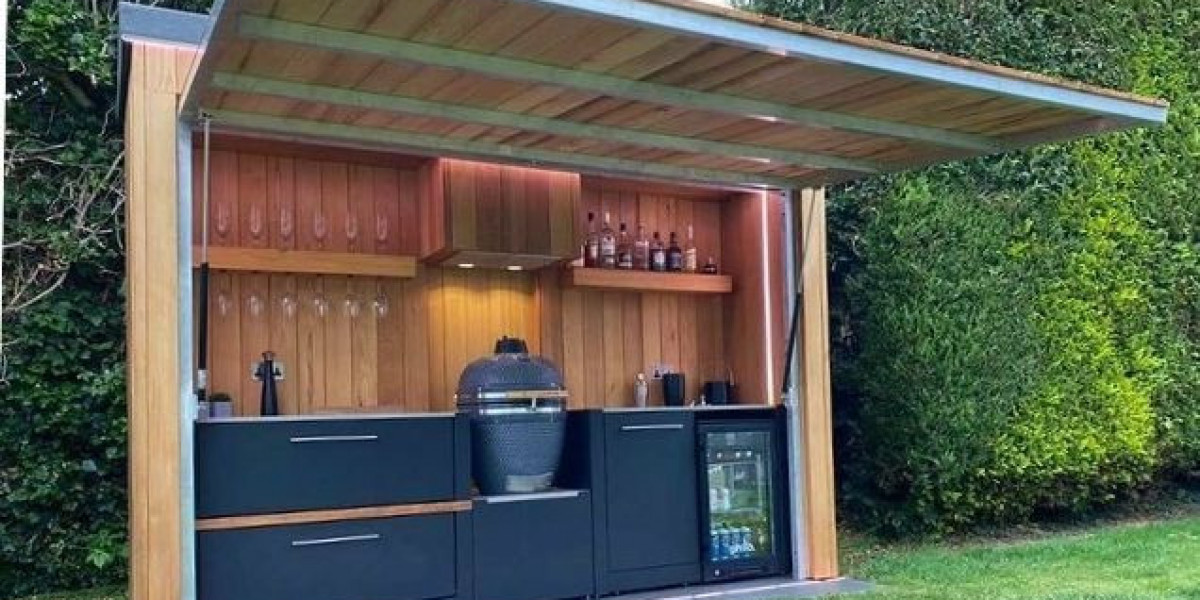
For example, installing lights inside or around the vent hood ensures proper illumination directly over the grill. This eliminates the need for additional fixtures in that area.
Electrical planning is also essential. Wiring for lighting and ventilation should be carefully coordinated during construction to avoid visible cables or inefficient layouts.
When you work with professionals like Rnd Builders, you benefit from a comprehensive approach that integrates all systems seamlessly. You can explore our homepage at https://rndbuildersinc.com/ to learn more about our expertise in outdoor living spaces. If you are planning a dedicated backyard cooking area, visit our outdoor kitchen service page at https://rndbuildersinc.com/outdoors/outdoor-kitchen/ for detailed information on our custom solutions.
Safety Considerations for Outdoor Kitchen Lighting and Ventilation
Safety should always be a priority. All electrical components must be installed according to local building codes. Ground fault circuit interrupter outlets are essential for outdoor areas to prevent electrical hazards.
Vent hoods should be installed at the manufacturer’s recommended height to reduce fire risks. Regular maintenance, including cleaning grease filters and checking electrical connections, keeps your system operating efficiently.
Proper lighting around walkways and steps leading to the outdoor kitchen also reduces the risk of accidents during evening gatherings.
Enhancing Aesthetic Appeal with Strategic Design
Beyond functionality, lighting and ventilation significantly impact the overall look of your outdoor kitchen. Warm white lighting creates a cozy atmosphere, while cooler tones offer a sleek, contemporary feel.
Hidden ventilation systems can preserve a minimalist aesthetic. Custom-built enclosures or decorative covers can help integrate vent hoods into the overall design theme.
By combining architectural style, lighting effects, and well-designed ventilation, your outdoor kitchen becomes a true extension of your home’s personality.
Planning for Long-Term Performance
Outdoor kitchens are long-term investments. Choosing high-quality materials and professional installation ensures durability and efficiency.
Energy-efficient lighting reduces utility costs, while properly sized ventilation systems protect appliances and finishes from smoke damage. Routine inspections and maintenance extend the lifespan of your outdoor kitchen components.
Working with experienced contractors ensures that your outdoor kitchen lighting and ventilation design tips are implemented correctly from the beginning.
Final Thoughts
Outdoor kitchen lighting and ventilation design tips are essential for creating a backyard space that is both beautiful and functional. The right lighting enhances visibility, safety, and ambiance, while proper ventilation ensures comfort and protects your investment.
When thoughtfully designed, your outdoor kitchen becomes a year-round gathering space for family and friends. At Rnd Builders, we specialize in crafting outdoor kitchens that combine smart lighting, efficient ventilation, and custom design solutions tailored to your needs. By focusing on these key elements during the planning stage, you can enjoy a safe, stylish, and high-performing outdoor kitchen for years to come.