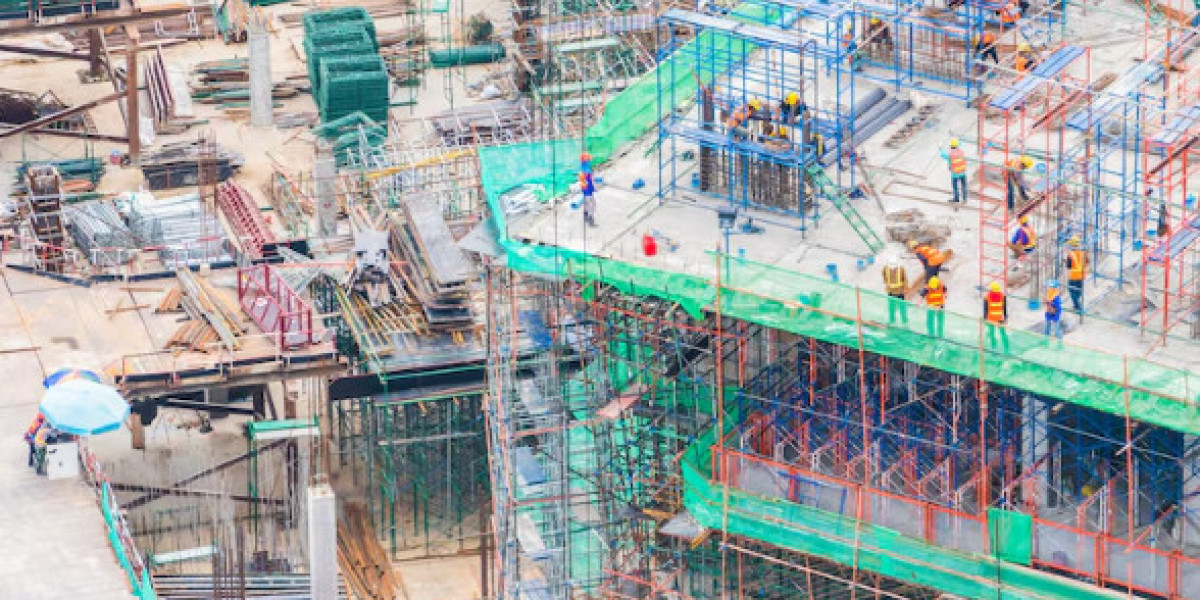

Construction is more than just erecting structures—it is a meticulous process that begins long before the first brick is laid. Central to any successful project is construction site development, a crucial phase that sets the groundwork for efficiency, safety, and sustainability. From planning and clearing to infrastructure setup, this stage ensures that the construction process can proceed smoothly and on schedule.
Understanding Construction Site Development
At its core, construction site development involves preparing a site for building activities. This encompasses several interconnected steps aimed at transforming a raw piece of land into a functional, organized area ready for construction. Effective site development reduces potential delays, minimizes risks, and contributes to cost efficiency.
Site Analysis and Planning
Every successful construction project begins with comprehensive site analysis. Before any physical work begins, engineers, architects, and project managers study the location to assess soil quality, topography, drainage patterns, and environmental factors. This evaluation is critical because poor soil conditions or inadequate drainage can lead to foundation issues and structural problems later on.
Planning also includes zoning and regulatory compliance. Developers must ensure that the project adheres to local building codes, environmental regulations, and safety standards. Obtaining the necessary permits and approvals is essential before any ground-breaking activities begin.
Land Clearing and Grading
Once planning is complete, the site must be cleared of vegetation, debris, and existing structures. This process often involves removing trees, rocks, and other obstacles to create a level and accessible workspace. Land grading follows, which involves shaping the terrain to ensure proper drainage and a stable foundation. Proper grading prevents water accumulation, which can weaken building foundations and increase maintenance costs.
Utility and Infrastructure Setup
Before construction can progress, a construction site needs basic infrastructure. This includes temporary roads, fencing, signage, and storage areas. Providing safe access for workers and machinery is crucial. Utilities such as electricity, water, and sewer systems are also established or connected, allowing construction activities to proceed without interruptions.
Temporary facilities, including site offices, restrooms, and worker accommodations, are often installed during this stage. Proper site logistics, including material storage and equipment staging areas, streamline workflow and prevent congestion on the construction site.
Soil Stabilization and Foundation Preparation
A critical aspect of construction site development is ensuring that the ground can support the weight of the planned structures. Soil stabilization techniques, such as compaction, chemical treatment, or the use of geotextiles, are employed to enhance soil strength. This process reduces the risk of settlement or shifting that can compromise structural integrity.
Following stabilization, excavation and foundation preparation begin. Trenches for footings and basements are dug, and reinforcement materials like steel rebar are installed. A well-prepared foundation is crucial for safety and longevity, as it evenly distributes structural loads and prevents future structural issues.
Environmental Considerations
Modern construction projects increasingly focus on sustainability. Site development practices now integrate environmental protection measures, such as erosion control, sediment management, and preservation of natural habitats. Implementing green construction practices during site development minimizes ecological impact and aligns with community and regulatory expectations.
Stormwater management is another critical environmental concern. Proper drainage systems are designed to handle runoff, prevent flooding, and reduce soil erosion. By addressing these issues early in the construction site development process, projects are better equipped to maintain long-term sustainability.
Safety and Risk Management
A well-organized construction site is a safer construction site. During development, potential hazards are identified, and safety measures are implemented. Clear pathways, secure storage for materials and chemicals, and designated zones for heavy machinery help prevent accidents. Workers receive safety training tailored to site-specific conditions, ensuring adherence to occupational safety standards.
Risk management also includes contingency planning. Unexpected events, such as adverse weather or unforeseen underground obstacles, can delay projects. Having robust plans in place reduces downtime and keeps construction timelines on track.
Technology in Site Development
Technological advancements have revolutionized construction site development. Drones, for example, allow project managers to survey large areas quickly, providing accurate topographical data. GPS and GIS systems assist in precise grading and layout, reducing errors. Additionally, construction management software helps coordinate logistics, track progress, and optimize resource allocation.
By integrating technology, developers can enhance efficiency, reduce costs, and improve the overall quality of construction projects. Innovations like 3D modeling and Building Information Modeling (BIM) allow stakeholders to visualize the site before construction begins, improving planning and decision-making.
Benefits of Proper Site Development
Investing in comprehensive construction site development offers multiple benefits:
- Efficiency: Organized sites streamline workflow, reduce delays, and improve productivity.
- Safety: Clear layouts and safety measures minimize the risk of accidents.
- Cost Savings: Early identification of challenges prevents expensive corrections during later stages.
- Quality Assurance: Proper foundation and soil preparation ensure structural integrity.
- Sustainability: Environmental planning and green practices reduce ecological impact and align with modern construction standards.
Conclusion
Construction site development is the foundation upon which successful projects are built. From planning and analysis to grading, infrastructure setup, and environmental considerations, each step ensures that a construction project starts on the right foot. By prioritizing site development, developers can minimize risks, optimize resources, and deliver safe, sustainable, and high-quality structures.
Every construction project, whether a small residential building or a large commercial complex, benefits from meticulous attention to site development. It is the critical first step that transforms raw land into a platform for innovation, safety, and long-term success. As the construction industry continues to evolve, investing time and resources into effective construction site development will remain a key determinant of project excellence.