
Pregnancy is a time of profound transformation, heightened awareness, and thoughtful decision-making. Among the most frequently asked questions is whether there is a safe way to enjoy wine during pregnancy. As expectations evolve and alcohol-free innovations expand, many mothers-to-be search for responsible alternatives. In this comprehensive guide, we address the facts, clarify misconceptions, and explore modern solutions—including carefully crafted wine for pregnant women—that align with both celebration and safety.
Understanding Alcohol and Pregnancy: The Medical Perspective
Medical authorities across the world maintain a clear position: no amount of alcohol has been proven safe during pregnancy. Alcohol crosses the placenta and enters the baby’s bloodstream. Because a developing fetus cannot metabolize alcohol effectively, even small amounts may interfere with growth and neurological development.
Potential risks include:
Fetal Alcohol Spectrum Disorders (FASDs)
Developmental delays
Low birth weight
Cognitive and behavioral challenges
For this reason, healthcare professionals recommend complete abstinence from alcohol throughout pregnancy.
Why the Confusion Around “Moderation”?
In past decades, mixed messages led to widespread confusion. Some believed that occasional wine consumption posed minimal risk. However, current research does not establish a guaranteed safe threshold.
Modern obstetrics emphasizes precaution. Instead of debating minimal intake, the focus has shifted to safe alternatives that preserve the social and sensory aspects of wine without exposing the baby to alcohol.
This is where premium alcohol-free options—specifically designed as wine for pregnant women—enter the conversation.
What Is Wine for Pregnant Women?
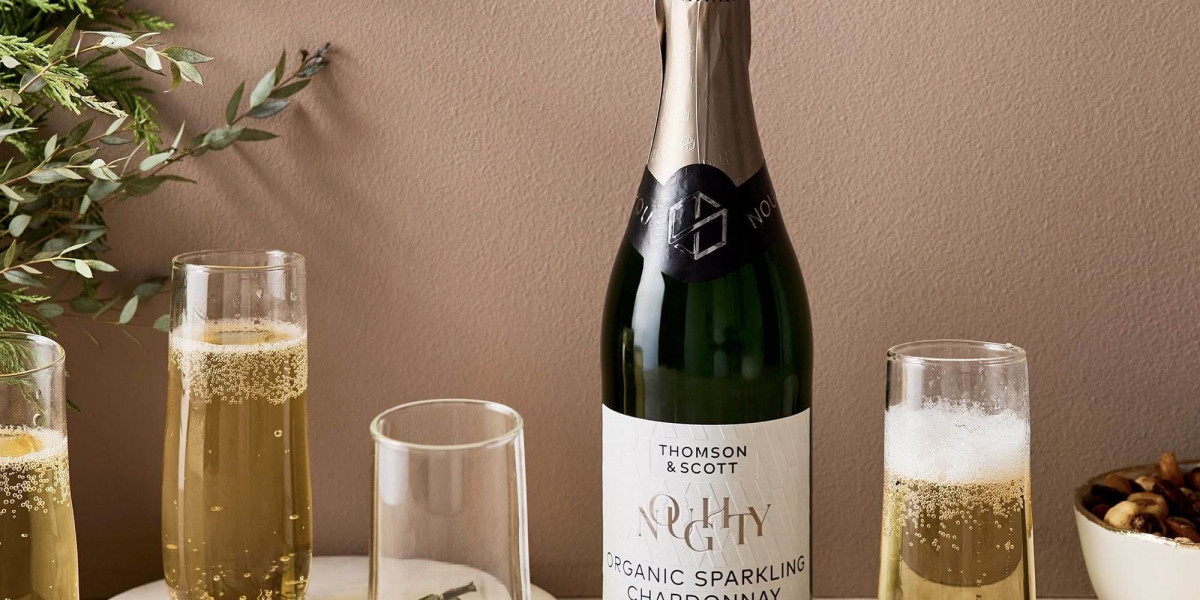
The term wine for pregnant women refers to alcohol-free or dealcoholized wine crafted to mimic the aroma, structure, and flavor of traditional wine—without the alcohol content.
These beverages are typically produced in one of two ways:
1. Dealcoholized Wine
Traditional wine is fermented normally, then alcohol is gently removed through methods such as vacuum distillation or spinning cone technology. This preserves much of the original character.
2. Naturally Alcohol-Free Sparkling or Still Wine Alternatives
Some beverages are crafted to replicate wine profiles using grape must, botanicals, and fermentation-inspired techniques—without ever producing alcohol.
For expectant mothers seeking to enjoy celebrations, these options provide sophistication without compromise.
Is Alcohol-Free Wine Truly Safe During Pregnancy?
Most reputable alcohol-free wines contain 0.0% to 0.5% alcohol by volume (ABV). For context, certain everyday foods such as ripe bananas, fruit juices, and bread may naturally contain trace amounts within this range.
However, it is essential to:
Choose products clearly labeled 0.0% ABV when possible
Consult with your healthcare provider
Avoid beverages with unclear labeling
High-quality wine for pregnant women brands prioritize transparency and strict alcohol removal standards, offering reassurance and peace of mind.
The Emotional Side of Pregnancy and Social Drinking
Pregnancy can sometimes feel socially isolating—especially during holidays, weddings, and gatherings where wine is central to celebration. Holding a thoughtfully crafted glass of wine for pregnant women allows mothers-to-be to participate fully without repeated explanations or discomfort.
Maintaining inclusion and confidence during social events contributes positively to emotional well-being—an equally important aspect of prenatal health.
Nutritional Considerations: Beyond Alcohol
When selecting alcohol-free alternatives, consider more than just ABV:
Sugar Content
Some non-alcoholic wines compensate for alcohol removal by increasing sugar levels. Choose dry or balanced varieties to avoid unnecessary spikes in blood sugar.
Additives and Preservatives
Look for clean-label options with minimal artificial ingredients.
Calorie Count
Alcohol-free wine typically contains fewer calories than traditional wine, making it a lighter option during pregnancy.
Premium wine for pregnant women should prioritize balance, authenticity, and quality ingredients.
Sparkling vs. Still: Choosing the Right Style
Pregnant women often gravitate toward sparkling varieties for celebratory occasions.
Sparkling Alcohol-Free Wine
Crisp acidity
Festive effervescence
Ideal for toasts and milestones
Still Alcohol-Free Wine
Smooth texture
Suitable for pairing with meals
Available in red, white, and rosé styles
Selecting the right type of wine for pregnant women depends on personal taste and occasion.
Pairing Alcohol-Free Wine During Pregnancy
Food pairing enhances enjoyment while supporting balanced nutrition.
With White Alcohol-Free Wine
Pair with:
Grilled fish
Light salads
Soft cheeses
With Alcohol-Free Rosé
Pair with:
Mediterranean dishes
Fresh fruit platters
Light pasta
With Alcohol-Free Red Wine
Pair with:
Mushroom dishes
Lentil-based meals
Roasted vegetables
Thoughtful pairing allows mothers-to-be to enjoy culinary sophistication safely.
Addressing Common Myths About Wine and Pregnancy
Myth 1: “A Small Glass Won’t Hurt.”
There is no established safe limit. Avoiding alcohol eliminates uncertainty.
Myth 2: “Red Wine Is Healthier.”
While red wine contains antioxidants such as resveratrol, alcohol exposure outweighs potential benefits during pregnancy.
Myth 3: “Alcohol Cooks Off Completely in Food.”
Cooking reduces alcohol content but may not eliminate it entirely.
These realities reinforce why specialized wine for pregnant women provides a more responsible solution.
The Rise of Premium Alcohol-Free Wine Brands
The alcohol-free market has transformed dramatically. Today’s producers focus on:
Authentic fermentation before alcohol removal
Organic grape sourcing
Sustainable viticulture
Elegant packaging
Premium options deliver complexity, tannin structure, and refined acidity—far beyond sweet grape juice substitutes.
This evolution ensures that wines for pregnant women feels indulgent, not like a compromise.
Mental Wellness and Mindful Celebration
Pregnancy is both joyful and demanding. Maintaining rituals—such as enjoying a beautifully presented glass at dinner—supports a sense of normalcy and balance.
Alcohol-free alternatives allow women to:
Celebrate milestones
Maintain social traditions
Avoid awkward explanations
Stay aligned with medical guidance
Empowerment comes from informed choice.
When to Speak with Your Healthcare Provider
Every pregnancy is unique. Always consult your obstetrician if:
You accidentally consumed alcohol before realizing you were pregnant
You have concerns about trace alcohol levels
You have gestational diabetes and need sugar guidance
Professional reassurance removes anxiety and supports healthy decision-making.
Final Thoughts:
Pregnancy demands clarity and care. The medical consensus remains firm—avoiding alcohol is the safest approach. Fortunately, modern innovation has created elegant alternatives that honor tradition without risking fetal health.
Premium wine for pregnant women offers an inclusive, refined way to celebrate life’s special moments while prioritizing maternal and baby well-being. With thoughtful selection, attention to labeling, and guidance from healthcare professionals, expectant mothers can raise a glass confidently—embracing both joy and responsibility in equal measure.
Pregnancy is not about restriction; it is about mindful elevation. With the right choices, every toast can remain beautiful, meaningful, and safe.