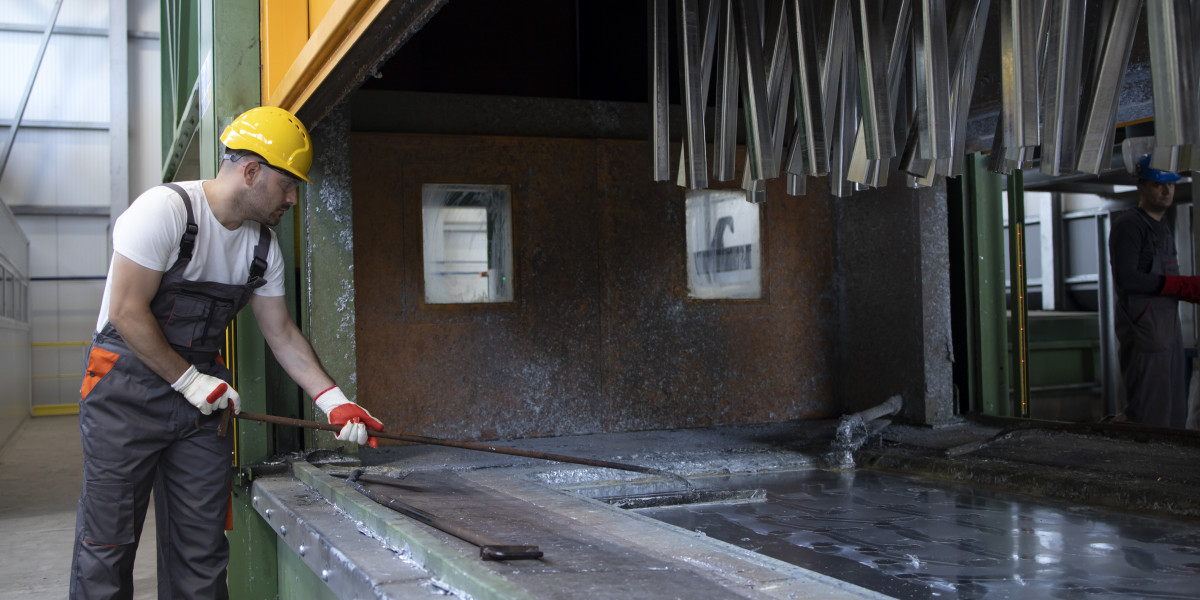

Metal coating has become a critical component of modern industry, architecture, and infrastructure in the United Arab Emirates (UAE). With its harsh environmental conditions, extreme temperatures, and rapid urban growth, the UAE presents unique challenges and opportunities for corrosion protection, surface enhancement, and long-term performance of metal assets. From oil and gas facilities in Abu Dhabi to high-rise buildings in Dubai and industrial steelworks across Sharjah, metal coating solutions have reshaped how metals are used, protected, and maintained.
In this comprehensive article, we explore the significance of metal coating technologies in the UAE, their applications across major sectors, the types of coatings available, regulatory and environmental considerations, and future trends shaping this fast-evolving industry.
What Is Metal Coating and Why It Matters in the UAE
Metal Coating in UAE refers to the application of a protective layer onto a metal surface to improve performance, durability, corrosion resistance, wear resistance, and aesthetic appeal. These coatings can be applied through various methods—such as electroplating, thermal spraying, powder coating, galvanizing, anodizing, and chemical vapor deposition—depending on the functional requirements.
In the UAE, metal coating is not just a value-added service—it's a necessity. The country’s unique environment subjects metal structures to:
High temperatures often above 45°C in summer
Salt-laden corrosion from sea breezes along coastal cities
UV radiation that accelerates degradation of paints and coatings
Heavy industrial use in oil, gas, petrochemical, and infrastructure sectors
Without quality coating systems, metals rapidly deteriorate, leading to increased maintenance costs, safety issues, and reduced service life.
Key Industries Driving Metal Coating Demand in the UAE
Oil & Gas Sector
The oil and gas industry remains one of the largest drivers of metal coating services in the UAE. Steel pipelines, rigs, storage tanks, and offshore platforms require robust protective coatings to prevent corrosion, chemical attacks, and wear from abrasive materials.
Common coating techniques used in this sector include:
Epoxy and polyurethane coatings
Fusion bonded epoxy (FBE) for pipeline protection
Thermal spray metallizing
Metalizing with zinc or aluminum for sacrificial protection
High performance coatings help reduce corrosion under insulation (CUI), extend maintenance cycles, and ensure compliance with international standards like NACE and ISO.
Construction and Architecture
In the UAE’s rapidly expanding urban landscape, metal coating plays an essential role in structural steelworks, façade elements, bridges, and public infrastructure.
Metal elements in buildings are often:
Architectural aluminum or steel, protected with powder coatings or anodizing
Structural steel beams and trusses, primed and painted with corrosion-resistant systems
Exterior metal paneling, coated for enhanced color stability and UV resistance
In addition to protection, coatings contribute to aesthetics, offering a wide palette of finishes that meet modern design standards.
Marine and Offshore Applications
UAE’s strategic location and extensive coastline make marine-grade coatings crucial for ports, docks, ships, and offshore platforms.
Metal coatings for marine environments are specially formulated to resist:
Saltwater corrosion
Fungal and microbial growth
Mechanical abrasion from waves and hauling operations
Marine coatings often include high zinc content primers, barrier coatings, and elastomeric topcoats that withstand extreme weather and sea conditions.
Automotive and Heavy Machinery
Automobile manufacturers, workshops, and heavy equipment suppliers in the UAE rely on advanced metal coatings for long-lasting parts, improved aesthetics, and corrosion control.
Common coating types include:
Powder coating for chassis and exterior parts
Electroplating for decorative and protective finishes
Ceramic coatings for high-temperature components
These coatings improve performance, reduce maintenance costs, and enhance resale value of vehicles and machinery.
Types of Metal Coatings Used in the UAE
Galvanizing
Galvanizing is the process of applying a protective zinc coating to steel or iron to prevent rusting. It is widely used for:
Utility poles
Steel structures
Highway guardrails
Industrial equipment
The zinc layer acts as a sacrificial barrier, corroding before the underlying metal.
Powder Coating
Powder coating is a dry finishing process that produces a durable, thick film. Its key advantages include:
No volatile organic compounds (VOCs)
High resistance to chipping and fading
Uniform finish
It’s ideal for architectural metalwork, furniture, automotive parts, and appliances.
Thermal Spray Coating
Thermal spraying applies metal particles to a surface at high temperatures, forming a protective layer. This technique is essential in industries needing:
Wear resistance
Heat insulation
Corrosion protection of heavy machinery
Common thermal spray materials include tungsten carbide, chromium carbide, and ceramic-metal composites.
Anodizing
Primarily used for aluminum, anodizing enhances surface durability and corrosion resistance through electrochemical oxidation. It’s popular in:
Architectural panels
Consumer electronics
Marine equipment
Anodized surfaces are hard, stable, and ready for coloring.
Electroplating
Electroplating deposits a metal layer (such as chrome, nickel, or copper) onto a substrate through an electrical process. It’s commonly used in:
Automotive trim
Decorative hardware
Aerospace components
This method provides both aesthetic appeal and chemical protection.
Environmental and Regulatory Considerations
The UAE places increasing emphasis on sustainability, environmental safety, and adherence to international standards. Metal coating operations must comply with regulations governing:
VOC emissions
Hazardous waste disposal
Worker safety and chemical handling
Industries trade bodies and government regulators require strict screening of coating materials to ensure they do not contain harmful substances like lead or chromium VI. Many companies in the UAE are now transitioning to eco-friendly coating systems that align with global environmental goals.
Challenges in Metal Coating Across the UAE
Despite its importance, the metal coating industry in the UAE faces several challenges:
Climate Extremes
High temperatures and humidity require specialized coating formulations that can dry uniformly without cracking or peeling.
Skilled Workforce Shortage
Metal coating demands technical precision. Proper surface preparation, skilled application, and quality testing are essential—and often in short supply.
Supply Chain and Material Costs
Fluctuations in global material prices can affect coating costs, especially for high-performance and imported chemicals.
Technological Advancements in Metal Coating
The UAE market is embracing innovations that offer better performance and sustainability:
Nanotechnology-based coatings for enhanced corrosion resistance
Smart coatings that detect damage and self-heal
High solids and low-VOC systems for environmental compliance
Robotic spray application systems for precision and efficiency
These technologies extend service life, reduce maintenance, and align with smart infrastructure goals across the UAE.
Quality Assurance and Industry Standards
To ensure coating systems perform as expected, the UAE industry follows rigorous standards:
ISO 12944 for corrosion protection
ASTM International testing procedures
NACE certifications for surface treatment
Local quality control protocols in industrial zones
Companies often engage third-party inspectors to validate coating thickness, adhesion, salt spray resistance, and surface cleanliness.
How Metal Coating Improves ROI for UAE Businesses
Proper metal coating delivers measurable value:
✔ Reduced corrosion and repair costs
✔ Extended lifespan of structures and equipment
✔ Improved safety and reliability
✔ Enhanced visual appeal for architectural projects
✔ Compliance with international industrial standards
In sectors like oil and gas or marine operations, coating failures can disrupt production or lead to safety hazards. Investing in advanced coating systems reduces risk while improving operational efficiency.
Choosing the Right Metal Coating Provider in the UAE
When selecting a supplier or contractor, businesses should consider:
✅ Industry experience and certifications
✅ Range of coating technologies offered
✅ Quality control and testing facilities
✅ After-sales support and warranty options
✅ Compliance with environmental and safety standards
Reputation matters as much as technical capability, especially for large-scale or critical infrastructure projects.
Future Outlook: Metal Coating in the UAE
The UAE’s commitment to infrastructure development and industrial diversity ensures strong long-term demand for metal coating services. Key trends include:
? Greater use of eco-friendly coating systems
? Integration of smart coatings and IoT monitoring
? Increased automation in application processes
? Focus on workforce training and certification programs
? Wider adoption of life-cycle coating strategies
With mega-projects like Expo districts, metro expansions, energy hubs, and commercial ports, metal coating will remain central to the UAE’s development strategy.
Conclusion
Metal coating in the UAE is far more than surface treatment—it’s a strategic investment that protects infrastructure, enhances performance, and supports industrial growth. Whether safeguarding offshore platforms, beautifying urban architecture, or ensuring machinery longevity, coating technologies play an indispensable role across sectors.
As environmental regulations tighten and technology evolves, businesses that embrace advanced, sustainable coating solutions will gain the competitive edge needed in a dynamic and demanding market.