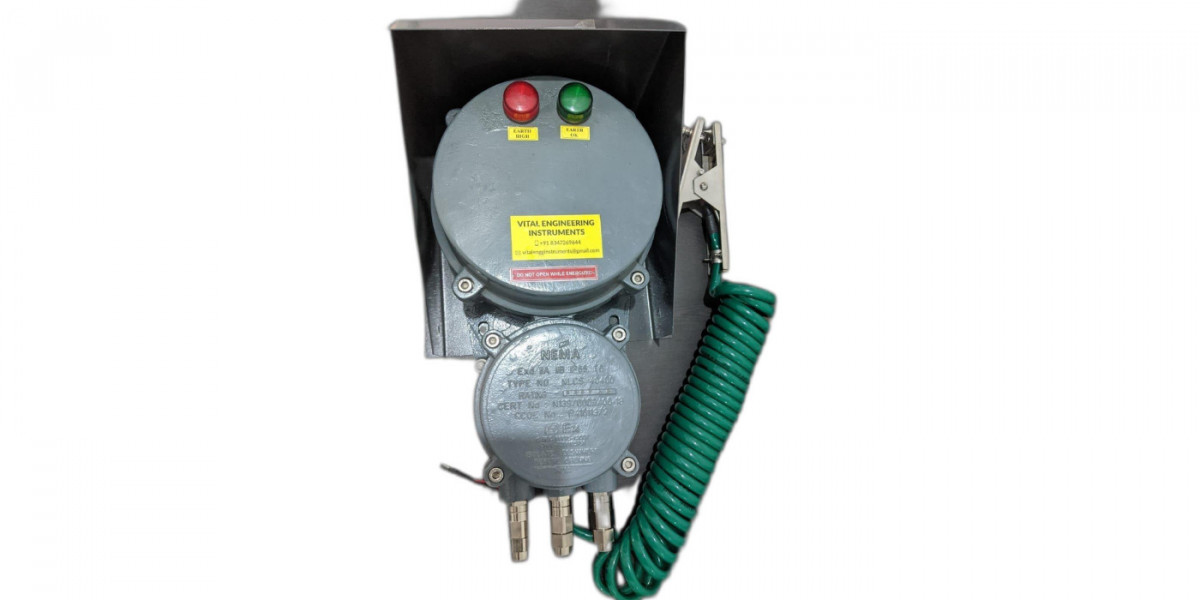

Tanker grounding equipment keeps tanker and vacuum truck operations safe by preventing static sparks during flammable liquid transfer. This article explains how these systems work, the applicable standards, and practical buying guidance for operators in Dubai and the UAE.
TL;DR:
Use verified grounding systems to avoid static ignition during loading and unloading.
Systems like the Earth-Rite MGV verify a ≤1000 Ω earth point then monitor a ≤10 Ω truck-to-ground loop.
Comply with API 2219, NFPA 77, and IEC TS 60079-32 and keep documented records for audits.
Local suppliers such as Al Ghwasa can supply, install, and service MGV systems in Dubai: ghwasa.com/earth-rite/.
What is tanker grounding equipment?
Tanker grounding equipment verifies and maintains a low-resistance path between a tanker and earth to dissipate static electricity. One-sentence definition: Tanker grounding equipment consists of clamps, cables, verification electronics, and interlocks that prove a proven earth and prevent transfer unless a safe ground exists.
Examples include temporary ground rods, manual clamp-and-cable sets, gantry-mounted earthing points, and truck-mounted systems such as the Earth-Rite MGV.
How tanker grounding works
The core idea: confirm a valid earth, then keep the truck and hoses at earth potential for the whole transfer. The process begins when a clamp connects to a verified earth point. The equipment measures resistance to the site earth and then monitors the truck-to-ground loop continuously.
Systems like Newson Gale's Earth-Rite MGV first verify the earthing point (≤1000 Ω) and then enforce a strict truck-to-ground limit (typically ≤10 Ω) with LED indication and pump interlocks. See the manufacturer page for technical details: Newson Gale Earth-Rite MGV and local supply options at Al Ghwasa.
Standards and resistance requirements
Follow recognized standards for safe operations and audits. API 2219 requires vacuum trucks to be grounded to a proven earth before transfer. NFPA 77 gives guidance on static electricity control, and IEC TS 60079-32 covers electrostatic hazards in explosive atmospheres.
Key resistance facts: verification of the earth point up to about 1 kΩ is acceptable for temporary grounds; continuous truck-to-ground monitoring commonly enforces a ≤10 Ω loop during transfers. Regulators and oil majors expect records and interlocked controls to show compliance. For standard references see NFPA 77: nfpa.org (NFPA 77) and API guidance at api.org.
Equipment types and comparison
Operators choose between manual, gantry, and mobile verified systems based on site needs and fleet operations.
Manual clamp and rod: cheap and portable but dependent on correct use; no continuous verification.
Gantry-mounted systems: fixed, reliable for single-site terminals; provide continuous monitoring at the loading point.
Truck-mounted MGV systems: vehicle-integrated, verify temporary earths and provide continuous monitoring and interlocks across many sites.
Insight: truck-mounted verification systems provide the best balance for fleets working at multiple customer sites in Dubai because they combine portability with auditable, continuous monitoring.
Installation, operation and maintenance
Installation typically mounts the monitor in the cab or body and fits a heavy-duty clamp and cable to the truck chassis. The clamp connects to a portable verified earth rod or a site earthing point before transfer begins.
Operators connect the clamp, observe LEDs or HMI for a green verified status, and the system allows pump or transfer controls only when the ground is valid. Maintain by following the manufacturer's inspection schedule, annual calibration of electronics, and pre-shift visual checks of clamps and cables. Most systems can be retrofitted to existing fleets with modest mechanical and electrical work.
Buying, pricing and ROI in Dubai / UAE
Expect unit prices to vary by features, certification, and accessories. Typical turnkey costs for a truck-mounted verified grounding system range from a few thousand to several thousand USD per vehicle depending on options and local installation.
ROI comes from reduced operational delays, fewer manual checks, compliance evidence for audits, and lower incident risk. For supply, installation, and local support in Dubai contact Al Ghwasa: ghwasa.com/earth-rite/. Al Ghwasa lists local installations and can advise on interlocks, hose continuity testers, and verified earth rods.
Summary
Tanker grounding equipment provides a proven, auditable way to prevent static ignition during fuel and chemical transfers. For Dubai fleets, truck-mounted verified systems such as Earth-Rite MGV deliver portability, continuous monitoring, and interlock capability that align with API 2219 and NFPA 77. Contact local suppliers like Al Ghwasa for supply, installation, and service to ensure regulatory compliance and reduce operational risk: ghwasa.com/earth-rite/.
FAQ
What resistance value is required for tanker grounding?
A verified earth point is typically accepted up to about 1 kΩ and the monitored truck-to-ground loop is commonly enforced at ≤10 Ω.
Is bonding the same as grounding?
No. Bonding connects conductive parts together to equalize potential; grounding connects that bonded system to earth to dissipate charge.
Can existing tankers be retrofitted with MGV systems?
Yes. Most truck-mounted grounding monitors retrofit easily; local installers in Dubai can integrate interlocks and wiring with minimal downtime.
How often should grounding systems be tested?
Perform pre-shift visual checks, follow manufacturer annual calibration, and record results for audits and insurer requirements.
Do regulators in the UAE require this equipment?
UAE HSE and oil major contracts typically require compliance with API 2219 and recognized codes; documented, interlocked grounding systems meet those expectations.