
Understanding what is included in sexually transmitted disease testing can sometimes feel confusing. Many people assume that when they ask for a full STD screening, they are automatically checked for everything, including the human papillomavirus. However, the reality is a bit more nuanced. Knowing the difference between a general STD check and specific HPV screening is essential for taking charge of one’s health. This article aims to clarify what these tests cover, how they work, and why HPV is often handled differently than other infections.
Understanding the Basics of STD Testing
What a Standard STD Panel Typically Covers
When someone goes for a routine STD Test Dubai, the healthcare provider usually recommends a panel based on the individual's risk factors and lifestyle. A standard panel commonly includes tests for bacterial infections like chlamydia and gonorrhea, often through a urine sample or swab. It typically also includes a blood test for HIV, syphilis, and sometimes herpes or hepatitis. The goal of this panel is to check for infections that are either very common or have significant health implications if left untreated.
Why Some Infections Are Tested Differently
Not all sexually transmitted infections are diagnosed the same way. Some require a blood sample, while others need a swab from the throat, genitals, or rectum. The type of test also depends on whether the infection is systemic, meaning it affects the whole body, or localized to a specific area. Because of these differences, a single visit might involve collecting multiple types of samples to get a complete picture of one’s sexual health.
The Specifics of HPV and Its Screening Process
What is HPV and How Does It Affect the Body?
Human papillomavirus is the most common sexually transmitted infection globally. There are many different strains of HPV, and they can affect the body in various ways. Some strains cause visible genital warts, while others are considered high-risk because they can lead to cellular changes that might develop into certain types of cancer, such as cervical cancer. In most cases, the immune system clears the virus on its own without any symptoms, but when it persists, it can cause health problems.
How HPV Screening is Performed
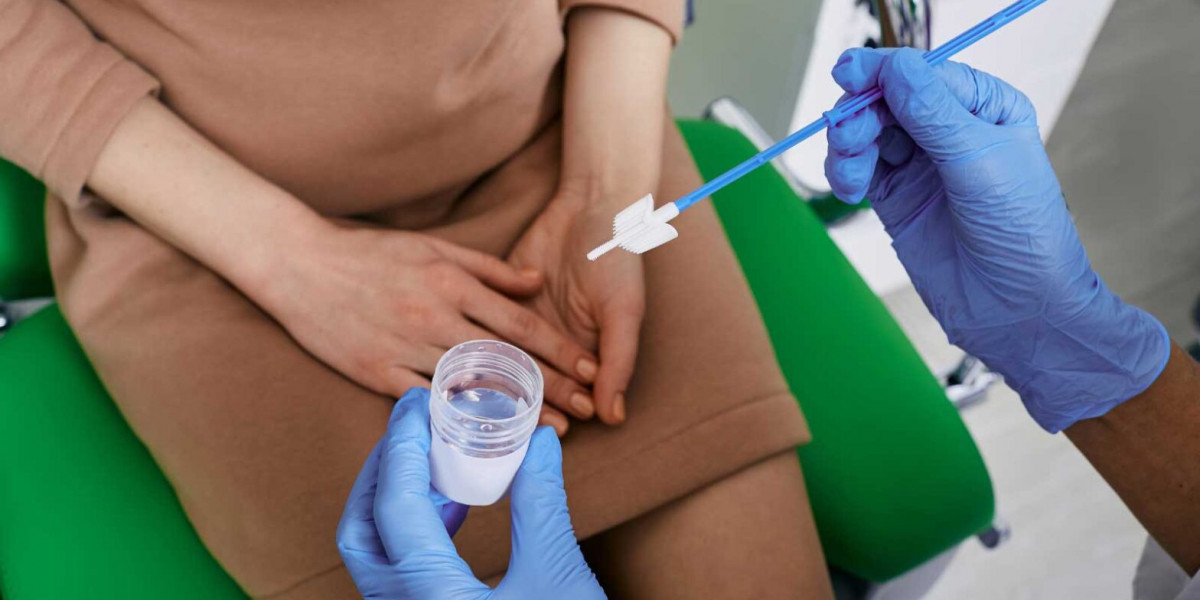
HPV screening is not a standard part of a routine STD blood or urine test. Instead, it is a specific test that is usually done in conjunction with cervical cancer screening. For individuals with a cervix, an HPV test often involves collecting cells from the cervix during a pelvic exam, similar to a Pap smear. The sample is then sent to a lab to check for the presence of high-risk HPV strains that are known to cause cancer. For those without a cervix, there is currently no approved routine screening test for HPV in the throat or anus, though research is ongoing.
Why HPV is Not Included in Standard STD Panels
The Prevalence and Nature of the Virus
HPV is so common that most sexually active people will contract at least one strain at some point in their lives. Because the body usually clears the infection without treatment, testing everyone for HPV during a routine STD check could lead to unnecessary anxiety and overtreatment. Healthcare guidelines focus on screening for high-risk strains in specific populations, like individuals over a certain age, where the virus is more likely to persist and cause cell changes.
Guidelines and Recommendations from Health Authorities
Health organizations have established specific guidelines for HPV testing to balance the benefits of early detection with the risks of over-screening. For example, routine HPV screening is generally recommended starting at age thirty for individuals with a cervix, as infections at younger ages are more likely to resolve on their own. For younger people, a Pap smear might be performed first, and an HPV test is used only if the Pap results are abnormal. This targeted approach ensures that resources are focused on those at the highest risk.
Who Should Consider HPV Screening?
Age and Risk Factors to Discuss
While HPV is not part of a basic STD panel, certain individuals should discuss the possibility of screening with their healthcare provider. Those who are thirty or older, have had abnormal Pap smears in the past, or have a weakened immune system may be candidates for HPV testing. It is also important for individuals with new or multiple sexual partners to have open conversations about their vaccination status and overall risk profile.
The Role of Vaccination in HPV Prevention
Prevention plays a huge role in the fight against HPV. The HPV vaccine is a safe and effective way to protect against the most common high-risk strains and those that cause genital warts. Receiving the vaccine before becoming sexually active offers the best protection, but it can still be beneficial later in life. While the vaccine prevents new infections, it does not treat existing ones, which is why routine screening remains important for those who are eligible.
Common Questions About STD and HPV Testing
What should someone ask their healthcare provider?
When going for a checkup, it is always helpful to be specific about what tests are being performed. Instead of asking for everything, one can ask, Does this test include checking for high-risk HPV? or What infections are we screening for today? This ensures there is no confusion and that the individual understands what results they will receive.
How often should one get tested for STDs?
The frequency of testing depends on lifestyle and risk factors. For sexually active individuals with multiple partners, annual screening for common STDs like chlamydia and gonorrhea is often recommended. HPV screening follows a different schedule, typically every five years for those over thirty when combined with a Pap smear. A healthcare provider can offer personalized advice based on individual history.
Frequently Asked Questions
Is HPV the same as herpes?
No, HPV and herpes are two completely different viruses. HPV can cause genital warts or lead to cellular changes that may result in cancer. Herpes, on the other hand, is a virus that causes periodic outbreaks of blisters or sores. They are transmitted in similar ways, but the symptoms, treatments, and long-term health effects are distinct.
Can a urine test detect HPV?
No, a urine test cannot detect HPV. Unlike chlamydia and gonorrhea, which can sometimes be found in urine, HPV requires a cell sample from the cervix for those with a cervix. For others, there is currently no approved urine or blood test for routine HPV screening.
If someone has an abnormal Pap smear, does that mean they have HPV?
Not necessarily. An abnormal Pap smear means that some cervical cells look different than normal cells. While HPV is a common cause of these changes, other factors like inflammation or infection can also cause abnormal results. If a Pap smear comes back abnormal, a healthcare provider will often order an HPV test to determine if the virus is present.
Can men be tested for HPV?
Currently, there is no routine FDA-approved test for HPV in men. In most cases, HPV in men goes away on its own without causing health problems. If genital warts are present, they can be diagnosed visually by a healthcare provider. Research is ongoing to develop effective screening methods for HPV-related cancers in men.
Does being vaccinated mean someone no longer needs screening?
No, vaccination does not eliminate the need for routine screening. The vaccine protects against the most common high-risk HPV types, but it does not protect against all strains that could potentially cause cancer. For this reason, individuals who are vaccinated should still follow recommended screening guidelines for cervical cancer and HPV testing.
Final Thoughts
Navigating sexual health testing requires a clear understanding of what each test is designed to do. While HPV is a sexually transmitted infection, it is not typically included in a standard STD Test in Dubai because of how common it is and how it affects the body differently than bacterial infections. HPV screening is a specific process aimed at cancer prevention, rather than checking for an active infection that will likely clear on its own. By having open and honest conversations with healthcare providers and staying informed about guidelines, anyone can make confident decisions about their health. Knowing what to expect during a checkup helps remove the guesswork and ensures that the right tests are done at the right time.