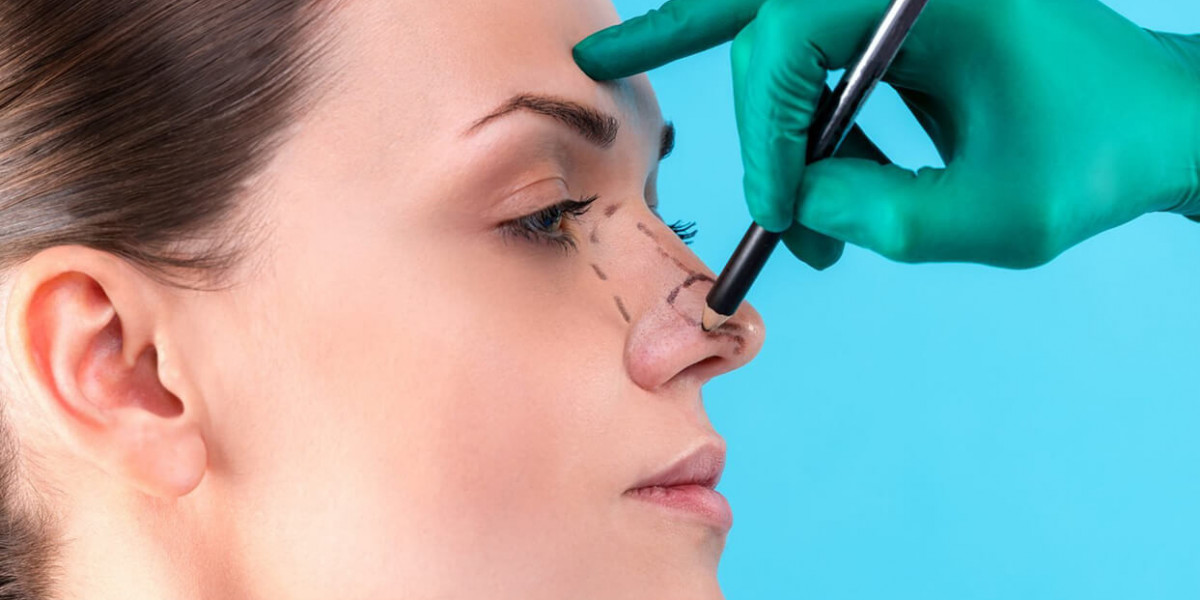

Rhinoplasty, commonly referred to as a “nose job,” is a procedure that can enhance facial harmony, refine nasal contours, and improve breathing function. In Riyadh, rhinoplasty is a popular option among a wide range of age groups, from young adults seeking cosmetic enhancement to older patients looking to address age-related changes or correct previous nasal issues. Age plays a significant role in the planning, execution, and recovery of rhinoplasty, influencing both the approach surgeons take and the outcomes patients can expect. Understanding how age affects rhinoplasty outcomes helps individuals in Riyadh make informed decisions and achieve safe, satisfying results. Rhinoplasty in Riyadh has become increasingly popular as more people seek both aesthetic and functional improvements for their noses.
Adolescent Patients and Early Rhinoplasty
Teenagers and young adults often consider rhinoplasty to address cosmetic concerns such as a prominent nasal hump, asymmetry, or an underdeveloped tip. Surgeons in Riyadh generally recommend waiting until facial growth is nearly complete before performing elective rhinoplasty, typically around 15 to 16 years for girls and 16 to 18 years for boys. Performing surgery too early can interfere with natural nasal growth, potentially causing functional or aesthetic complications later.
In younger patients, the skin is typically thicker and more elastic, which can facilitate smoother healing and subtle contour refinement. However, adolescent patients may have heightened sensitivity to aesthetic outcomes, making realistic expectations crucial. Surgeons often emphasize counseling and preoperative discussions to ensure that the patient’s goals are appropriate for their age and facial development. Functional issues, such as correcting a deviated septum or addressing breathing problems, may be treated earlier if medically necessary, with careful consideration of ongoing nasal growth.
Rhinoplasty in Young Adults
The majority of rhinoplasty patients in Riyadh fall into the young adult category, typically between 20 and 35 years old. At this stage, the nasal structure is fully developed, allowing for more precise and predictable surgical outcomes. Skin elasticity is generally optimal, facilitating smoother contouring and less noticeable post-operative irregularities. Younger adults often recover faster than older patients, with swelling and bruising resolving more quickly.
This age group also tends to prioritize aesthetic refinements and minor reshaping, such as tip rotation, bridge reduction, or subtle narrowing of the nostrils. Surgeons can employ both open and closed techniques effectively, tailoring the approach based on the patient’s goals and anatomical considerations. Younger adults are typically good candidates for non-invasive adjunct treatments as well, such as dermal fillers for minor adjustments, which can complement surgical results or provide temporary alternatives before committing to surgery.
Middle-Aged Patients and Age-Related Considerations
For patients in their 40s and 50s, rhinoplasty in Riyadh may involve addressing both cosmetic and functional concerns. With age, nasal skin may lose some elasticity, the tip may droop, and changes in cartilage strength may affect the nasal shape. These factors require careful surgical planning, as the skin may not redrape as smoothly over newly contoured cartilage. Surgeons may employ techniques to reinforce the tip or use cartilage grafts to ensure structural stability and maintain long-term results.
Middle-aged patients may also seek rhinoplasty to correct issues caused by previous surgeries or trauma. Revision rhinoplasty in this age group can be more complex due to scar tissue, previous grafts, or altered anatomy. Despite these challenges, experienced surgeons in Riyadh can achieve excellent outcomes with careful preoperative planning and customized techniques. Functional concerns, such as nasal obstruction, often become more prominent with age and may be addressed simultaneously to improve both breathing and appearance.
Older Adults and Rhinoplasty Outcomes
Patients over 60 are increasingly exploring rhinoplasty in Riyadh, though certain considerations are critical. Aging skin is thinner, less elastic, and more prone to slower healing, which may affect both cosmetic refinement and recovery time. Cartilage and bone may also weaken, necessitating additional support with grafts to maintain structural integrity. Surgeons must assess the patient’s overall health, including cardiovascular and respiratory conditions, before recommending surgery.