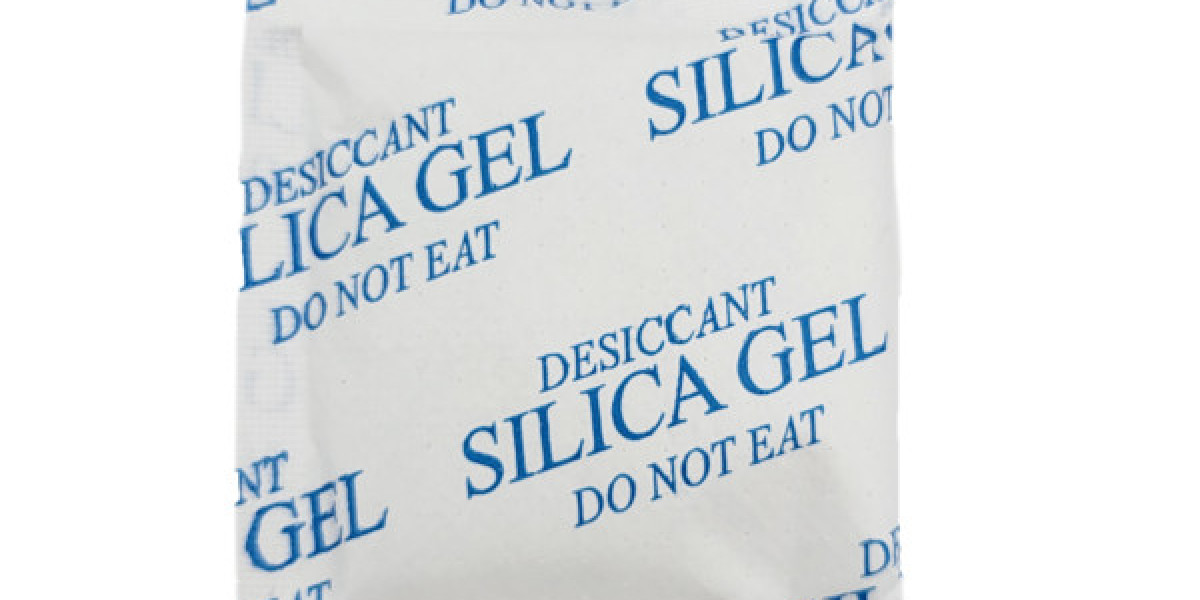

Silica-gel desiccants are widely recognised for their effectiveness in controlling moisture and preserving various items. Made from silicon dioxide, these granules are designed with a porous structure, enabling them to capture water vapour from the surrounding environment efficiently. Their ability to reduce humidity levels makes them indispensable across numerous industries, ensuring the protection of goods from moisture-related damage. From safeguarding food and pharmaceuticals to protecting delicate electronics and textiles, Silica Gel serves as a reliable tool in maintaining the quality and longevity of products. Additionally, its reusable nature adds to its practicality, allowing it to be reactivated and used repeatedly. By exploring the diverse applications and properties of Silica-Gel desiccants, it becomes clear why they remain a crucial component in effective moisture management across both industrial and everyday contexts.
Understanding Silica-Gel Desiccants
Silica-gel desiccants function through the process of adsorption, where moisture adheres to their surface without undergoing a physical transformation. This is facilitated by their intricate porous structure, which provides an extensive surface area for moisture capture. Composed of silicon dioxide, Silica-Gel is chemically inert and capable of maintaining its structure even after moisture absorption. This makes it highly effective in reducing humidity in confined spaces.
The desiccant's efficiency is further enhanced by its capacity for reactivation, which involves removing absorbed moisture through controlled heating. This reusability offers a sustainable approach to moisture control. Due to its non-toxic nature, Silica-Gel is widely employed in industries and households for preserving a variety of items, from sensitive electronics to food and textiles. Its ability to function without altering its composition underscores its practicality and reliability in moisture management.
Applications in Food Packaging
Silica-Gel is extensively utilised in food packaging to maintain product quality by controlling moisture levels. Moisture within packaging can lead to mould growth, altered textures, and spoilage of food items. Silica-Gel packets are incorporated into packaging to effectively absorb water vapour, thereby creating a dry environment that supports product preservation. These desiccants are particularly advantageous for packaged snacks, dried foods, and other moisture-sensitive consumables.
Food-grade Silica-Gel, which complies with safety regulations, is commonly employed for such purposes to ensure the desiccant does not pose any risks. By minimising the effects of humidity, Silica-Gel contributes to extending the shelf life of food products, reducing the likelihood of waste. Its inclusion in packaging supports the maintenance of original flavours, textures, and overall freshness throughout storage and distribution.
Use of Silica Gel Desiccant in Pharmaceuticals
Silica-Gel plays an essential role in safeguarding pharmaceutical products from the effects of moisture. Many medications, particularly tablets and capsules, are susceptible to degradation when exposed to humidity, which can compromise their stability and efficacy. To address this, silica gel desiccant is commonly integrated into pharmaceutical packaging to absorb excess moisture.
By maintaining a controlled environment within the packaging, these desiccants help preserve the chemical composition and potency of medications over their intended shelf life. This moisture control is particularly critical for pharmaceuticals stored in regions with high humidity levels or during transportation, where temperature fluctuations may occur.
The use of Silica-Gel in this context ensures that medicines remain effective, aiding in the preservation of their intended therapeutic properties and supporting the delivery of safe and reliable healthcare products.
Electronics and Silica-Gel
Moisture can pose significant risks to electronic devices, potentially causing corrosion, short circuits, or reduced functionality. Silica-Gel is frequently utilised in the packaging and storage of electronics to mitigate such issues by absorbing excess moisture from the surrounding environment. This desiccant is particularly effective in creating a stable, dry atmosphere during storage and transportation, where fluctuations in temperature and humidity are common.
By preventing the accumulation of moisture, Silica-Gel contributes to maintaining the operational integrity and longevity of sensitive electronic components. Careful placement of Silica-Gel packets within storage containers or protective cases ensures optimal effectiveness while minimising the risk of direct contact with device surfaces. The use of Silica-Gel in electronics highlights its essential role in safeguarding valuable equipment from the adverse effects of humidity and related environmental factors.
Silica-Gel in Clothing and Textiles
Silica-Gel serves as an effective means of managing moisture in clothing and textile storage, helping to prevent damage caused by damp conditions. Excess humidity can lead to issues such as mould, mildew, and unpleasant odours, which compromise the quality and appearance of fabrics. By placing Silica-Gel packets in storage containers, wardrobes, or packaging, it is possible to maintain optimal dryness, protecting textiles from degradation. This method is particularly useful for safeguarding seasonal garments, delicate fabrics, and heirloom items that require long-term preservation.
Silica-Gel helps retain the structural integrity, colours, and textures of textiles, ensuring that they remain in excellent condition over time. Its non-toxic and reusable properties enhance its practicality, making it a reliable solution for protecting valuable and everyday clothing items alike from the adverse effects of moisture.
Automotive Applications
Silica-Gel plays an important role in preventing moisture-related problems within vehicles, ensuring the preservation of both mechanical and electronic components. It is often placed in areas susceptible to condensation, such as interior storage compartments, to absorb excess humidity. Additionally, Silica-Gel is utilised during the manufacturing and shipping of automotive parts to protect sensitive elements from exposure to damp conditions.
Moisture can contribute to the corrosion of metal components and the malfunctioning of electrical systems, making effective moisture management essential in this sector. By helping to maintain a dry environment, Silica-Gel supports the durability and reliability of various automotive elements, such as wiring, sensors, and other precision parts. Its versatility and reusability further enhance its value, offering a practical solution for addressing moisture issues in vehicles across diverse conditions and climates.
Household Uses
Silica-Gel proves valuable for addressing moisture control in domestic environments. It is commonly utilised to prevent dampness and odours in storage spaces such as wardrobes, drawers, and cupboards. In addition, it helps protect items like important documents, leather goods, and photographs from humidity, preserving their quality over time. Silica-Gel can also assist in maintaining the condition of shoes and bags during storage by absorbing excess moisture that might otherwise lead to mould or deterioration.
Its adaptability extends to unexpected uses, such as aiding in the drying process of small, water-exposed items. The reusable nature of Silica-Gel enhances its practicality, offering an efficient solution for managing moisture-related issues across various household applications.
Silica-Gel and Photography Equipment
Silica-Gel plays a significant role in preserving photography equipment by managing moisture levels that could otherwise lead to damage. Cameras, lenses, and other photographic accessories are often sensitive to humidity, which may result in condensation, mould, or corrosion. Silica-Gel is commonly placed within camera bags, storage cases, or near equipment to create a controlled, dry environment. This preventative measure is especially critical during storage in humid conditions or when transitioning between varying temperatures.
By absorbing excess moisture, Silica-Gel helps maintain the performance and longevity of photographic tools. Its compact form and ease of use make it an effective solution for minimising moisture-related risks in the care of delicate and valuable photographic equipment.
Environmental Impact of Silica-Gel
Silica-Gel's environmental impact is minimal due to its chemical stability and non-toxic nature. It can be reused multiple times through reactivation, which involves heating to remove absorbed moisture. This reusability reduces waste and promotes sustainable practices in moisture control. Proper disposal is necessary to avoid environmental contamination, and adherence to local guidelines ensures responsible handling.
Compared to other desiccants, Silica-Gel's inert properties minimise its ecological footprint. Its durability and the possibility of regeneration make it an efficient choice for reducing single-use materials in industrial and household applications. When managed correctly, Silica-Gel contributes to environmentally conscious practices while maintaining its effectiveness in diverse applications, demonstrating its practicality alongside its low environmental impact.
Comparison with Other Desiccants
Silica-Gel offers unique advantages over other desiccants due to its ability to absorb significant amounts of moisture while maintaining its solid form. Unlike calcium chloride, which can dissolve into a liquid when saturated, Silica-Gel retains its structure, ensuring ease of handling and placement. Its chemically inert nature makes it suitable for a broader range of applications compared to desiccants like activated clay, which may be less effective in extreme humidity conditions.
Silica-Gel's capacity for reactivation through heating provides an economic and sustainable solution, extending its usability across multiple cycles. Additionally, its non-toxic and odourless properties make it a safer choice for use in environments requiring strict control, such as food packaging and pharmaceutical preservation.
Storing and Reactivating Silica-Gel
Proper maintenance ensures the continued effectiveness of Silica-Gel. It should be stored in sealed, airtight containers to prevent exposure to ambient moisture. When saturated, it can be reactivated by heating at temperatures between 120°C and 150°C, which removes absorbed water vapour. This process restores its moisture-adsorbing capabilities, enabling repeated use.
Reactivation should be conducted carefully to avoid damaging the material. By following these methods, Silica-Gel remains a reliable tool for moisture control across various applications.
Conclusion
In 2026, Silica Gel remains a cornerstone of Australian moisture management, particularly as the nation navigates increasingly volatile climate patterns. From protecting sensitive mining equipment in the humid tropics of Queensland to preserving archival documents in the temperate south, its adsorption capabilities are unparalleled. As Australia moves toward more sustainable industrial practices, the ability to reactivate Silica-Gel aligns perfectly with national waste reduction targets. Whether used in high-tech pharmaceutical logistics or simple household storage, Silica-Gel provides a reliable, non-toxic, and economically viable solution for safeguarding the structural and functional integrity of essential goods across the entire Australian continent.
Frequently Asked Questions
How does the adsorption process work in silica gel?
Unlike absorption, where a substance is taken into the body of another, silica gel works via adsorption. This means water molecules physically adhere to the vast network of microscopic pores on the surface of the silicon dioxide granules. This surface area is so immense that just one gram of Silica-Gel can have a surface area of several hundred square metres. In the context of Australian storage, this allows the beads to pull moisture from the air until they reach saturation, all while remaining completely dry to the touch, which prevents any liquid damage to the surrounding items.
What are the different types of indicating Silica-Gel available in Australia?
In Australia, you will commonly find three types of Silica-Gel: non-indicating (white), blue-indicating, and orange-indicating. Blue-indicating Silica-Gel contains cobalt chloride, which turns pink when saturated; however, due to health regulations, its use is declining in 2026. Orange-indicating Silica-Gel is the preferred "safe" alternative in Australia, using methyl violet to transition from orange to dark green or colourless when it has reached its moisture capacity. Non-indicating white Silica-Gel is the standard for food and pharmaceutical applications where chemical dyes are not permitted, requiring weight-based monitoring or separate humidity cards to check for saturation.
Can I reactivate Silica-Gel in a standard Australian domestic oven?
Yes, Silica-Gel is highly prized for its reusability. To reactivate it, you should spread the beads on a baking tray and heat them in an oven at approximately 120°C to 150°C for one to two hours. This temperature is sufficient to drive off the adsorbed water vapour without melting the granules or damaging indicating dyes. In Australia, it is recommended to avoid using a microwave unless the specific product instructions allow for it, as uneven heating can cause the beads to fracture. Once the beads return to their original colour (for indicating types), they should be cooled in an airtight container before being returned to service.
Is Silica-Gel safe for use with Australian export food products?
Silica-Gel is considered "Generally Recognised as Safe" (GRAS) by international authorities and is widely used in the Australian food export industry. For food applications, the gel must be "food-grade" and encased in Tyvek or high-density paper packets that prevent the beads from leaking. It is commonly found in packets of Australian beef jerky, dried fruits, and vitamin bottles to prevent spoilage and clumping. While the gel itself is non-toxic if accidentally ingested—as it is chemically inert—the main risk is a choking hazard. This is why Australian packaging is always clearly marked with "Do Not Eat" warnings in accordance with food safety standards.
How much Silica-Gel is required for effective moisture control in a storage container?
The amount required depends on the volume of the space and the airtightness of the container. As a general rule for Australian conditions, approximately 170 grams of Silica-Gel is needed for every cubic foot of volume (about 0.028 cubic metres). For a standard Australian shipping container used for storage, significantly larger desiccant poles or bags are required to combat "container rain"—a phenomenon where temperature drops cause condensation to pour off the ceiling. Ensuring the container is properly sealed is vital; if the container is not airtight, the Silica-Gel will quickly saturate by trying to "dry out" the entire Australian atmosphere.
Related Business Listings |