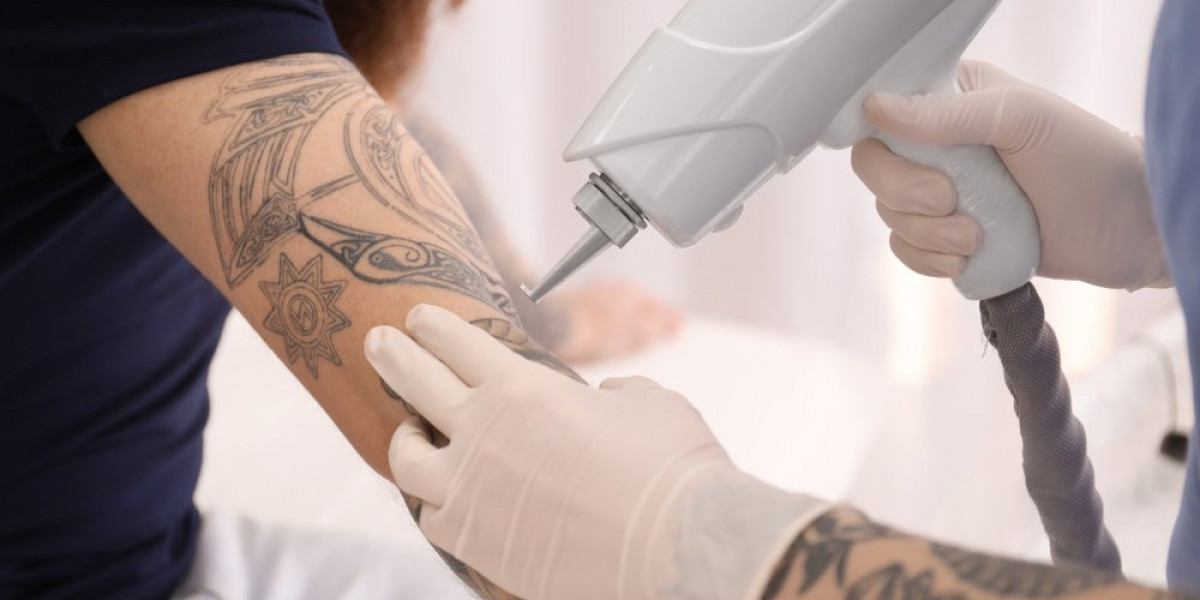
Permanent tattoo removal is a carefully controlled procedure that uses advanced laser technology to break down tattoo pigments in the skin. While the treatment itself is important for achieving optimal results, proper aftercare following each session is equally crucial. In Riyadh, individuals seeking tattoo removal must understand how to care for treated skin to promote healing, prevent complications, and maximize the effectiveness of the removal process. Permanent tattoo removal in Riyadh offers advanced solutions for safely reducing unwanted tattoos while supporting healthy skin recovery.
Immediate Care After a Session
Right after a tattoo removal session, the treated area may appear red, swollen, and tender, similar to a mild sunburn. Some patients may experience blistering or minor oozing, which are normal responses as the skin begins the healing process. To care for the area immediately after treatment:
Clean the area gently with lukewarm water and a mild, fragrance-free soap. Avoid scrubbing or using abrasive materials.
Apply a thin layer of prescribed ointment or healing cream recommended by the practitioner to keep the area moist and promote recovery.
Avoid covering the area with tight clothing that may rub or irritate the skin. Loose, breathable fabrics are preferable.
Refrain from touching or scratching the treated area, even if it becomes itchy, to reduce the risk of infection or scarring.
Managing Swelling and Discomfort
Swelling and tenderness are common for the first 24 to 48 hours. To minimize discomfort:
Use cool compresses or ice packs wrapped in a clean cloth to soothe the area for short periods.
Avoid hot showers or baths immediately after the session, as heat can worsen swelling.
Take over-the-counter pain relievers such as acetaminophen if recommended by the practitioner, but avoid medications like aspirin that can increase the risk of bruising.
Caring for Blisters and Scabs
Blistering and scabbing are natural parts of the healing process. Blisters occur when the laser energy causes the skin to respond to the pigment breakdown. Scabs form as the skin protects itself while the body removes broken-down ink particles. Proper care includes:
Do not pop or pick at blisters and scabs, as this can cause infection, delayed healing, or scarring.
Keep the area clean and dry, gently patting it after washing rather than rubbing.
Apply recommended healing ointments to prevent excessive dryness and promote smooth healing.
Avoid adhesive bandages on the area unless specifically instructed, as they can interfere with natural healing.
Protecting Treated Skin from Sun Exposure
After laser tattoo removal, the treated skin becomes highly sensitive to ultraviolet (UV) radiation. Sun exposure can increase the risk of pigmentation changes and slow healing. Effective sun protection includes:
Avoiding direct sunlight on the treated area until fully healed.
Wearing protective clothing or covering the area when outdoors.
Applying a broad-spectrum sunscreen with SPF 30 or higher once the skin has fully healed enough to tolerate topical products.
Maintaining Skin Hydration
Keeping the treated area moisturized helps reduce dryness, itching, and irritation. Using fragrance-free, gentle moisturizers or healing ointments recommended by the practitioner is important. Overly thick or scented creams should be avoided, as they can irritate sensitive skin. Regular hydration supports healthy skin regeneration and can improve the appearance of treated areas as healing progresses.
Avoiding Friction and Irritation
Friction and pressure on the treated skin can slow healing and potentially cause scarring. Patients should:
Avoid tight clothing, straps, or jewelry that rub against the treated area.
Be cautious during physical activities that may cause friction, such as exercise or contact sports.
Keep treated areas free from excessive moisture from sweating, hot tubs, or swimming pools during the initial healing phase.
Monitoring for Signs of Infection or Complications
Although rare, infections and other complications can occur if aftercare is not properly followed. Patients should be vigilant for:
Increased redness, warmth, or swelling beyond normal levels
Pus or foul-smelling discharge from the treated area
Severe pain or prolonged tenderness
Unusual skin reactions such as hives or rash
If any of these signs appear, it is important to contact the practitioner immediately to address potential infections or other complications.
Timing Between Sessions
Laser tattoo removal is typically performed over multiple sessions spaced several weeks apart. Proper aftercare ensures the skin has fully recovered before the next session. Rushing treatments or neglecting healing can increase the risk of scarring, pigmentation changes, and poor fading results. Patients should follow their practitioner’s recommendations for the interval between sessions to achieve the best outcomes.
Final Thoughts
Aftercare following permanent tattoo removal sessions is essential for safe and effective results. From gentle cleaning and moisturizing to sun protection and careful monitoring of healing, every step contributes to optimal skin recovery and improved fading of the tattoo. Patients in Riyadh who adhere to aftercare instructions, protect sensitive areas, and maintain patience throughout the healing process are more likely to achieve successful and lasting results.