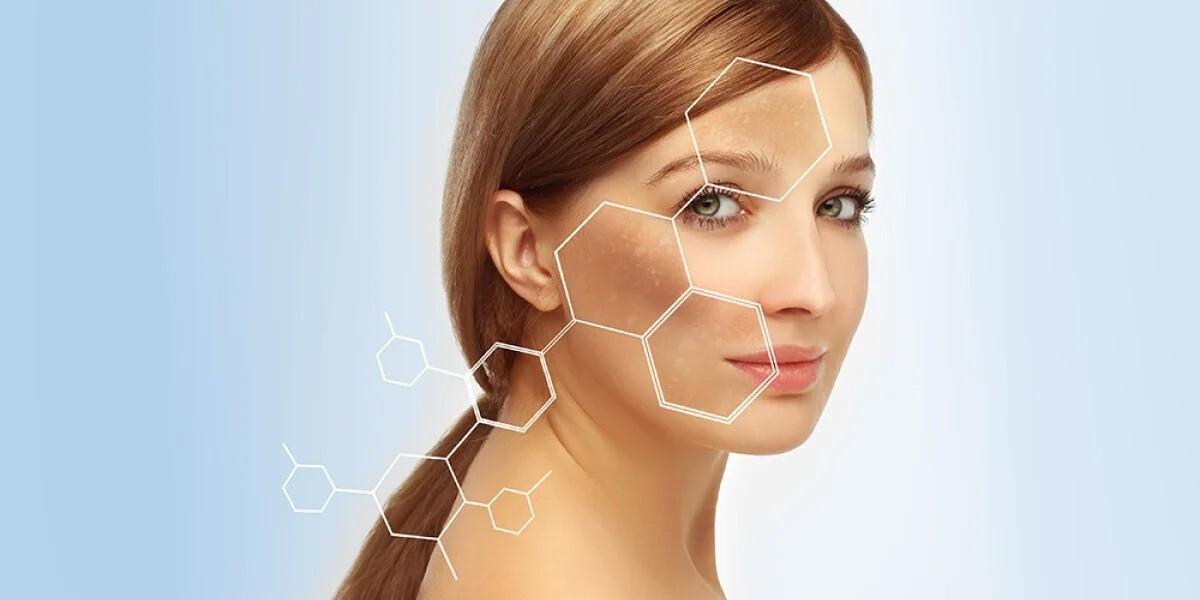

Melasma is a common skin condition that causes dark, irregular patches on the face. It often affects areas exposed to sunlight, such as the cheeks, forehead, nose, and upper lip. While melasma is not harmful, it can impact confidence and self-esteem. Fortunately, with proper diagnosis and targeted treatments, this stubborn pigmentation can be effectively managed.
Many people consult dermatology clinics for Melasma in Islamabad to access specialized care and advanced treatment options for clearer skin.
Understanding Melasma:
Melasma is a type of hyperpigmentation caused by overproduction of melanin, the pigment responsible for skin color. When melanocytes produce excess melanin, it accumulates in certain areas, leading to visible dark patches.
Although sun exposure and hormonal changes are the most common triggers, genetics, stress, certain medications, and skincare irritants can also contribute. Recognizing these factors is essential for effective management.
Symptoms and Types of Melasma:
Melasma typically presents as flat, symmetrical dark patches on the face. It does not cause pain or discomfort, but its cosmetic effect can be concerning.
Common Symptoms:
Dark patches on cheeks, forehead, nose, or upper lip
Symmetrical appearance on both sides of the face
Gradual darkening over time
Worsening with sun exposure
Types of Melasma:
Epidermal Melasma: Affects the top layer of skin; responds well to treatment
Dermal Melasma: Pigmentation lies deeper; harder to treat
Mixed Melasma: Combination of epidermal and dermal layers
Understanding the type of melasma is crucial for selecting the most effective treatment method.
How Melasma Is Diagnosed:
Diagnosis is primarily done by a dermatologist through a visual examination. In some cases, a Wood’s lamp may be used to determine pigment depth. Accurate diagnosis ensures that the treatment plan is both safe and effective, reducing the risk of side effects.
During consultation, dermatologists also review the patient’s medical history, hormonal status, lifestyle, and sun exposure habits to identify potential triggers. This holistic approach helps in creating a customized treatment plan.
Treatment Options for Melasma:
Treating melasma requires a combination of professional procedures, topical treatments, and preventive measures. The right approach depends on skin type, pigmentation severity, and individual goals.
Topical Treatments:
Prescription creams containing hydroquinone, retinoids, azelaic acid, or kojic acid are widely used. They work gradually to lighten dark patches and even out skin tone.
Chemical Peels:
Chemical peels exfoliate the outer skin layer, reducing pigmentation and improving skin texture. Superficial to medium-depth peels are often recommended based on skin type and severity of melasma.
Laser and Light Therapies:
Laser treatments target melanin deposits deep within the skin. Non-ablative lasers, fractional lasers, and Q-switched lasers can be effective depending on the patient’s pigmentation type. Skilled dermatologists ensure these treatments are safe and provide optimal results.
Cost Considerations:
The cost of melasma treatment depends on the method used, the number of sessions required, and the severity of pigmentation. Understanding the Melasma cost in Islamabad helps patients plan their treatment sessions and budget accordingly.
Preventive Measures:
Prevention is essential to minimize recurrence of melasma:
Apply broad-spectrum sunscreen daily, even indoors
Wear protective clothing and hats outdoors
Avoid harsh or irritating skincare products
Maintain a gentle, consistent skincare routine
Follow your dermatologist’s aftercare instructions
These measures help protect the skin from UV damage, environmental stressors, and other triggers that can worsen pigmentation.
Lifestyle Factors That Influence Melasma:
Certain lifestyle habits can influence the development or worsening of melasma. Stress management, adequate hydration, balanced diet, and avoiding excessive sun exposure can support treatment outcomes. Using non-comedogenic and gentle skincare products helps reduce irritation, which can exacerbate pigmentation.
Combining professional treatment with a healthy lifestyle significantly improves the chances of achieving clear, even-toned skin.
Why Professional Care Is Important:
Over-the-counter remedies and home treatments may provide temporary improvement, but professional care is essential for long-lasting results. A qualified dermatologist can:
Accurately determine the type and severity of melasma
Recommend safe and effective treatment options
Monitor progress to prevent side effects or recurrence
Provide ongoing maintenance therapy to sustain results
For those seeking trusted and effective melasma treatments, Royal cosmetic surgery clinic offers advanced procedures and expert guidance for all skin types.
Final Thoughts:
Melasma is a persistent skin condition, but with early diagnosis, professional treatment, and consistent preventive care, it can be effectively managed. Understanding triggers, selecting the right therapies, and maintaining sun protection are key to achieving clearer, healthier skin. Professional dermatological guidance ensures safe, tailored solutions for lasting results and improved confidence.