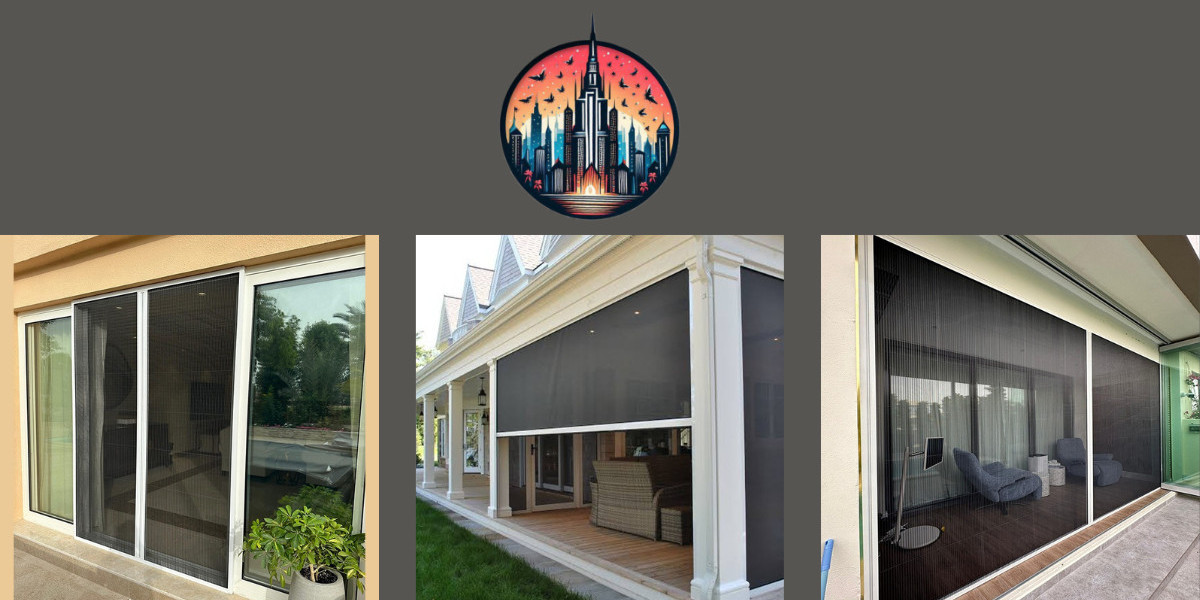

Nothing ruins a peaceful evening at home faster than the buzz of mosquitoes or the sight of flies circling your kitchen. Insects are more than just annoying they can carry bacteria, contaminate food, and disturb sleep. That’s why installing a fly screen is one of the smartest and simplest upgrades you can make to your home.
A high-quality fly screen allows fresh air to circulate while keeping unwanted pests outside where they belong. Unlike chemical sprays or electric zappers, fly screens offer a long-term, eco-friendly, and low-maintenance solution. In this guide, we’ll explore why fly screens matter, how to choose the best ones, and why they outperform many common insect-control alternatives.
Why Every Home Needs a Fly Screen
A fly screen acts as a protective barrier between your indoor living space and the outside environment. While open windows and doors help with ventilation, they also invite insects inside. Flies, mosquitoes, moths, and other pests can enter easily, especially during warmer months.
Beyond the annoyance factor, insects pose health risks. Flies can spread bacteria from outdoor waste to kitchen surfaces. Mosquitoes are known carriers of various diseases in many parts of the world. A fly screen reduces these risks without affecting airflow or natural light.
Another key benefit is comfort. Instead of relying solely on air conditioning, you can open your windows to enjoy fresh air without worrying about insects. This can also help reduce energy use and create a more pleasant indoor environment.
Features of Top-Rated Fly Screens
Not all fly screens are created equal. The best options combine durability, functionality, and ease of use.
High-quality mesh is the foundation of an effective fly screen. Look for materials like fiberglass, aluminum, or stainless steel mesh that resist tearing and corrosion. These materials provide excellent visibility and airflow while remaining strong enough to withstand daily use.
Secure framing systems are also important. A well-designed frame ensures that the fly screen fits tightly within the window or door opening, leaving no gaps for insects to slip through. Magnetic, sliding, retractable, and fixed-frame designs each offer different benefits depending on your space.
Ease of maintenance is another feature of top-rated products. The best fly screens can be removed or cleaned without hassle. Dust and pollen can build up over time, so being able to wash or wipe the mesh keeps it functioning effectively for years.
Types of Fly Screens for Different Needs
Choosing the right type of fly screen depends on where and how you plan to use it.
Fixed fly screens are ideal for windows that don’t need frequent access. They are sturdy, affordable, and provide constant protection. Once installed, they require minimal attention.
Retractable fly screens are perfect for doors and large openings. These screens roll away neatly when not in use, offering protection only when needed without blocking the view.
Magnetic fly screens are popular for households looking for a quick and DIY-friendly solution. They are easy to install and allow pets and children to pass through while automatically closing behind them.
Sliding fly screens work well with patio doors and balconies. They move smoothly along a track and provide a practical balance between access and protection.
Each of these options ensures that your home remains ventilated while keeping insects out, making them far more convenient than constantly opening and closing doors or using temporary insect repellents.
Fly Screens vs. Other Insect Control Methods
Many homeowners rely on sprays, coils, or plug-in repellents to deal with insects. While these methods may provide short-term relief, they come with downsides.
Chemical sprays can leave residues on surfaces and may not be safe for pets or children. They also need frequent reapplication and don’t stop new insects from entering.
Electric insect zappers can be noisy and only target insects that are already inside. They don’t prevent entry and can be unpleasant to use in living spaces.
Air conditioning helps when windows are closed, but it increases energy bills and reduces access to fresh air.
A fly screen, on the other hand, is a passive solution. It works 24/7 without chemicals, noise, or electricity. It prevents insects from entering in the first place, which is more effective than trying to eliminate them after they’re already inside. Over time, this makes fly screens a more cost-effective and healthier choice for households.
How to Choose the Best Fly Screen for Your Home
Selecting the right fly screen starts with measuring your windows and doors accurately. A proper fit is essential for keeping insects out.
Next, consider your lifestyle. Homes with pets or children may benefit from magnetic or durable mesh options that can withstand frequent movement. For high-traffic areas like patios, retractable or sliding fly screens offer both convenience and protection.
Climate also plays a role. In coastal or humid environments, corrosion-resistant materials like aluminum or stainless steel are ideal. In sunny regions, UV-resistant mesh can prevent deterioration over time.
Finally, think about aesthetics. Modern fly screen designs are sleek and unobtrusive, blending seamlessly with window and door frames. Choosing a color and style that matches your home ensures protection without compromising appearance.
Conclusion
A fly screen is a simple yet powerful addition to any home. It keeps insects out, improves ventilation, and creates a healthier and more comfortable living space. Compared to chemical or electronic insect control methods, fly screens offer a long-lasting, eco-friendly, and low-maintenance solution.
If you’re ready to enjoy fresh air without the buzz and bites, now is the perfect time to invest in top-rated fly screens for your windows and doors. Explore your options, choose the right style for your needs, and take the first step toward a truly bug-free home.
FAQs
1. What is the main purpose of a fly screen?
A fly screen is designed to keep insects like flies and mosquitoes out while allowing fresh air and light to enter your home.
2. Can fly screens be installed on all types of windows?
Yes, fly screens come in various designs, including fixed, magnetic, and retractable options, making them suitable for most window and door types.
3. Are fly screens easy to maintain?
Most fly screens require minimal maintenance. Regular dusting or gentle washing with water and mild soap is usually enough to keep them clean.
4. Do fly screens block airflow?
No, high-quality fly screen mesh is designed to allow good airflow while still preventing insects from entering.
5. How long do fly screens typically last?
With proper care, a durable fly screen made from quality materials can last many years without needing replacement.
6. Are fly screens better than insect sprays?
Fly screens prevent insects from entering in the first place, making them a safer and more long-term solution compared to chemical sprays.