Breast lift surgery, also known as mastopexy, is a popular cosmetic procedure in Riyadh that addresses sagging breasts, restores firmness, and improves overall breast contour. While the surgery offers immediate aesthetic benefits, proper recovery and adherence to exercise guidelines are crucial for ensuring optimal results and long-term breast health. Exercise plays a significant role in maintaining overall fitness, supporting recovery, and preserving the outcomes of the procedure, but it must be approached carefully to avoid complications. Many women consider breast lift surgery in Riyadh to restore a youthful shape and boost their confidence.
Importance of Exercise After Breast Lift Surgery
Physical activity is an important component of overall health, supporting cardiovascular fitness, muscle tone, and mental well-being. After breast lift surgery, exercising too soon or incorrectly can compromise healing, stretch incision lines, and affect the final aesthetic outcome. Conversely, following proper exercise guidelines promotes circulation, reduces the risk of blood clots, and aids in maintaining a healthy body weight, which contributes to the longevity of the breast lift results.
Immediate Postoperative Period: Weeks 1–2
The first week or two after breast lift surgery is the most delicate period for recovery. During this time, incisions are still healing, and swelling, bruising, and discomfort are common. Physical activity should be extremely limited. Patients are generally advised to:
Avoid lifting heavy objects, including children or groceries.
Refrain from bending, stretching, or twisting excessively.
Limit walking to short, gentle movements around the home to promote circulation.
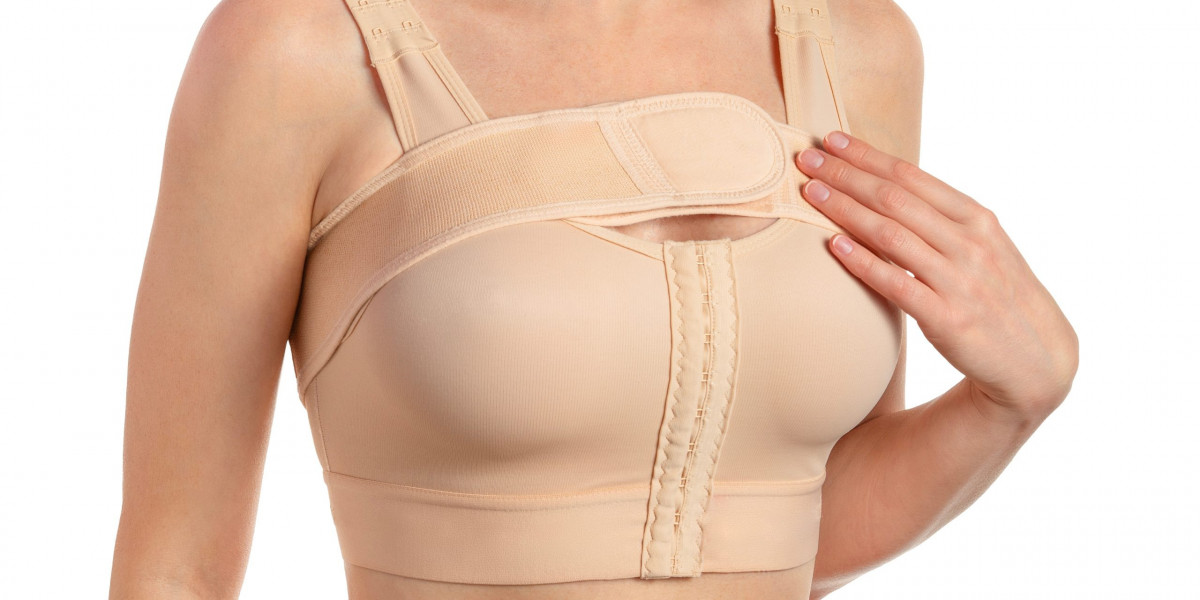
These restrictions are necessary to prevent strain on the incisions, reduce the risk of bleeding, and allow tissues to settle into their new position. Wearing a supportive surgical bra during this period is crucial to minimize movement and provide stability to the healing breasts.
Early Recovery: Weeks 3–4
During weeks three and four, patients can gradually increase light activity. Gentle walking, stretching of the arms without raising them above the shoulders, and slow mobility exercises may be introduced. However, activities that involve bouncing, heavy lifting, or vigorous upper body movements should still be avoided. The focus during this stage is on promoting circulation, maintaining flexibility, and supporting the healing process without placing unnecessary stress on the surgical site.
Moderate Activity: Weeks 5–6
By the fifth or sixth week after surgery, most patients are cleared for moderate activity, depending on individual healing progress and the surgeon’s evaluation. At this stage:
Light resistance training targeting the legs, back, and core can be introduced, avoiding direct strain on the chest.
Cardiovascular activities such as stationary cycling, walking, or light treadmill work are typically allowed.
Upper body exercises should be approached with caution. Movements involving the chest muscles, such as push-ups or weight lifting, may still need modification.
It is important to listen to the body during this phase. Swelling, tenderness, or discomfort indicates that the activity may be too intense or improperly performed. Gradual progression is key to preserving the surgical results and preventing complications.
Returning to Full Exercise: Weeks 7–12
After approximately seven to twelve weeks, most patients are cleared to resume full physical activity, including upper body workouts and high-impact exercises. By this stage:
Breast tissue and incisions have largely healed.
Patients can gradually reintroduce resistance training targeting the chest and arms.
Activities such as running, aerobics, or high-intensity interval training can be resumed, preferably with a supportive sports bra to minimize breast movement.
Even after full clearance, patients are advised to continue monitoring comfort and avoiding exercises that cause strain, pulling, or discomfort in the chest area.
Long-Term Exercise Considerations
Maintaining a consistent exercise routine after full recovery is beneficial for overall health and long-term breast lift results. Weight fluctuations can affect breast shape and positioning, so strength training and cardiovascular exercise help maintain body weight and muscle tone. A supportive sports bra during high-impact activity is recommended indefinitely to minimize stress on breast tissue and prevent premature sagging.
It is also important to focus on balanced workouts that strengthen the back, shoulders, and core. Strong postural muscles support the chest and contribute to a more lifted appearance, enhancing the aesthetic benefits of the surgery.
Safety Tips for Exercise After Breast Lift Surgery
Follow Surgeon Instructions: Individual recovery timelines may vary; always adhere to your surgeon’s guidance.
Wear Supportive Bras: Use surgical bras initially and high-support sports bras during exercise long-term.
Gradual Progression: Avoid rushing into vigorous activity; increase intensity gradually.
Monitor for Pain or Swelling: Stop exercises if discomfort occurs and consult your surgeon if issues persist.
Hydration and Nutrition: Support healing and tissue recovery with proper hydration, protein intake, and a balanced diet.
Conclusion
Exercise plays a vital role in the recovery process and the long-term maintenance of breast lift results in Riyadh. By adhering to appropriate guidelines and gradually resuming physical activity, patients can protect their surgical outcomes, enhance overall health, and maintain a youthful breast contour. From gentle walking in the early stages to full-strength training months later, understanding the timeline and following the surgeon’s recommendations ensures a safe and successful return to an active lifestyle. Proper exercise, combined with healthy habits and supportive care, allows women to enjoy both the aesthetic and physical benefits of breast lift surgery for years to come.