
Strong teams are not formed by chance. They are built through shared experiences that encourage trust, communication, and a sense of belonging. This is why organizations continue to invest in meaningful team building activities that go beyond surface-level interaction. When done well, these activities don’t just entertain—they transform how people work together.
Why Team Building Activities Matter in the Workplace
Workplaces bring together individuals with different personalities, communication styles, and expectations. While diversity strengthens teams, it can also create misunderstandings if not supported properly. Team building activities help bridge these gaps by encouraging collaboration in a relaxed, engaging setting.
When people feel connected to their teammates, they communicate more openly, solve problems more effectively, and support one another during challenges. Team building strengthens these relationships in ways that everyday work routines often cannot.
Moving Away From Forced or Generic Exercises
Many employees have experienced team building activities that feel awkward or disconnected from real work. Activities that rely on lectures, competitive pressure, or artificial icebreakers often fail to create genuine engagement.
The most effective team building activities are experiential. They invite participation rather than observation and focus on shared success instead of individual performance. When people are fully involved, the impact is deeper and longer lasting.
The Power of Shared Experience
Shared experiences are one of the most powerful tools for building trust. When people participate in something together—especially something new or creative—they form bonds that extend beyond the activity itself.
Team building activities that involve cooperation, timing, and mutual awareness help teams experience what alignment truly feels like. These moments create emotional connections that naturally carry over into daily work interactions.
Interactive Activities That Encourage Collaboration
Activities that require coordination and listening bring out the best in teams. Instead of competing against one another, participants learn to work toward a common goal. This shift from competition to collaboration fosters respect and understanding.
Interactive team building activities allow natural leadership to emerge while giving everyone a voice. Quiet team members often shine in these environments, while more vocal individuals learn the value of listening.
Rhythm-Based Team Building for Alignment
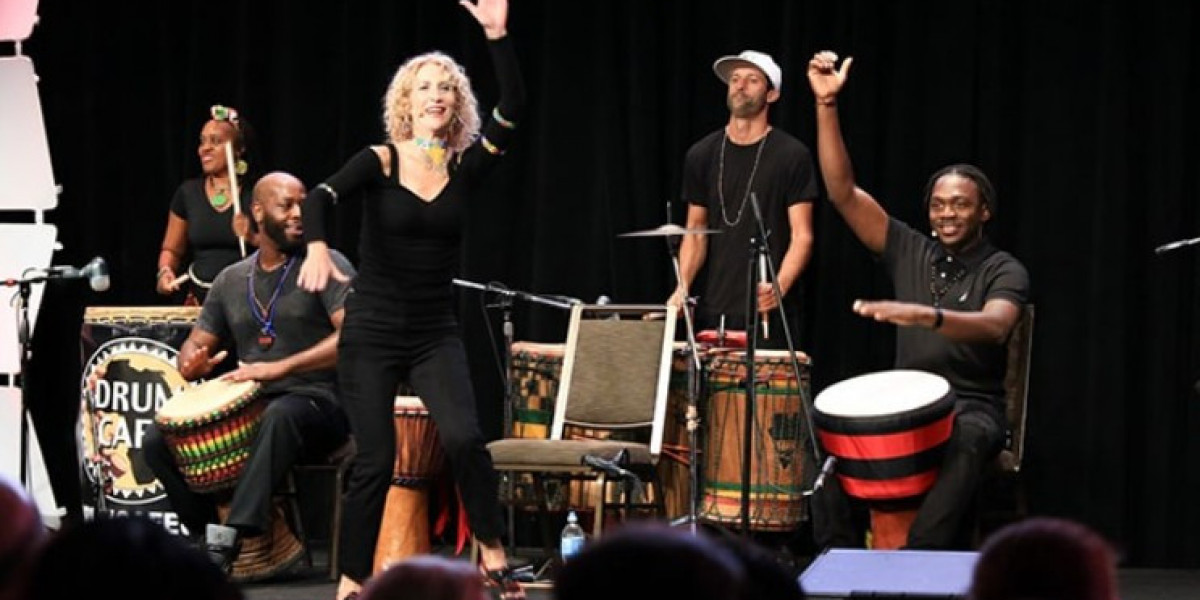
One of the most effective and inclusive approaches to team building involves rhythm and movement. Interactive drumming experiences create instant engagement and break down traditional workplace barriers.
Unite and motivate your team with powerful, interactive drumming experiences that transform participants into aligned, motivated teams. Through shared rhythm, teams learn to synchronize, adapt, and support one another without relying on words.
Why Drumming Creates Strong Team Bonds
Drumming works because it is instinctive and accessible. No musical background is required, which removes fear of failure and encourages full participation. Everyone contributes equally, creating a sense of unity from the very beginning.
These experiences emphasize listening, timing, and responsiveness—skills that are essential for effective teamwork. When individuals feel the impact of their contribution within the group, confidence and connection grow naturally.
Non-Verbal Communication and Awareness
Many workplace challenges stem from miscommunication. Team building activities that focus on non-verbal interaction help participants become more aware of group dynamics and unspoken cues.
Rhythm-based activities strengthen this awareness by requiring attention, adaptability, and presence. Teams learn to sense when to lead, when to follow, and when to support—lessons that translate directly into better collaboration.
Reducing Stress and Re-Energizing Teams
Workplace stress can quietly erode morale and productivity. Team building activities that incorporate movement and creativity provide a healthy release while boosting energy levels.
Drumming experiences are particularly effective at reducing tension. The physical act of drumming releases stress, while shared rhythm creates a feeling of connection and balance. Teams often leave feeling refreshed, focused, and motivated.
Inclusivity in Team Building Activities
Not all team members enjoy competitive games or physically demanding challenges. The most successful team building activities are inclusive, allowing everyone to participate comfortably regardless of personality or ability level.
Interactive drumming experiences naturally support inclusivity. There is no single “right” way to participate, which helps people feel accepted and valued. This inclusivity strengthens trust and reinforces a positive team culture.
Aligning Team Building With Organizational Goals
Effective team building is not just about having fun—it should support broader goals such as improved communication, adaptability, and engagement. Activities that mirror real workplace dynamics help teams apply lessons immediately.
When team building activities align with company values, they feel purposeful rather than optional. This alignment increases buy-in and ensures lasting impact.
Long-Term Benefits of Meaningful Team Building
Teams that engage in meaningful team building activities tend to show higher morale, stronger relationships, and better performance over time. These benefits extend beyond individual events and influence overall workplace culture.
Connected teams are more resilient, more creative, and better equipped to navigate change. Investing in the right experiences builds a foundation for long-term success.
Choosing the Right Team Building Experience
Not all activities deliver the same results. When choosing team building activities, organizations should look for experiences that encourage participation, emotional connection, and shared achievement.
The most impactful experiences are those that leave teams feeling aligned, energized, and motivated—ready to bring that momentum back into their work.
Final Thoughts
Team building activities should inspire connection, not obligation. When thoughtfully designed, they create trust, strengthen communication, and foster genuine collaboration.