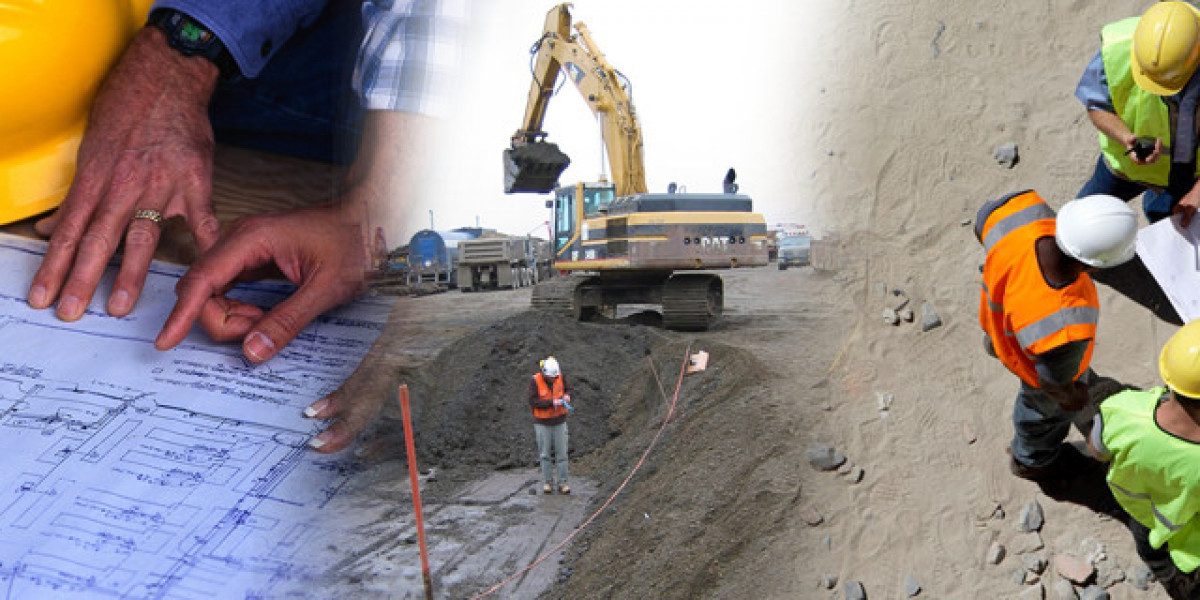

Road construction projects are a backbone of economic development and modern transportation systems. Well-built roads improve connectivity, reduce travel time, and support trade and urban growth. However, constructing durable and cost-effective roads requires more than basic engineering—it demands detailed planning, precise execution, and professional estimating to control costs and avoid delays.
This article explains how road construction projects are carried out, discusses commonly used construction methods, outlines key execution stages, and highlights why accurate road construction estimating is essential for successful project delivery.
Common Methods Used in Road Construction
Different road construction methods are applied based on traffic volume, environmental conditions, soil characteristics, and budget constraints. Understanding these methods helps stakeholders choose the most suitable option.
Asphalt-Based Road Construction
Asphalt roads are widely used for urban streets and secondary highways due to their flexibility and smooth surface. Asphalt pavements can be constructed quickly and repaired easily, making them cost-effective in the short term. However, routine maintenance is necessary to maintain performance over time.
Concrete Road Construction
Concrete pavements are known for their strength and long service life. These roads are suitable for heavy traffic routes such as highways, industrial roads, and freight corridors. Although the initial construction cost is higher, concrete roads often result in lower maintenance expenses over their lifespan.
Combined Pavement Systems
Combined or composite pavement systems use both asphalt and concrete layers. This method offers improved durability and flexibility, making it suitable for areas with varying traffic loads and harsh weather conditions.
Selecting the appropriate construction method is a major factor in road construction estimating, as materials and techniques significantly influence project costs
Stages of Road Construction Execution
Road construction projects follow a structured execution process to ensure quality, safety, and durability.
1. Preliminary Survey and Planning
The project begins with site surveys, soil investigations, traffic studies, and environmental assessments. Engineers analyze ground conditions and identify potential risks. Effective planning at this stage minimizes construction challenges and unexpected expenses.
2. Cost Estimation and Budget Control
Accurate cost estimation is essential for project success. Professional road construction estimating involves calculating quantities, labor costs, equipment usage, and timelines. Reliable estimates help contractors submit competitive bids and manage budgets efficiently.
3. Engineering Design and Approvals
Detailed engineering designs are developed based on survey data and estimation results. These designs include pavement structure, drainage systems, alignment, and safety measures. Approval from regulatory authorities is required before construction begins.
4. Construction Activities
This phase includes earthwork, subgrade preparation, base course installation, and pavement laying. Continuous supervision ensures construction standards are met and quality is maintained throughout the process.
5. Quality Inspection and Maintenance Planning
After construction, inspections are conducted to verify structural integrity and performance. Developing a maintenance plan helps extend road life and reduces long-term repair costs.
Best Practices for Successful Road Construction Projects
Following industry best practices improves project efficiency and long-term performance.
Accurate Estimating and Financial Planning
Working with a professional construction cost estimating firm provides detailed cost breakdowns and realistic budgeting. Accurate estimates reduce the risk of cost overruns and support better decision-making.
Use of Durable Construction Materials
Material quality directly affects road durability. Proper testing of aggregates, asphalt, and concrete ensures compliance with technical standards and prevents premature failures.
Safety Management
Road construction sites involve heavy machinery and traffic exposure. Implementing strict safety protocols protects workers and road users while ensuring regulatory compliance.
Modern Construction Techniques
Advanced machinery, digital takeoff tools, and project management software improve productivity and accuracy. Technology-driven approaches also enhance the reliability of cost estimation.
Skilled Project Teams
Experienced engineers, estimators, and contractors bring expertise that helps manage complex construction challenges efficiently.
Importance of Road Construction Estimating
Road construction projects involve substantial investments, and even small estimation errors can lead to significant financial losses. Professional estimating services provide precise quantity takeoffs, realistic pricing, and data-driven insights. Partnering with a reliable construction cost estimating firm helps contractors improve bid accuracy and maintain financial control.
Accurate estimating also supports better scheduling, resource allocation, and risk management, ensuring projects are completed on time and within budget.
Conclusion
Road construction projects require careful planning, method selection, and precise cost control to achieve long-term success. Understanding construction methods, execution stages, and best practices helps stakeholders deliver durable and cost-effective road infrastructure. By prioritizing professional road construction estimating and quality-focused construction strategies, projects can achieve improved performance and financial efficiency.