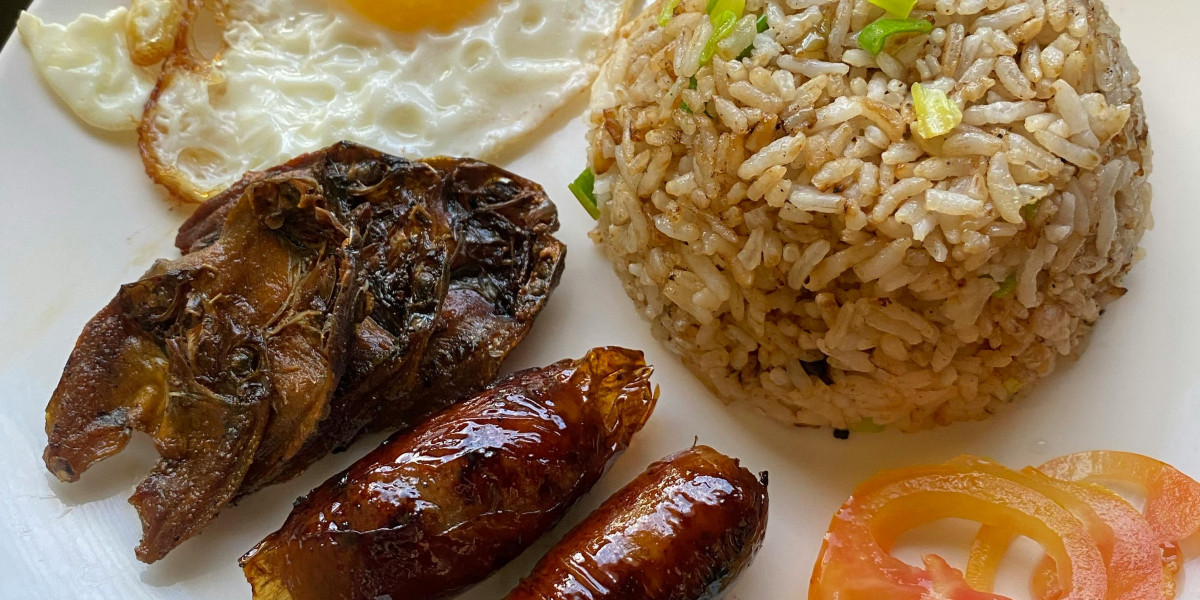

Breakfast plays an important role in daily health and energy, and across Asia, morning meals are often designed with balance, nourishment, and digestion in mind. Rooted deeply in Asian breakfast traditions, these meals focus on whole ingredients, warm preparation methods, and a mix of carbohydrates, proteins, and healthy fats. From light rice porridge in East Asia to protein-rich lentil dishes in South Asia, Asian breakfasts offer plenty of healthy options that support long-lasting energy and wellness.
Why Asian Breakfasts Are Considered Healthy
Asian breakfasts tend to emphasize moderation, variety, and balance. Many meals are cooked rather than raw, which is believed to support digestion. Staples such as rice, vegetables, legumes, eggs, and fermented foods provide essential nutrients without excessive sugar or processed ingredients.
Another key feature is portion balance. Instead of one large item, many Asian breakfasts include several small components that together create a nutritious and satisfying meal.
Healthy East Asian Breakfast Options
Japanese Breakfast for Balance and Digestion
A traditional Japanese breakfast is one of the healthiest morning meals. It typically includes steamed rice, miso soup, grilled fish, and pickled vegetables. Miso soup provides probiotics that support gut health, while fish offers high quality protein and omega fatty acids.
This type of breakfast is low in sugar and rich in nutrients, making it ideal for sustained energy and mental clarity.
Chinese Congee for Gentle Nutrition
Congee is a rice porridge that is easy to digest and soothing for the stomach. It is often eaten during breakfast, especially when someone is feeling unwell. Congee can be topped with vegetables, eggs, or lean proteins, making it both nourishing and customizable.
Because it is water-based and lightly seasoned, congee is a low calorie yet satisfying option.
Korean Breakfast with Fermented Foods
Korean breakfasts often include rice, soup, and small side dishes. Kimchi and other fermented vegetables provide beneficial bacteria that aid digestion. Soups made with tofu or vegetables add hydration and nutrients.
This combination promotes gut health and provides a steady release of energy throughout the morning.
Healthy Southeast Asian Breakfast Choices
Vietnamese Pho with Fresh Herbs
Pho is a noodle soup that is commonly eaten for breakfast in Vietnam. Made with clear broth, rice noodles, herbs, and lean protein, pho is both filling and light. The broth provides hydration, while herbs like basil and cilantro add antioxidants.
Choosing smaller portions of noodles and more vegetables keeps this breakfast balanced and healthy.
Thai Jok for Comfort and Energy
Jok is a Thai rice porridge similar to congee. It is often topped with minced meat, ginger, and herbs. Ginger supports digestion, while lean protein adds satiety. Jok is warm, comforting, and easy on the stomach, making it a great breakfast option.
Indonesian Bubur Ayam
Bubur ayam is a chicken rice porridge topped with herbs and vegetables. It is high in protein and low in fat when prepared with minimal oil. This dish provides sustained energy and is gentle on digestion.
Nutritious South Asian Breakfasts
Indian Idli and Sambar
Idli are steamed rice cakes made from fermented batter. They are light, low in fat, and easy to digest. Sambar, a lentil-based vegetable stew, adds protein, fiber, and essential nutrients.
This combination is filling without being heavy and supports gut health due to fermentation.
Dosa with Healthy Fillings
Dosa is a thin, fermented crepe made from rice and lentils. When paired with vegetable-based fillings and coconut chutney, dosa becomes a balanced and nutritious breakfast. The fermentation process improves nutrient absorption and flavor.
Upma and Poha
Upma is a savory semolina dish cooked with vegetables, while poha is made from flattened rice. Both are light, fiber-rich, and quick to digest. Adding vegetables and nuts increases their nutritional value.
Pakistani and Sri Lankan Healthy Breakfast Options
In Pakistan, breakfasts often include whole wheat flatbreads served with eggs or lentils. Using minimal oil and pairing with yogurt adds protein and probiotics.
Sri Lankan breakfasts such as string hoppers with coconut sambal offer complex carbohydrates and healthy fats. These meals are filling while still being nutrient dense.
Common Healthy Ingredients in Asian Breakfasts
Several ingredients appear across Asian breakfast traditions that contribute to their health benefits:
Rice and whole grains provide sustained energy
Lentils and legumes offer plant-based protein
Eggs and fish supply high quality protein
Fermented foods support gut health
Herbs and spices add antioxidants and aid digestion
These components work together to create meals that nourish the body and mind.
How to Adapt Asian Breakfasts for Modern Lifestyles
Asian breakfasts can be easily adapted to suit busy mornings. Preparing porridge or batter in advance saves time. Using simple ingredients and portion control keeps meals healthy.
You can also mix elements from different cultures, such as pairing congee with sautéed vegetables or enjoying dosa with lighter chutneys.
Why You Should Try Healthy Asian Breakfasts
Switching to healthier breakfast options can improve energy levels, digestion, and overall wellness. Asian breakfasts provide savory, warm meals that help you feel satisfied without relying on sugar or processed foods.
These meals also encourage mindful eating and variety, making breakfast more enjoyable and nourishing.
Enjoying Asian Breakfasts Outside Asia
Many Asian restaurants serve traditional breakfast dishes throughout the day. Asian grocery stores also offer ready-to-cook options and ingredients to recreate these meals at home.
Pairing these breakfasts with green tea or light coffee complements their flavors and supports digestion.
Conclusion
Healthy Asian breakfasts from East to South Asia showcase the power of balance, tradition, and nutrition. From Japanese miso soup and rice to Indian idli and sambar, these meals offer wholesome ingredients and time-tested preparation methods. Exploring Asian breakfast traditions is a great way to add variety and nourishment to your mornings. And when you want to complete the experience with a comforting beverage, visiting an Ann Arbor café for coffee lovers can make your breakfast routine even more enjoyable.