
If you’re a fan of sweet treats and late-night cravings, you’ve likely come across Insomnia Cookies. Known for delivering warm, freshly baked cookies right to your door, this bakery has become a favorite among cookie lovers. But for those observing halal dietary laws, an important question arises: are Insomnia Cookies halal? In this article, we’ll explore the answer in detail, along with related concerns about kosher status, ingredients, and what options are available for everyone.
Understanding Halal and Why It Matters
Halal, an Arabic term meaning "permissible," refers to foods that meet Islamic dietary laws. Foods considered halal must not contain any haram (forbidden) ingredients, such as pork, alcohol, or certain animal-derived products that aren’t slaughtered according to Islamic law. For individuals who follow halal guidelines, ensuring that baked goods, desserts, and snacks comply is essential to maintain their dietary principles.
Are Insomnia Cookies Halal?
When it comes to Insomnia Cookies, the answer is not a simple yes or no. While the cookies themselves are generally free from pork products or alcohol, they are not certified halal by any recognized Islamic authority. This means there is no official verification that all ingredients, production processes, and cross-contamination practices comply with halal standards.
This doesn’t necessarily make them non-halal, but for those strictly adhering to halal rules, consuming them may be a personal choice. People who follow halal strictly often seek products with formal halal certification to ensure every aspect of production meets Islamic dietary laws.
Ingredients to Consider
A typical Insomnia Cookie contains flour, sugar, butter, chocolate chips, and various flavorings. While none of these are inherently haram, some cookies may contain:
Emulsifiers derived from non-halal sources
Flavor extracts that may include alcohol
Cross-contamination risks from equipment also used for non-halal products
It’s worth noting that Insomnia Cookies uses shared baking equipment for all its cookies, which increases the risk of cross-contamination with non-halal ingredients. Therefore, without halal certification, there’s no guarantee of strict compliance.
Comparing Halal and Kosher: What About Insomnia Cookies?
Another common question is: is Insomnia Cookies kosher? Some of Insomnia Cookies’ products are certified kosher, meaning they adhere to Jewish dietary laws. Kosher certification focuses on entirely different rules than halal, though there is some overlap, such as avoiding pork. However, kosher status does not automatically mean a product is halal.
For Muslims seeking halal alternatives, it’s important to check both the ingredients and certifications. Kosher cookies might meet some halal criteria, but the absence of halal certification means some ingredients, like flavorings or additives, may not comply.
Insomnia Cookies Photos: What to Look For
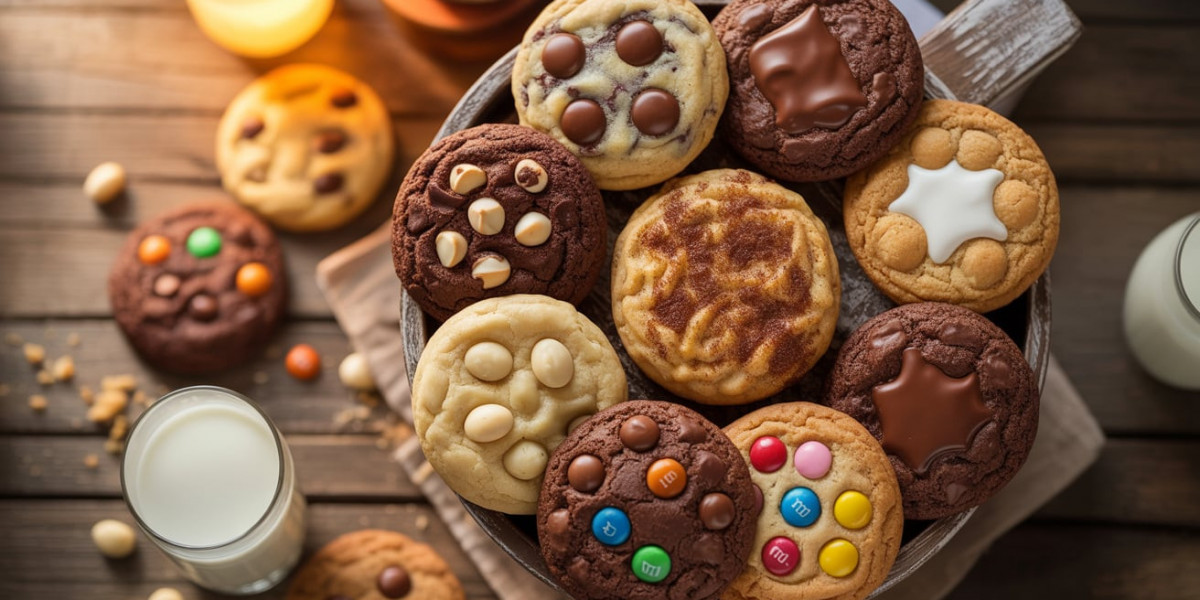
When browsing Insomnia Cookies photos, it’s easy to see the tempting variety of treats: chocolate chip, snickerdoodle, double chocolate, birthday cake, and more. While visually appealing, photos alone cannot confirm halal status. Reading ingredient labels or asking the store directly is the safest approach.
Some stores may provide ingredient lists online or in-store, which allows halal consumers to make informed choices. If you’re concerned about specific ingredients like emulsifiers or flavorings, it’s always best to inquire before purchasing.
Tips for Enjoying Cookies Safely
If you love Insomnia Cookies but want to adhere to halal guidelines, consider these options:
Check ingredient lists: Some cookies may be closer to halal compliance than others.
Avoid toppings or flavorings with alcohol: Certain specialty cookies may include extracts or glazes that are not halal-friendly.
Opt for homemade or certified halal cookies: If strict compliance is important, making your own cookies or buying from a halal-certified bakery ensures peace of mind.
Contact Insomnia Cookies: Customer support can provide information about ingredients and production practices, helping you make an informed choice.
Final Thoughts
While Insomnia Cookies are a favorite for their delicious flavors and convenience, they are not officially halal-certified. For casual enjoyment, some may consider them permissible if they avoid strictly haram ingredients. However, for those adhering strictly to halal laws, it is best to either seek halal-certified alternatives or enjoy homemade treats where all ingredients are verified.
Whether you’re browsing Insomnia Cookies photos for inspiration or trying to decide if a late-night delivery is suitable for your diet, knowledge of ingredients, certifications, and production processes is key. And while the cookies are tempting, ensuring they align with your dietary standards can help you enjoy them guilt-free.
By staying informed and asking the right questions, you can continue to enjoy cookies responsibly, whether you’re following halal, kosher, or other dietary guidelines.