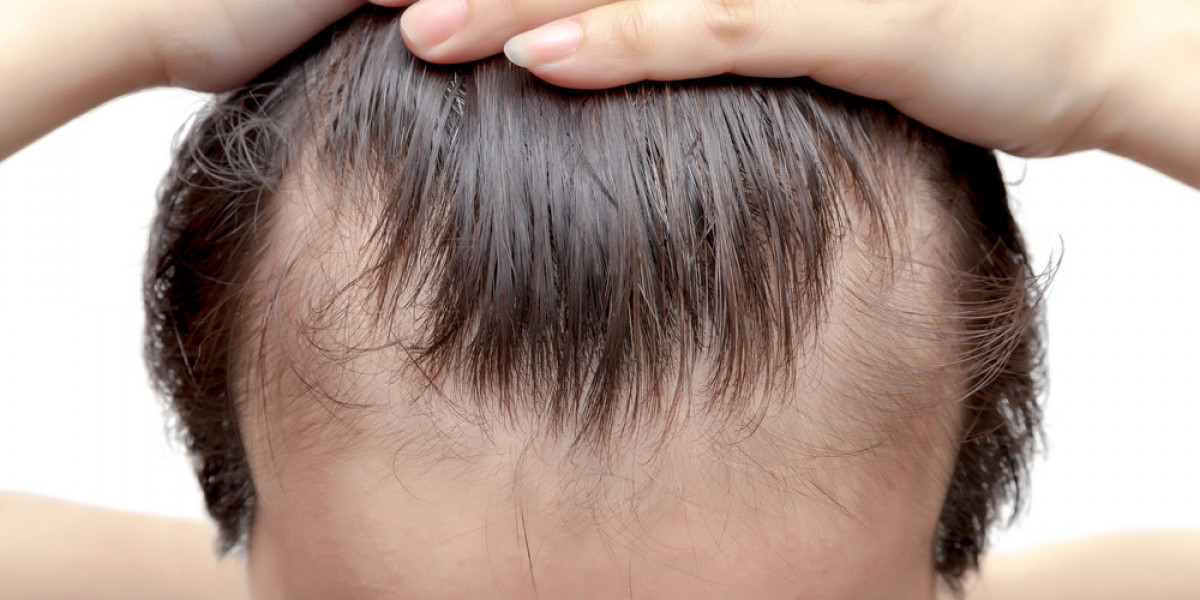

Noticing your hairline creeping back can be a little unsettling. You might look in the mirror one day and realize your forehead seems a bit higher than before, or that your temples are starting to thin. It’s normal to feel a mix of surprise and concern when this happens.
So, what’s going on? Hairlines recede for a variety of reasons, and while it’s common, understanding the causes can help you respond effectively rather than just worrying about it. In this article, we’ll explore why hairlines recede, looking at genetics, hormones, lifestyle factors, medical conditions, and practical steps you can take to protect your hair and maintain your confidence.
What Does a Receding Hairline Actually Mean?
Before diving into causes, it helps to know exactly what a receding hairline is. Essentially, it’s when the hair at the temples or forehead gradually thins or moves backward. This change is different from general hair thinning, which affects larger areas of the scalp.
- How a normal hairline changes over time: Everyone’s hairline naturally evolves with age. Slight recession is often just part of the aging process.
- Receding hairline vs. general hair thinning: While a receding hairline is more about the front and sides, diffuse thinning spreads across the scalp. Knowing thedifference can help you identify the underlying cause.
Recognizing whether your hairline is truly receding or just experiencing normal changes is the first step toward managing it.
Is Genetics the Main Reason Hairlines Recede?
If you’ve noticed a pattern in your family, maybe your dad or grandfather had a high forehead—it’s not just coincidence. Genetics play a huge role in hairline changes.
- How inherited hair loss works: Certain genes make hair follicles more sensitive to hormones that cause shrinking over time. This sensitivity can lead to gradual thinning at the temples or crown.
- Why men and women experience it differently: Men often see a classic M-shaped pattern at the hairline, while women might notice overall thinning at the front and top of the scalp.
While you can’t change your genetics, being aware of family patterns can help you act early to preserve hair and explore options that suit your situation.
How Hormones Affect the Hairline
Hormones quietly influence hair growth every day. Changes or imbalances can accelerate a receding hairline, sometimes without warning.
- DHT and hair follicles: Dihydrotestosterone (DHT), a derivative of testosterone, can shrink hair follicles over time. This is why men often experience recession at the temples first.
- Hormonal changes in women: Women may see hairline changes due to pregnancy, menopause, or thyroid issues. Even small hormonal shifts can affect hair density.
Understanding the role of hormones is important because it points to solutions beyond topical treatments, sometimes medical guidance or lifestyle adjustments can make a difference.
Can Stress and Daily Habits Push the Hairline Back?
Well, here’s the thing; your lifestyle can affect hair growth more than you might expect. Stress, poor sleep, and certain habits can accelerate hairline recession.
- Stress, sleep, and hair growth cycles: High stress can trigger telogen effluvium, a temporary shedding phase, which may make a hairline appear to recede faster.
- Hairstyles, grooming, and scalp habits: Tight hairstyles like ponytails or braids, excessive heat, or harsh chemical treatments can damage follicles over time.
Making small changes, like reducing stress, sleeping well, and avoiding overly tight hairstyles, can help slow hairline changes and support healthier hair growth.
Medical Conditions Linked to Receding Hairlines
Sometimes, a receding hairline isn’t just about age or lifestyle; it can signal underlying health issues.
- Autoimmune-related hair loss: Conditions like alopecia areata cause the immune system to attack hair follicles, leading to patchy or diffuse hair loss.
- Nutrient gaps and underlying health issues: Deficiencies in iron, vitamin D, or protein, as well as thyroid problems, can contribute to thinning hairlines.
If you notice sudden or significant hair loss, it’s worth checking with a healthcare professional. Identifying the cause early can make a noticeable difference in treatment effectiveness.
When Should You Take Hairline Changes Seriously?
You might be wondering: when is a receding hairline just cosmetic, and when is it a sign to see a doctor?
- Signs your hair loss needs medical input: Rapid recession, patchy bald spots, or sudden changes in hair texture could indicate a medical issue.
- Why early action matters: Catching hairline issues early allows for more options; sometimes a simple lifestyle adjustment or early treatment can slow progression.
Taking a proactive approach ensures you’re not just reacting to changes, but actually managing them.
What Are Your Options If Your Hairline Is Receding?
Once you understand the causes, you have choices. While not all methods work the same for everyone, knowledge is empowering.
- Lifestyle and non-medical approaches: Reducing stress, eating a balanced diet, using gentle hair care practices, and avoiding damaging hairstyles can help maintain hair health.
- Medical evaluations and research-based options: Doctors can evaluate hormone levels, screen for deficiencies, or suggest treatments like minoxidil. For those interested in exploring advanced therapies, participating in clinical studies might be an option.
Taking steps early, no matter how small, can make a significant difference in hairline preservation and overall confidence.
Conclusion: Understanding the Cause Is the First Step
A receding hairline can be influenced by many factors, including genetics, hormones, lifestyle habits, and medical conditions. While some causes are unavoidable, others can be managed with awareness and proactive care. Genetics often set the stage, but hormones and daily habits play a crucial role in how your hairline changes over time.
By focusing on stress management, proper nutrition, and gentle hair care, it’s possible to slow the progression of hairline recession. Early consultation with a healthcare professional can help uncover underlying conditions and guide effective treatments. Additionally, exploring research opportunities and choosing to participate in alopecia areata clinical trials may provide access to cutting-edge therapies while contributing to advances in hair loss solutions. The key is to stay attentive, track changes, and take action when needed. Your hairline doesn’t have to define your confidence; it’s about understanding, care, and timely steps to protect your hair.