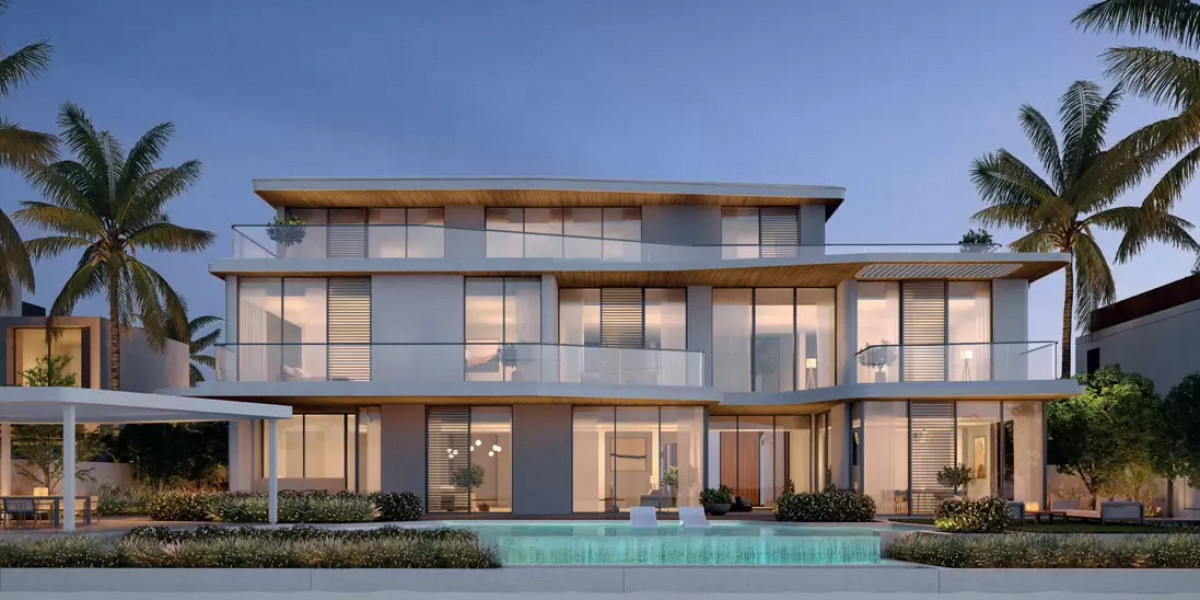

Dubai has evolved into one of the world’s most sought-after destinations for luxury real estate investment. Its strategic location, robust infrastructure, investor-friendly regulations, and reputation for premium living continue to attract high-net-worth individuals from across the globe. When you buy luxury property in Dubai, the decision goes beyond lifestyle appeal—it becomes a strategic financial move that can deliver long-term value, stable returns, and portfolio diversification. Understanding the right investment strategies is essential to maximizing these benefits.
Understanding Dubai’s Luxury Real Estate Landscape
Dubai’s luxury property market is characterized by iconic architecture, master-planned communities, and a wide range of premium residential options. From waterfront developments and branded residences to private estates in gated communities, the city offers diverse opportunities for investors with different objectives.
A key factor driving the market is consistent demand. Dubai’s status as a global business hub and tourism center creates ongoing interest from expatriates, entrepreneurs, and international investors. This demand supports both capital appreciation and rental performance, especially in prime locations.
Strategy 1: Focus on Prime Locations
Location remains one of the most critical factors in luxury property investment. In Dubai, properties situated in established, high-demand areas tend to outperform others in terms of appreciation and rental desirability.
Prime locations typically benefit from:
Proximity to business districts and lifestyle destinations
Strong infrastructure and transport connectivity
Limited supply, which helps protect long-term value
Luxury properties in well-developed neighborhoods often maintain resilience during market fluctuations, making them suitable for investors seeking stability alongside growth.
Strategy 2: Balance Lifestyle Value With Investment Returns
Luxury investments are unique because they often serve dual purposes: personal use and financial performance. Successful investors evaluate properties not only on projected returns but also on lifestyle appeal.
High-end buyers increasingly prioritize:
Privacy and exclusivity
Quality of construction and design
Access to premium amenities such as wellness facilities, green spaces, and concierge services
Properties that align lifestyle desirability with solid market fundamentals are more likely to attract affluent tenants or future buyers, enhancing resale potential.
Strategy 3: Consider Long-Term Capital Appreciation
Dubai’s luxury real estate market has demonstrated strong long-term growth, particularly in areas supported by continuous development and urban planning. Investors focused on capital appreciation should assess future infrastructure projects, community expansions, and zoning regulations.
Long-term strategies often involve holding premium assets through multiple market cycles. Over time, scarcity of land in prime areas and increasing demand for high-quality residences can significantly boost property values.
Strategy 4: Diversify Within the Luxury Segment
Diversification is a cornerstone of effective investment planning, and it applies equally to luxury real estate. Instead of allocating capital to a single asset type, investors may consider diversifying across different luxury segments.
This could include:
High-end apartments in urban centers
Waterfront residences with leisure appeal
Low-density homes offering exclusivity and space
Diversification within the luxury category helps mitigate risk while allowing exposure to multiple demand drivers.
Strategy 5: Evaluate Rental Yield Potential
While luxury properties are often associated with capital growth, rental income can also play a meaningful role in overall returns. Dubai’s strong short- and long-term rental demand supports income generation, especially for well-located, well-managed properties.
Key considerations include:
Target tenant profile (executives, families, seasonal residents)
Property size, layout, and furnishings
Community amenities that enhance rental appeal
A property that balances prestige with functionality is more likely to achieve consistent occupancy and premium rental rates.
Strategy 6: Understand Ownership Structures and Regulations
One of Dubai’s strengths as an investment destination is its transparent property ownership framework. Investors should familiarize themselves with ownership structures, registration processes, and compliance requirements to ensure smooth transactions.
Clear legal frameworks and secure title registration enhance investor confidence. Taking the time to understand these elements reduces risk and supports informed decision-making, particularly for international buyers.
Strategy 7: Time the Market, but Think Strategically
While market timing can influence entry prices, luxury property investment in Dubai is often most effective when guided by strategy rather than speculation. Short-term market fluctuations are less significant for investors focused on quality assets and long-term horizons.
Strategic timing involves:
Identifying value opportunities during market corrections
Aligning purchases with personal or portfolio goals
Avoiding overexposure during speculative peaks
A disciplined approach helps investors acquire assets with enduring value rather than chasing short-lived trends.
Strategy 8: Prioritize Quality and Developer Reputation
In the luxury segment, quality is non-negotiable. Construction standards, architectural integrity, and long-term maintenance all influence a property’s performance over time.
High-quality developments tend to:
Age better and require less corrective investment
Retain brand and market appeal
Command higher resale and rental values
Investors should carefully assess design, materials, and community planning to ensure the asset aligns with luxury expectations.
Strategy 9: Plan for Exit and Liquidity
Even long-term investors benefit from having a clear exit strategy. Understanding how and when a luxury property can be sold is essential for portfolio flexibility.
Factors that support liquidity include:
Location in a well-known, high-demand area
Broad appeal to international buyers
Competitive pricing relative to comparable properties
Properties with strong resale fundamentals provide investors with greater confidence and adaptability in changing market conditions.
Strategy 10: Align Investment With Broader Wealth Goals
Luxury real estate in Dubai often forms part of a larger wealth strategy. Whether the goal is asset preservation, income generation, or legacy planning, the investment should align with overall financial objectives.
High-net-worth investors frequently view premium property as:
A hedge against inflation
A tangible asset with intrinsic value
A means of diversifying beyond traditional financial markets
Clarity of purpose helps guide property selection and holding strategy.
Final Thought: Investing With Vision in Dubai’s Luxury Market
Dubai’s luxury property market offers a rare combination of lifestyle excellence and investment potential. By focusing on prime locations, prioritizing quality, diversifying assets, and aligning purchases with long-term goals, investors can build resilient portfolios that withstand market cycles. Strategic planning, rather than short-term speculation, remains the key to success. For those seeking exclusivity, stability, and enduring value, opportunities in luxury villas in Dubai continue to represent a compelling avenue for sophisticated real estate investment.