
An aneurysm is a serious medical condition that occurs when a blood vessel wall becomes weak and bulges outward. Over time, this bulge can grow and may rupture, leading to life-threatening internal bleeding. Aneurysms often develop silently, without noticeable symptoms, which is why early awareness and timely diagnosis are extremely important.
Aneurysms can occur in different parts of the body, including the brain, aorta, abdomen, chest, and peripheral arteries. Understanding the causes, warning signs, and treatment options can help reduce risks and save lives.
What Is an Aneurysm?
An aneurysm is an abnormal dilation or ballooning of a blood vessel due to weakening of its wall. The most common and dangerous type is an aortic aneurysm, which affects the body’s main artery that carries blood from the heart to the rest of the body.
As the aneurysm grows, the vessel wall becomes thinner and weaker. If it ruptures, it can cause severe internal bleeding and may be fatal without immediate medical attention.
Types of Aneurysms
Aneurysms are classified based on their location:
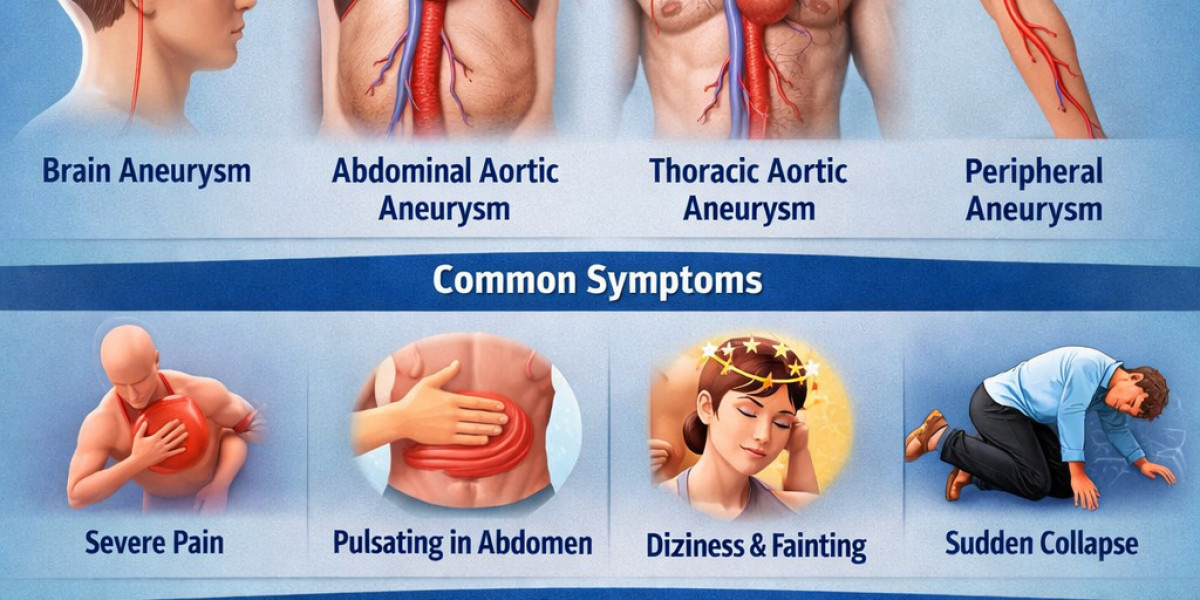
Abdominal Aortic Aneurysm (AAA): Occurs in the lower part of the aorta, most common type
Thoracic Aortic Aneurysm: Develops in the chest area
Brain (Cerebral) Aneurysm: Occurs in blood vessels of the brain
Peripheral Aneurysm: Affects arteries in the legs, arms, or neck
Each type has different risk factors and treatment approaches.
Common Causes and Risk Factors
Several factors can weaken blood vessel walls and increase the risk of aneurysm formation:
High blood pressure (hypertension)
Atherosclerosis (plaque buildup in arteries)
Smoking
Aging (especially over 60 years)
Family history of aneurysms
Connective tissue disorders
Previous vascular injury or infection
Men and smokers are generally at a higher risk, but aneurysms can affect anyone.
Symptoms of an Aneurysm
Many aneurysms do not cause symptoms until they become large or rupture. When symptoms appear, they may include:
Persistent or sudden severe pain (abdomen, chest, or back)
Pulsating sensation in the abdomen
Shortness of breath
Dizziness or fainting
Sudden drop in blood pressure (in case of rupture)
A ruptured aneurysm is a medical emergency and requires immediate treatment.
How Is an Aneurysm Diagnosed?
Aneurysms are often detected during routine health checkups or imaging tests done for other reasons. Common diagnostic tools include:
Ultrasound
CT scan (Computed Tomography)
MRI
Angiography
Early diagnosis allows doctors to monitor the aneurysm and decide the best treatment plan.
Treatment Options for Aneurysm
Treatment depends on the size, location, and growth rate of the aneurysm, as well as the patient’s overall health.
Non-Surgical Management
Small and slow-growing aneurysms may be managed with:
Regular monitoring
Blood pressure control
Lifestyle changes such as quitting smoking
Medications to reduce arterial stress
Surgical and Minimally Invasive Treatment
Larger or fast-growing aneurysms usually require intervention:
Open surgical repair
Endovascular aneurysm repair (EVAR) – a minimally invasive technique using stent grafts
The choice of treatment is made by a vascular specialist based on individual patient needs.
Can Aneurysms Be Prevented?
While not all aneurysms can be prevented, the risk can be significantly reduced by:
Maintaining healthy blood pressure
Quitting smoking
Eating a heart-healthy diet
Regular exercise
Managing cholesterol and diabetes
Undergoing screening if there is a family history
Conclusion
An aneurysm is a potentially life-threatening condition that often develops without symptoms. Early detection, proper monitoring, and timely treatment play a critical role in preventing complications. If you have risk factors such as high blood pressure, smoking, or a family history of aneurysms, regular screening and consultation with a vascular specialist are strongly advised.
Taking proactive steps today can help protect your vascular health and prevent serious outcomes in the future.