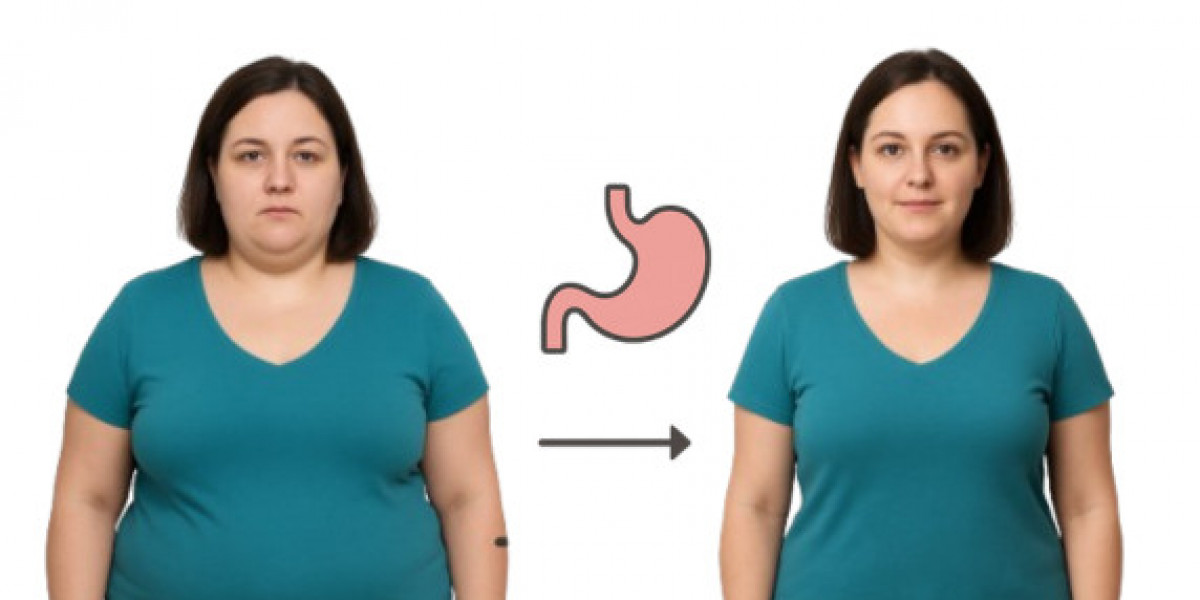

Bariatric surgery is a life-changing solution for individuals struggling with obesity, offering significant weight loss and improved overall health. However, for some patients, initial bariatric procedures may not deliver the desired results, or complications may arise over time. In such cases, Revision Bariatric Surgery—a corrective or secondary procedure—becomes an important option.
What is Revision Bariatric Surgery?
Revision bariatric surgery refers to a follow-up or corrective operation performed after an initial weight-loss surgery. It is designed to address:
Insufficient Weight Loss: When patients do not achieve or maintain the expected weight reduction.
Weight Regain: Some patients experience gradual weight regain years after the original surgery.
Complications: Issues such as strictures, leaks, ulcers, or gastroesophageal reflux disease (GERD) may require correction.
Revision surgery is highly individualized, depending on the type of initial bariatric procedure and the specific challenges the patient faces.
Common Reasons for Revision Surgery
Gastric Sleeve Complications: Patients may develop stretching of the stomach or inadequate weight loss.
Gastric Bypass Issues: Complications like ulcers, nutrient deficiencies, or dumping syndrome may necessitate revision.
Band-Related Problems: Adjustable gastric bands may erode, slip, or cause discomfort.
Weight Regain: Sometimes, anatomical changes or lifestyle factors lead to regaining lost weight, prompting surgical adjustment.
Your bariatric surgeon will carefully review your history, current health, and goals to determine the best revision strategy.
Types of Revision Bariatric Surgery
Depending on the patient’s needs, several revision options are available:
Sleeve to Gastric Bypass Conversion: Patients who have had a sleeve gastrectomy may be converted to a gastric bypass to enhance weight loss and improve reflux issues.
Band to Sleeve or Bypass Conversion: Patients with adjustable gastric bands may undergo conversion to a sleeve or bypass for better results.
Re-Sleeve Procedure: In some cases, the stomach sleeve can be resized to reduce its volume further.
Duodenal Switch Revision: For patients requiring additional weight loss or metabolic improvement, duodenal switch surgery may be performed.
Each revision procedure is tailored to the patient’s anatomy, previous surgery, and long-term health goals.
Benefits of Revision Bariatric Surgery
Revision surgery can provide multiple advantages:
Enhanced Weight Loss: Corrects issues that prevent effective weight reduction.
Improved Health Conditions: Helps manage diabetes, high blood pressure, sleep apnea, and other obesity-related diseases.
Resolution of Complications: Addresses discomfort, reflux, or surgical complications from the initial procedure.
Better Quality of Life: Restores confidence, mobility, and overall well-being.
Recovery and Lifestyle Considerations
Recovery after revision surgery is similar to primary bariatric procedures but may vary depending on the complexity of the surgery. Key aspects include:
Hospital Stay: Usually 2–4 days, depending on the procedure and recovery speed.
Dietary Adjustments: Start with liquids, progress to soft foods, and eventually solid foods under a dietitian’s guidance.
Supplements: Nutrient absorption may be affected, requiring lifelong vitamin and mineral supplementation.
Follow-Up Care: Regular check-ups with the surgeon and nutritionist are crucial for monitoring weight, nutrition, and overall health.
Risks of Revision Surgery
Revision bariatric surgery is more complex than primary surgery and carries higher risks, including:
Surgical complications like infection, bleeding, or leaks
Nutrient deficiencies due to altered digestion
Longer recovery periods
Need for ongoing lifestyle and dietary management
Despite these challenges, revision surgery is often safe and effective when performed by experienced bariatric surgeons.
Is Revision Bariatric Surgery Right for You?
Revision surgery is not necessary for all patients but can be a lifesaving option for those struggling with weight regain, insufficient weight loss, or post-surgical complications. A thorough consultation with a qualified bariatric surgeon is essential to evaluate your situation, discuss options, and develop a personalized treatment plan.
Conclusion
Revision Bariatric Surgery provides hope and renewed results for patients facing challenges after initial weight-loss procedures. By addressing complications, improving outcomes, and enhancing overall health, these corrective procedures offer patients a second chance at achieving their weight-loss goals and living healthier, more fulfilling lives.
If you have struggled with unsatisfactory results from your first bariatric surgery, consulting an experienced bariatric surgeon can help determine the best revision strategy for long-term success.