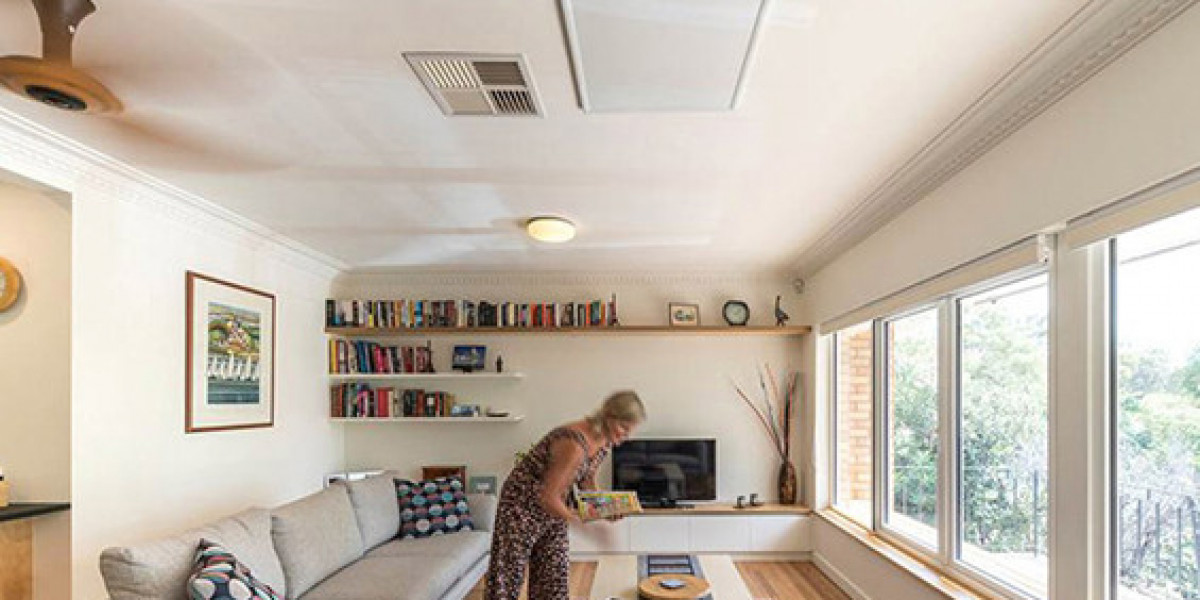

Breathe deeply and embrace the freshness! In a world where we often prioritize energy efficiency and comfort, it's easy to overlook one crucial element of our homes: the air we breathe. Did you know that indoor air can be more polluted than outdoor air? With modern homes becoming increasingly airtight to conserve energy, stale air can lead to an array of health issues and discomfort. Enter the residential air exchanger—a game-changing solution designed to revitalize your living space by enhancing indoor air quality. Say goodbye to musty odors and hello to rejuvenating breezes—let's unlock the secrets of fresher living together!
Understanding the Importance of Good IAQ
Indoor air quality (IAQ) plays a crucial role in our daily lives. Many people are unaware that the air inside their homes can be more polluted than outdoor air. Dust, allergens, and volatile organic compounds (VOCs) accumulate over time, impacting health. Poor IAQ can lead to respiratory issues, headaches, and fatigue. These symptoms often go unnoticed until they become severe. A comfortable living environment relies on clean air free from contaminants.
Good IAQ contributes not just to physical health but also to mental well-being. Fresh air promotes better concentration and mood stability. Family members feel energized when surrounded by healthy indoor environments. Investing in good ventilation systems enhances your home’s atmosphere significantly. Understanding the importance of maintaining high IAQ levels is essential for fostering a safe space for everyone who enters your home.
What is a Residential-Air Exchanger?
A residential-air exchanger, also known as a heat recovery ventilator (HRV) or energy recovery ventilator (ERV), is a mechanical ventilation system that removes stale indoor air and replaces it with fresh outdoor air. This exchange of air helps to improve the overall indoor air quality by reducing moisture, pollutants, and odors.
The main purpose of a residential-air exchanger is to provide proper ventilation in homes, especially in tightly sealed ones where natural airflow may be limited. Inadequate ventilation can lead to a buildup of harmful contaminants such as carbon monoxide, formaldehyde, and volatile organic compounds (VOCs) in the indoor environment. These pollutants can have adverse effects on human health, causing respiratory issues, headaches, fatigue, and other symptoms.
Residential-air exchangers solve this problem by continuously exchanging stale indoor air with fresh outdoor air while retaining most of the temperature and humidity from the outgoing air. This process not only improves indoor air quality but also helps to regulate temperature and humidity levels inside the house.
Apart from improving indoor air quality and regulating temperature and humidity levels, residential-air exchangers offer various other benefits as well. They help reduce condensation on windows during winters when warm humid indoor air meets cold outdoor surfaces. This reduces water damage caused by condensation build-up over time.
How Does a Residential-Air Exchanger Work?
A residential-air exchanger, also known as an air-to-air heat exchanger or a heat recovery ventilator (HRV), is an essential tool for maintaining good indoor air quality in your home. It works by exchanging stale indoor air with fresh outdoor air, while also recovering energy from the exchanged air to help reduce heating and cooling costs.
The basic principle of how a residential-air exchanger works is simple. The system consists of two separate ventilation ducts that run parallel to each other – one bringing in fresh outdoor air and the other extracting stale indoor air. As the two airstreams pass through the unit, they are kept separate but exchange heat through a special core made of a high-tech material such as aluminum or plastic.
During the winter months, when there is more heating demand, the warm outgoing stale indoor air transfers its heat energy to the incoming cold outdoor air via this core. This pre-heats the incoming fresh outdoor air before it enters your home, reducing the strain on your furnace or heater and saving you money on energy bills.
In warmer months, when there is more need for cooling indoors, this process reverses. The cool outgoing stale indoor air transfers its lower temperature to the hot incoming outside supply of fresh coolness by removing some of its excess humidity before it enters your home. This reduces stress on your AC unit and again helps save money on cooling costs.
The Vital Role and Value of the Fresh Air Exchange System
The quality of the air we breathe is crucial to our overall health and well-being. With the majority of our time spent indoors, it is essential to ensure that the air circulating in our homes is clean and fresh. This is where a residential-air exchanger comes into play. A fresh air exchange system, also known as an air exchanger or ventilation system, works by constantly bringing in fresh outside air while expelling stale indoor air. This process helps to improve indoor air quality by removing pollutants, allergens, and other harmful particles from the home.
One vital role of a residential-air exchanger is to regulate humidity levels. High levels of humidity can lead to mold growth and bacteria buildup in the home, which can have detrimental effects on both our health and property. By continuously exchanging indoor and outdoor air, excess moisture is removed from the home, maintaining optimal humidity levels for a healthy living environment.
Furthermore, an efficient fresh-air exchange system also plays a significant role in reducing carbon dioxide levels inside the house. Excess CO2 can cause drowsiness, headaches, and even affect cognitive function over time. By regularly replacing stale indoor air with fresh outside air through proper ventilation techniques like cross-ventilation or heat recovery ventilation (HRV), homeowners can maintain comfortable CO2 levels within their homes.
Choosing the Right Residential-Air Exchanger for Your Home
When selecting a residential-air exchanger, consider the size of your home. An appropriately sized unit ensures optimal airflow and efficiency. If you have a smaller space, a compact model may suffice. Next, think about your climate. Heat Recovery Ventilators (HRVs) work well in colder regions by retaining heat during winter months. In warmer areas, Energy Recovery Ventilators (ERVs) help manage humidity while cooling incoming air.
Don't forget to assess filter options too. High-efficiency particulate air filters can trap allergens and pollutants effectively. Another important factor is noise level. Some models operate quietly, which is essential for comfort in living spaces or bedrooms. Lastly, check for warranties and customer support from manufacturers to ensure peace of mind with your investment. Your choice impacts both indoor air quality and energy efficiency significantly.
House Fresh Air System for Better Overall Health and Well-being
The quality of air we breathe in plays a significant role in our overall health and well-being. This is especially true for those who spend most of their time indoors, such as in their homes. Unfortunately, the air inside our houses can often be more polluted than the air outside due to various factors such as poor ventilation, dust, allergens, and pollutants from household products. However, there is a solution to this problem – installing a house fresh air system or residential-air exchanger. This system works by exchanging stale indoor air with fresh outdoor air, creating a continuous flow of clean and healthy air inside your home.
One of the main benefits of having a house air system is improved indoor air quality. With its constant supply of fresh outdoor air, it reduces the concentration of pollutants and allergens that can cause respiratory problems and other health issues. This is especially beneficial for individuals with allergies or asthma as it helps alleviate symptoms and create a more comfortable living environment.
Furthermore, a house air system also helps regulate humidity levels inside your home. Excessive moisture can lead to mold growth and trigger respiratory issues while low humidity levels can cause dry skin and irritation. By exchanging the humid inside air with drier outdoor air during summer months and vice versa during winter months, it creates an ideal level of humidity for better comfort and health.
The Importance of Choosing the Fresh Air Ventilation
When it comes to maintaining good indoor air quality, fresh air ventilation plays a crucial role. It ensures that the air inside our homes is constantly circulating and being replenished with clean, oxygen-rich outdoor air. This not only improves the overall comfort of our living space but also has a significant impact on our health.
One of the main reasons why choosing a good fresh-air ventilation system is important is because it helps to remove stale and potentially harmful indoor air. Indoor pollutants such as dust, bacteria, viruses, and volatile organic compounds (VOCs) can accumulate in our homes over time if not properly ventilated. These pollutants can have adverse effects on our respiratory health and lead to allergies, asthma, or even more serious conditions.
Moreover, without proper ventilation, excess moisture can build up in our homes from activities like cooking, showering or doing laundry. This creates an ideal breeding ground for mold and mildew growth which not only affects the structural integrity of our homes but also poses health risks for individuals with respiratory issues. On the other hand, a well-functioning fresh-air ventilation system helps to control humidity levels by bringing in dry outdoor air and removing moist indoor air. This prevents mold growth and protects against potential water damage.
Conclusion
Maintaining good indoor air quality is essential for the health and comfort of your home. A residential air exchanger plays a pivotal role in achieving this goal. By continuously replacing stale, contaminated indoor air with fresh outdoor air, these systems help create a healthier living environment. Not only do they enhance IAQ, but they also contribute to energy savings while regulating humidity levels. This can lead to improved overall well-being for you and your family by reducing allergens, odors, and pollutants commonly found indoors.
FAQs
What Is A Residential Air Exchanger?
A residential-air exchanger, also known as an energy recovery ventilator (ERV) or heat recovery ventilator (HRV), is a mechanical ventilation system that brings in fresh outdoor air and removes stale indoor air from a home. It uses a heat exchange process to transfer the temperature and humidity of the outgoing air to the incoming air, making it more comfortable for your home.
How Does A Residential-Air Exchanger Improve Indoor Air Quality?
An air exchanger helps improve indoor air quality by constantly circulating fresh outdoor air into your home and removing stale, polluted indoor air. It helps reduce the buildup of pollutants such as dust, allergens, and chemicals, which can cause health issues like allergies, asthma, and respiratory problems.
Can I Install An Air Exchanger In Any Type Of Home?
Yes, you can install an air exchanger in any type of home – new construction or retrofit. They are suitable for single-family homes, apartments, townhouses, and even mobile homes.
Related Business Listings |