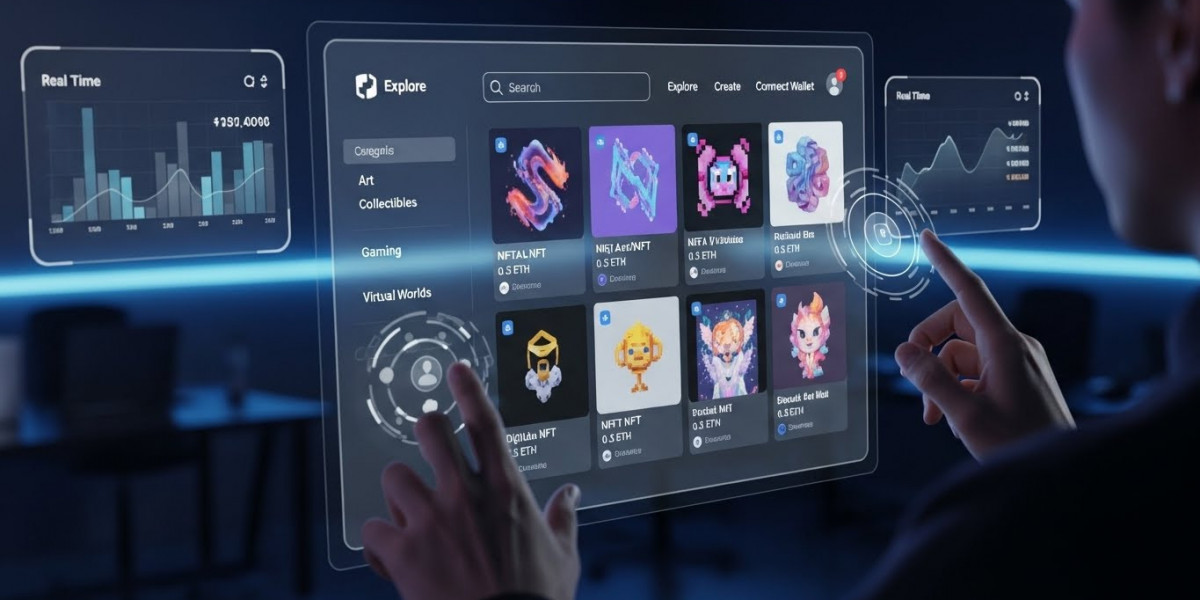

The rise of blockchain technology has dramatically transformed the way digital assets are created, traded, and valued, and nowhere is this more evident than in the digital art sector. Artists are now able to reach global audiences without intermediaries, and collectors can securely acquire unique pieces with verifiable ownership. NFT marketplace development plays a central role in this revolution, providing the platforms and infrastructure necessary to tokenize artwork, facilitate transparent transactions, and create new revenue streams for creators. These marketplaces are not only reshaping the art market but also redefining concepts of authenticity, scarcity, and value in the digital era, enabling artists and collectors to engage in a secure and innovative ecosystem.
Democratization of Art Ownership
NFT marketplaces are redefining who can participate in the art market. Previously, ownership of valuable art was often restricted to elite collectors or institutions, leaving many enthusiasts unable to access or invest in digital creations. NFT marketplace development eliminates these barriers by providing platforms that enable anyone to own, trade, and invest in digital artworks. This shift is creating a more inclusive and participatory ecosystem where art can reach a broader audience and ownership is no longer limited by geography or wealth.
Access for Everyone: Anyone with internet access can buy, sell, or invest in digital art, creating a more inclusive environment.
Fractional Ownership: NFTs allow multiple individuals to own a portion of a high-value artwork, making investing more accessible.
Transparent Provenance: Each artwork’s ownership history is recorded on the blockchain, ensuring authenticity and traceability.
Empowering Artists with Direct Monetization
One of the most revolutionary aspects of NFT marketplaces is the financial empowerment they provide to creators. In traditional art systems, artists often rely on galleries, agents, or intermediaries to sell their work, limiting their revenue and exposure. With NFT marketplace development, creators can list their works directly, set prices, and gain immediate access to global buyers. This model also supports smart contracts that deliver ongoing royalties, allowing artists to benefit from future sales and build sustainable income streams.
Direct Sales: Artists can sell their digital work directly to collectors without intermediaries, maximizing profits.
Automatic Royalties: Smart contracts ensure that creators earn a percentage of every secondary sale, sustaining long-term income.
Global Exposure: Artists can reach audiences worldwide, increasing visibility and potential earnings.
Enhancing Transparency and Security
Security and transparency are among the most critical advantages of NFT marketplaces. In traditional markets, verifying authenticity and provenance has often been difficult, leading to fraud and disputes. NFT marketplace development ensures that every transaction is recorded on the blockchain, creating an immutable ledger that confirms ownership and originality. Collectors gain confidence in their purchases, while artists have assurance that their work cannot be copied or misrepresented, fostering trust in digital art trading.
Immutable Records: Each NFT transaction is permanently recorded, preventing disputes over ownership.
Forgery Prevention: Digital art cannot be duplicated without detection, maintaining authenticity and value.
Decentralized Control: Marketplaces operate without a central authority, reducing risks of manipulation or fraud.
Expanding Global Reach and Community Engagement
NFT marketplaces allow artists and collectors to connect across borders, creating communities that were previously impossible in the physical art world. By providing global visibility, these platforms enable artists to reach international buyers and build fanbases around their work. Community features, such as following artists, participating in auctions, and joining interest-based groups, foster engagement and collaboration. The combination of accessibility and connectivity ensures that digital art can thrive in a vibrant, interactive ecosystem where artists and collectors are closely linked.
Global Accessibility: Artists can showcase and sell their work internationally, without geographic limitations.
Community Interaction: Features like following artists, participating in auctions, and joining interest-based groups create active engagement.
Collaboration Opportunities: Digital communities encourage collaborations and networking among artists and collectors.
Driving Innovation in Digital Art Forms
NFT marketplaces are at the forefront of pushing creative boundaries. Artists can experiment with formats that traditional galleries cannot accommodate, such as 3D designs, animations, AI-generated works, and interactive experiences. This innovation is supported by platforms that integrate virtual reality, augmented reality, and gamification, enabling audiences to engage with art in immersive ways. NFT marketplace development encourages creators to explore new ideas and technologies, fostering a dynamic environment where digital art evolves rapidly, and collectors can experience art beyond static images.
Diverse Mediums: Artists explore 3D models, animations, AI-generated art, and interactive designs.
Immersive Experiences: Integration with AR, VR, and gamification allows audiences to experience art in unique ways.
Creative Freedom: Marketplaces provide tools and support for artists to push the boundaries of digital art.
Transforming Collectibles and Digital Culture
NFT marketplaces are changing how digital assets and collectibles are perceived, traded, and valued. Beyond traditional artworks, items such as virtual trading cards, avatars, and in-game assets can now be tokenized, making them scarce and tradable. This innovation creates monetization opportunities for creators and a new cultural layer for collectors. NFT marketplace development ensures that these assets maintain authenticity, can be securely transferred, and hold lasting significance in digital communities, reshaping how digital culture and value are understood.
Unique Digital Assets: Virtual items like avatars, trading cards, and in-game items can be tokenized and traded.
Monetization for Creators: Developers and artists can profit from creating and selling digital collectibles.
Cultural Impact: Ownership of digital assets is changing how value is perceived in entertainment, gaming, and online culture.
Conclusion
The impact of NFT marketplace development on the digital art world is profound, reshaping how art is created, owned, and traded. By providing secure platforms, transparent transactions, and global accessibility, NFT marketplaces empower artists to monetize their work directly while ensuring collectors can verify authenticity and ownership. These innovations encourage creative experimentation, foster vibrant digital communities, and transform digital collectibles into valuable assets. As NFT marketplaces continue to evolve, they are establishing a more inclusive, dynamic, and sustainable ecosystem that is redefining the future of art in the digital era.