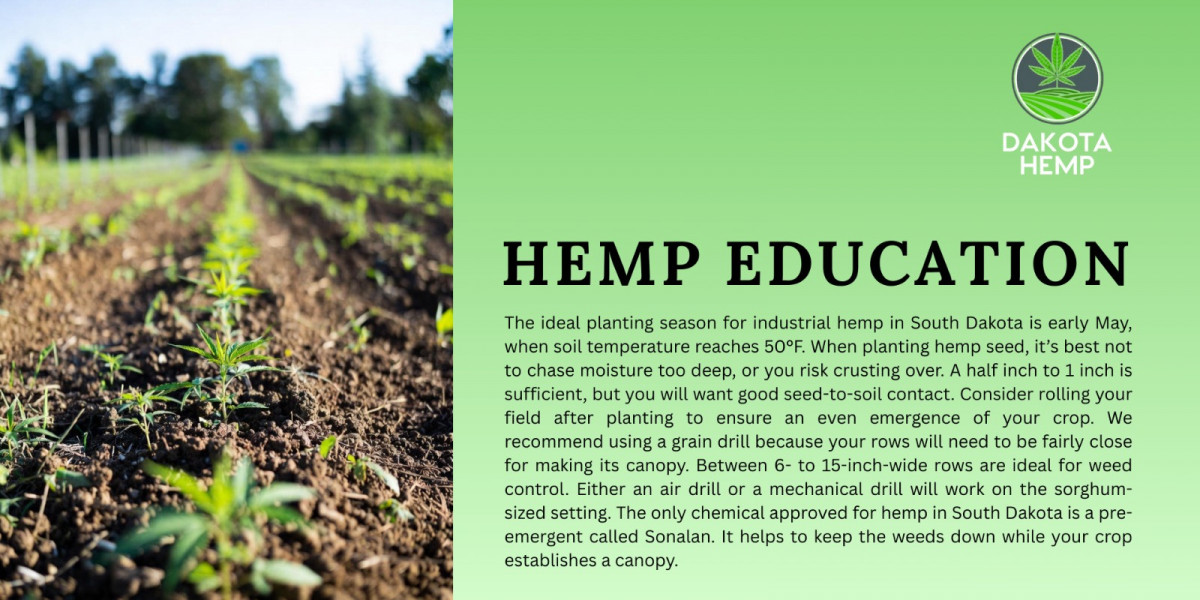

Comprehensive Guide to Industrial Hemp Planting for High-Yield Crops
Industrial hemp planting is becoming increasingly popular among farmers in the United States due to its versatility and profitability. From fiber production to grain and CBD extraction, planting hemp efficiently requires understanding the science behind seeding, spacing, and agronomy practices. To start your industrial hemp journey, explore detailed resources like Dakota Hemp that provide high-quality seeds and guidance for growers. In this guide, we will cover everything from hemp seeding rate and planting depth to row spacing, fiber hemp planting density, and grain hemp planting.
Understanding Industrial Hemp Agronomy
Industrial hemp agronomy involves understanding the ideal conditions, soil types, and cultivation methods that lead to a successful harvest. Hemp is adaptable to a wide range of soils but performs best in well-drained, loamy soil with a pH between 6.0 and 7.5. Farmers must also consider climatic conditions, as hemp thrives in regions with warm growing seasons and moderate rainfall. Knowing how to plant industrial hemp properly ensures healthy growth and reduces pest and disease risks.
Hemp Seeding Rate and Planting Density
Determining the correct hemp seeding rate is critical for optimizing yield. For fiber production, higher planting densities are recommended, typically around 60–90 pounds per acre, which encourages tall, slender stalks. In contrast, grain hemp planting requires a lower density of about 30–50 pounds per acre to allow for larger seed heads. Fiber hemp planting density should be carefully managed to balance stem quality with biomass output.
Hemp Seed Depth for Optimal Germination
Planting hemp seeds at the correct depth is essential for strong germination. Seeds should be planted approximately 0.5 to 1 inch deep. Shallow planting can result in poor root development, while overly deep planting may hinder seedling emergence. Maintaining the right hemp seed depth ensures uniform crop establishment and promotes healthy growth during the early stages of development.
Hemp Row Spacing Techniques
Hemp row spacing varies depending on the intended use of the crop. For fiber hemp planting, narrow row spacing of 6 to 8 inches encourages vertical growth, producing longer stalks ideal for textiles. Grain hemp planting benefits from wider row spacing of 12 to 18 inches, allowing better airflow, sunlight penetration, and easier harvesting. Adjusting hemp row spacing according to crop purpose can maximize overall yield and quality.
Hemp Planting Guide for New Growers
A step-by-step hemp planting guide helps new growers understand the essential processes involved in industrial hemp planting. Start by preparing the soil through tillage and nutrient testing, then sow seeds at the recommended depth and seeding rate. Irrigation may be necessary depending on local rainfall. Throughout the growing season, monitor plant growth and consider crop rotation to maintain soil health. Following a structured hemp planting guide reduces risks and improves production outcomes.
Industrial Hemp Planting Rate per Acre
Calculating the correct hemp planting rate per acre ensures that the crop reaches optimal density without overcrowding. Fiber hemp planting density generally ranges from 30,000 to 50,000 plants per acre, while grain hemp planting typically ranges from 10,000 to 20,000 plants per acre. Adjusting the seeding rate to match soil fertility and expected germination rates helps achieve uniform stands and higher yields.
Fiber Hemp Planting for Textile Production
Fiber hemp planting focuses on producing tall, robust stalks suitable for ropes, textiles, and biocomposites. Higher planting densities and narrow row spacing encourage vertical growth. Proper nutrient management, including nitrogen application, enhances fiber quality. Consistent monitoring of plant health and timely harvesting ensures maximum fiber yield and quality for industrial applications.
Grain Hemp Planting for Seed Production
Grain hemp planting aims to produce high-quality seeds for food, oil, and nutraceutical use. Lower planting densities and wider row spacing provide space for seed heads to develop fully. Grain hemp planting also requires careful attention to pollination management, as seed production is influenced by the ratio of male to female plants. Proper agronomic practices result in abundant seed yield and high oil content.
Common Challenges in Industrial Hemp Planting
Despite its adaptability, industrial hemp planting faces challenges such as weed competition, pest infestations, and uneven germination. Implementing best practices for soil preparation, seedbed management, and crop rotation can mitigate these issues. Farmers should also monitor for fungal diseases and adjust irrigation to prevent water stress. Awareness of these challenges allows growers to make informed decisions and maintain sustainable hemp production.
Benefits of Proper Industrial Hemp Planting
Proper industrial hemp planting maximizes both yield and quality. Fiber hemp provides raw materials for textiles, paper, and biodegradable composites. Grain hemp offers nutritional benefits through seeds rich in protein and omega fatty acids. Additionally, well-managed hemp planting supports soil health, reduces the need for chemical inputs, and contributes to environmentally friendly agricultural practices.
Conclusion
Industrial hemp planting is both an art and a science, requiring careful attention to seeding rates, planting depth, row spacing, and agronomic practices. Whether producing fiber for textiles or seeds for food, following a structured hemp planting guide ensures higher yields, better quality, and sustainable farming practices. By understanding industrial hemp agronomy and managing planting density effectively, farmers can maximize the crop’s potential while supporting soil health and environmental sustainability. Proper industrial hemp planting lays the foundation for a successful harvest and long-term profitability in the hemp industry.
FAQs About Industrial Hemp Planting
Q: What is the recommended hemp seeding rate for fiber production?
A: For fiber hemp planting, the seeding rate is typically 60–90 pounds per acre to encourage tall, slender stalks suitable for textile use.
Q: How deep should I plant hemp seeds?
A: Hemp seed depth should be approximately 0.5 to 1 inch to ensure strong germination and healthy early growth.
Q: What is the ideal hemp row spacing for grain hemp planting?
A: Grain hemp planting benefits from row spacing of 12 to 18 inches, which allows better airflow, sunlight, and seed development.
Q: How do I calculate the hemp planting rate per acre?
A: Consider the crop purpose, expected germination rate, and desired plant density. Fiber hemp typically requires 30,000–50,000 plants per acre, while grain hemp ranges from 10,000–20,000 plants per acre.
Q: Can industrial hemp planting improve soil health?
A: Yes, hemp roots enhance soil structure, reduce erosion, and can help with nutrient cycling, making it a sustainable crop choice.
Q: What is the difference between fiber and grain hemp planting density?
A: Fiber hemp planting density is higher to produce taller stalks, while grain hemp requires lower density for optimal seed development and easier harvest.
Q: How do I manage pests and weeds during industrial hemp planting?
A: Proper soil preparation, crop rotation, and monitoring for pests and weeds help maintain healthy hemp growth. Avoid excessive chemical use to remain compliant with agricultural standards.