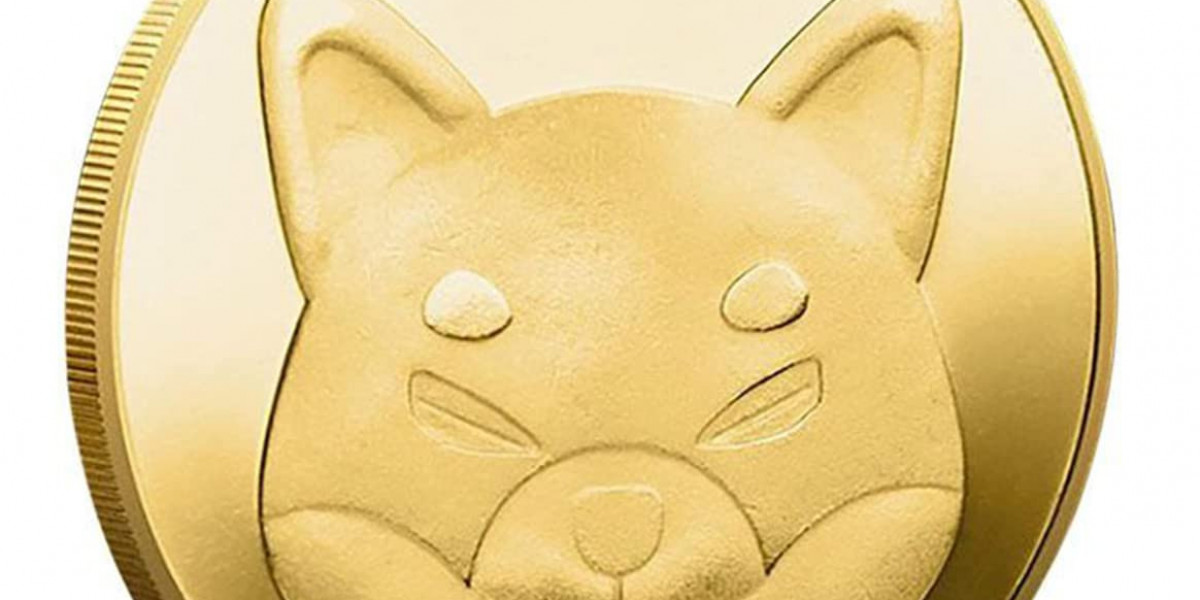

Shiba Inu Token Burns play a central role in shaping the long-term supply mechanics and price dynamics of the Shiba Inu (SHIB) ecosystem. Launched in 2020 by the pseudonymous creator Ryoshi, Shiba Inu started with a massive initial supply of one quadrillion tokens. In this article, we explore how Shiba Inu token burns work, why they matter, and how they influence supply, demand, investor sentiment, and long-term price potential.
What Are Token Burns in the Shiba Inu Ecosystem?
Token burning refers to the permanent removal of tokens from circulation by sending them to an irretrievable wallet address, commonly known as a “dead wallet.” In the Shiba Inu ecosystem, burned tokens cannot be spent, transferred, or recovered.
Shiba Inu token burns are executed through:
Manual community-led burns
Automated burns via ecosystem utilities
Transaction-based burns on Shibarium
Revenue-based burns from SHIB-powered platforms
Each burn reduces the circulating supply, which directly impacts scarcity metrics tracked by platforms such as CoinMarketCap and CoinGecko.
Why Shiba Inu Started With a Massive Supply
Shiba Inu was designed as a community-driven experiment in decentralized finance and meme-based adoption. The initial supply of one quadrillion SHIB tokens allowed:
Ultra-low entry pricing
High accessibility for retail investors
Wide token distribution across wallets
Strong viral growth through social platforms
However, such a large supply also limited price appreciation potential. This structural challenge made Shiba Inu token burns a core economic lever for long-term sustainability.
How Shiba Inu Token Burns Reduce Circulating Supply
Every SHIB token burn permanently decreases the circulating supply. As of recent on-chain data, hundreds of trillions of SHIB tokens have already been burned, including:
The historic burn by Ethereum co-founder Vitalik Buterin
Daily burns initiated by the SHIB community
Automated burns tied to Shibarium transaction fees
Supply reduction is mathematically verifiable on-chain and directly reflected in circulating supply metrics.
Lower supply strengthens scarcity, which is a foundational factor in crypto asset valuation.
The Role of Shibarium in Accelerating Token Burns
Shibarium, Shiba Inu’s Layer 2 blockchain, significantly enhances the burn mechanism. A portion of transaction fees collected on Shibarium is converted into SHIB and permanently burned.
Shibarium burn mechanics introduce:
Continuous, utility-based token destruction
Network activity directly tied to supply reduction
Sustainable burns independent of market hype
As Shibarium adoption increases, transaction volume becomes a key variable influencing the pace of Shiba Inu token burns.
Supply and Demand Dynamics Explained
Price dynamics in crypto markets are governed by supply and demand equilibrium. Shiba Inu token burns directly impact the supply side of this equation.
Key effects include:
Reduced available tokens in circulation
Increased scarcity per remaining token
Higher sensitivity to demand spikes
Improved long-term valuation models
When demand remains constant or increases while supply declines, price pressure tends to shift upward over time.
Impact of Token Burns on SHIB Price Movement
Shiba Inu token burns do not cause instant price increases. Instead, they influence price through gradual structural change.
Observed market effects include:
Reduced sell-side liquidity over time
Stronger price floors during market corrections
Improved long-term holding incentives
Enhanced narrative for scarcity-driven growth
Burn events often coincide with short-term volatility, but their real impact is measured across extended market cycles.
Community-Driven Burns and Investor Sentiment
The Shiba Inu community, known as the SHIB Army, actively participates in burn initiatives. Community-driven burns strengthen:
Investor confidence
Network engagement
Social media visibility
Long-term holding behavior
Burn dashboards, real-time trackers, and transparent reporting reinforce trust and align incentives between developers and holders.
Positive sentiment generated by consistent Shiba Inu token burns often supports accumulation phases.
Utility-Based Burns vs Manual Burns
There are two primary burn categories within the SHIB ecosystem:
Manual Burns
One-time or scheduled burn events
Community or platform-initiated
Often tied to announcements or milestones
Utility-Based Burns
Automated via Shibarium
Linked to ecosystem usage
Sustainable and scalable
Utility-based burns are considered more impactful long term because they align network growth with continuous supply reduction.
Comparison With Other Deflationary Crypto Models
Shiba Inu token burns share similarities with deflationary models used by:
Binance Coin (BNB) quarterly burns
Ethereum’s EIP-1559 fee burns
Avalanche subnet burn mechanisms
What differentiates SHIB is the scale of its initial supply and the community-led nature of burn participation, combined with Layer 2 automation through Shibarium.
On-Chain Transparency and Verifiability
All Shiba Inu token burns are recorded on the Ethereum blockchain and visible through explorers like Etherscan. Transparency ensures:
Verifiable burn amounts
Public wallet tracking
Accurate circulating supply data
Trust in token economics
This transparency strengthens SHIB’s credibility among retail and institutional observers.
Long-Term Price Implications of Sustained Burns
Sustained Shiba Inu token burns influence long-term price dynamics through:
Gradual reduction in supply inflation
Improved scarcity ratios
Stronger alignment between utility and value
Enhanced long-term investment narratives
While burns alone do not guarantee price appreciation, they significantly improve SHIB’s structural fundamentals when combined with adoption and ecosystem growth.
Shiba Inu Ecosystem Growth Beyond Burns
Shiba Inu’s ecosystem extends beyond burns and includes:
Shibarium Layer 2
SHIB, BONE, and LEASH token utility
NFT projects and metaverse initiatives
DeFi integrations and payment adoption
Token burns enhance these components by strengthening economic efficiency rather than replacing utility-driven growth.
Conclusion
Shiba Inu Token Burns play a critical role in shaping SHIB’s supply structure and long-term price dynamics. By permanently reducing circulating supply, burns increase scarcity, strengthen investor confidence, and align network usage with economic efficiency. While burns alone do not drive immediate price surges, their cumulative impact supports sustainable valuation growth when combined with Shibarium adoption, ecosystem expansion, and consistent demand. As utility-based burns scale, Shiba Inu continues transitioning from a meme-driven asset into a structured, deflation-aware crypto ecosystem.