

Understanding Goods and Services Tax in India
The Goods and Services Tax (GST) is one of the most significant tax reforms introduced in India to streamline the indirect tax system. Implemented on 1 July 2017, GST replaced multiple indirect taxes such as VAT, service tax, excise duty, and others with a single unified tax structure. The primary objective of GST is to create a transparent, efficient, and simplified taxation system for businesses and consumers.
What Is GST?
GST is a destination-based indirect tax levied on the supply of goods and services. It follows a value-added tax mechanism, where tax is charged at every stage of the supply chain but credit is available for taxes paid on inputs. This system helps avoid cascading of taxes and ensures fair taxation.
Types of GST in India
The GST framework in India consists of the following components:
CGST (Central Goods and Services Tax): Collected by the Central Government on intra-state supplies.
SGST (State Goods and Services Tax): Collected by State Governments on intra-state supplies.
IGST (Integrated Goods and Services Tax): Collected by the Central Government on inter-state supplies and imports.
This structure ensures proper revenue sharing between the Centre and the States.
Who Needs GST Registration?
Businesses are required to register under GST if their turnover exceeds the prescribed threshold limit. Additionally, certain categories such as inter-state suppliers, e-commerce sellers, and service providers under specific conditions must register regardless of turnover. GST registration enables businesses to legally collect tax and claim input tax credit.
Importance of GST Compliance
GST compliance involves timely registration, accurate return filing, and proper record maintenance. Regular compliance helps businesses avoid penalties, interest, and legal notices. It also ensures smooth operations, better financial planning, and improved credibility with vendors and customers.
Input Tax Credit Under GST
One of the key benefits of GST is the Input Tax Credit (ITC) mechanism. Businesses can claim credit for GST paid on purchases used for business purposes, provided the supplier has correctly reported the transaction. Proper reconciliation of returns is essential to maximize ITC benefits.
Impact of GST on Businesses
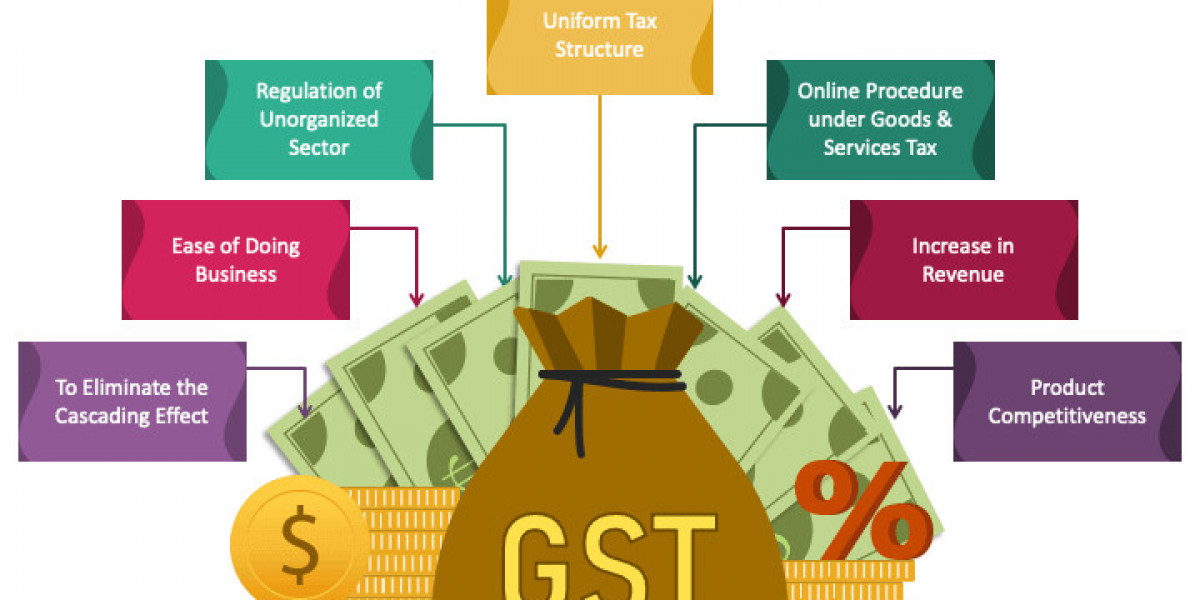
GST has simplified tax administration by bringing uniform tax rates and procedures across the country. It has improved ease of doing business, reduced logistics costs, and increased transparency. However, businesses must stay updated with GST rules and amendments to remain compliant.
Conclusion
Understanding GST is essential for every business operating in India. From registration to return filing and compliance, having clear knowledge of GST provisions helps businesses manage taxes efficiently and avoid unnecessary complications. Staying informed and compliant ensures long-term financial stability and smooth business growth.