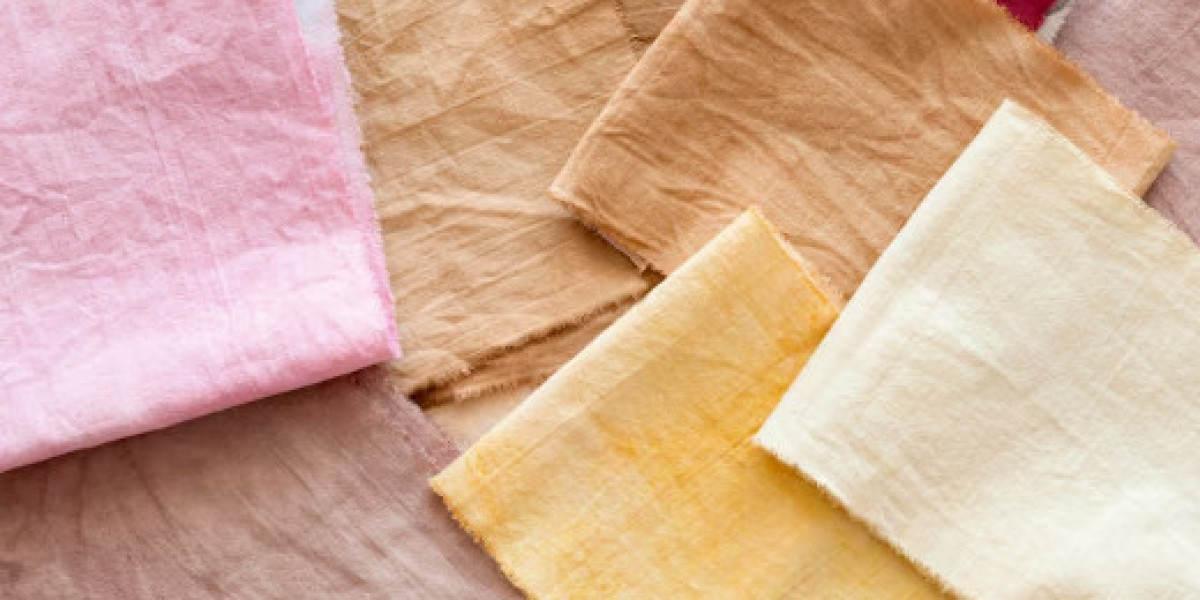

Quilting is both an art and a tradition, combining creativity with craftsmanship. At the heart of every quilt lies the fabric choice, which determines not only how the quilt looks but also how it feels, wears, and lasts over time. Among the many fabric options available today, quilting cottons and natural cotton for quilting remain the most popular and trusted choices for quilters of all skill levels. Understanding their characteristics, benefits, and best uses can help you create quilts that are beautiful, durable, and meaningful.
What Are Quilting Cottons?
Quilting cottons are specifically manufactured cotton fabrics designed for quilt-making. They are usually woven from 100% cotton fibers in a tight, plain weave that provides stability and ease of handling. Unlike fashion cottons or home décor fabrics, quilting cottons are made with precision to ensure consistent weight, thread count, and colorfastness.
One of the key reasons quilters prefer quilting cottons is their predictability. The fabric does not stretch excessively, making it easier to cut precise shapes and sew accurate seams. This stability is especially important when working with intricate patterns, patchwork blocks, or detailed appliqué designs.
Why Natural Cotton for Quilting Is So Popular
Natural cotton for quilting refers to cotton fabric made from natural fibers without synthetic blends. This fabric is breathable, soft, and comfortable, making it ideal for quilts that will be used daily. Because cotton is a natural material, it responds well to washing and aging, often becoming softer and more comfortable over time.
Many quilters choose natural cotton for quilting because it aligns with traditional quilt-making practices. Historical quilts were almost exclusively made from natural fibers, and modern quilters often value that connection to the past. Additionally, natural cotton is easier to quilt by hand or machine, as it glides smoothly under needles and produces clean, even stitches.
The Texture and Feel of Quilting Cottons
The texture of quilting cottons is one of their defining features. They typically have a smooth surface with a slightly crisp hand, which helps fabric pieces hold their shape during cutting and sewing. This crispness is particularly helpful for beginners, as it reduces distortion and improves accuracy.
Despite their structure, quilting cottons are not stiff or uncomfortable. When layered with batting and backing, they create quilts that drape well while still maintaining their shape. Over time and repeated washing, the fabric softens, enhancing the quilt’s comfort without compromising durability.
Durability and Longevity
Quilts are often heirloom items, passed down through generations. Choosing the right fabric is essential for ensuring longevity. Both quilting cottons and natural cotton for quilting are known for their durability when properly cared for. The tightly woven fibers resist tearing and fraying, while high-quality dyes maintain their color even after years of use.
Natural cotton for quilting also handles wear and tear well, especially in quilts used as bed coverings or throws. While cotton may wrinkle more than synthetic fabrics, this natural characteristic adds to the charm and authenticity of handmade quilts.
Color, Prints, and Design Versatility
One of the greatest advantages of quilting cottons is the vast range of colors and prints available. From classic florals and geometric designs to modern minimalist patterns, quilting cottons allow quilters to express any aesthetic. Solid colors, tone-on-tone prints, and bold motifs all work well in quilting projects.
Natural cotton for quilting is often available in both printed and solid options, including unbleached and neutral shades. These natural tones are perfect for traditional quilts, modern farmhouse styles, or minimalist designs where texture and craftsmanship take center stage.
Ease of Sewing and Quilting
Both quilting cottons and natural cotton for quilting are user-friendly fabrics. They cut cleanly, press well, and respond predictably to sewing machines and hand stitching. This ease of use makes them ideal for complex projects involving multiple layers and detailed piecing.
When quilting through layers, cotton fabric pairs well with cotton batting, creating a cohesive quilt sandwich that is easy to manage. The needle passes smoothly through the layers, reducing skipped stitches and thread breakage.
Pre-Washing and Fabric Preparation
Many quilters choose to pre-wash quilting cottons to remove sizing and prevent future shrinkage. Natural cotton for quilting may shrink slightly on the first wash, so pre-washing ensures that the finished quilt maintains its shape after laundering. Whether you pre-wash or not often depends on personal preference and the desired finished look.
Pressing fabric before cutting is another important step. Quilting cottons press flat easily, allowing for accurate measurements and crisp seams, which are essential for professional-looking results.
Sustainability and Natural Appeal
Natural cotton for quilting is often favored by quilters who value sustainability and eco-conscious crafting. Cotton is biodegradable and renewable, making it a more environmentally friendly option than synthetic fabrics. Many quilters appreciate working with natural fibers that feel authentic and timeless.
Using quilting cottons made from natural fibers also enhances the tactile experience of the quilt. The softness, breathability, and warmth of cotton contribute to the overall comfort of the finished piece.
Choosing the Right Fabric for Your Project
When selecting between different quilting cottons, consider the purpose of your quilt. A heavily used bed quilt may benefit from tightly woven, high-quality cotton, while a decorative wall hanging allows for more creative freedom in print and texture. Natural cotton for quilting is especially well-suited for baby quilts, throws, and heirloom projects due to its softness and breathability.
Matching fabric quality across all quilt components—top, backing, and binding—ensures a cohesive and durable final product.
Conclusion
Quilting is a craft built on tradition, creativity, and careful material choices. Quilting cottons provide the stability, versatility, and beauty that quilters rely on, while natural cotton for quilting offers comfort, authenticity, and long-lasting quality. Together, these fabrics form the foundation of countless quilts, from simple beginner projects to intricate works of art.