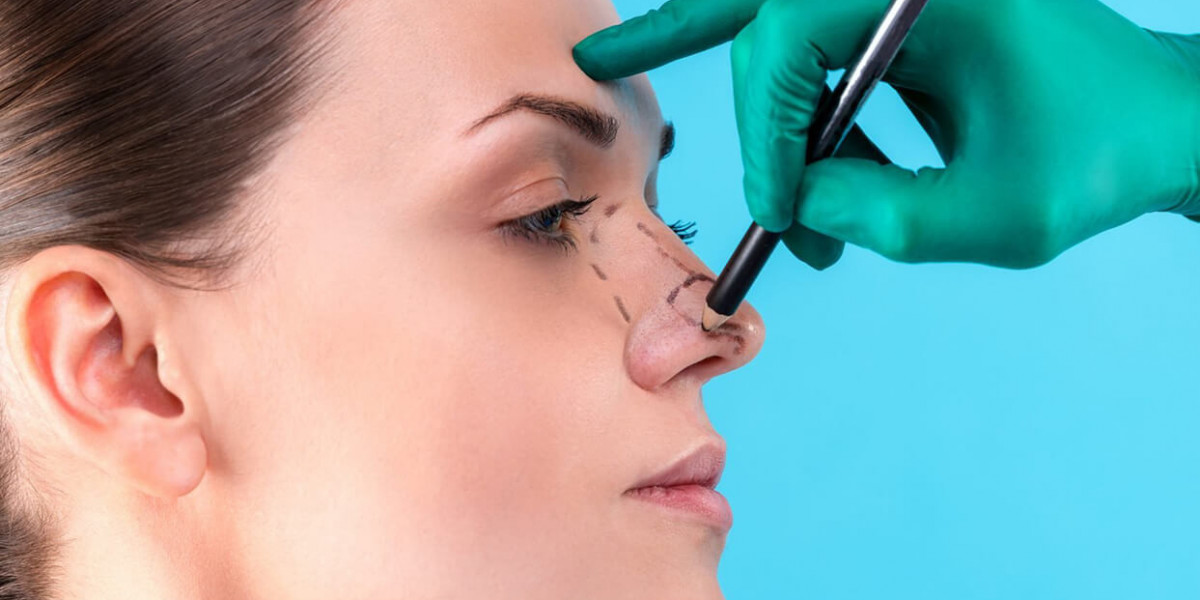

Skin type plays a significant role in rhinoplasty recovery, influencing how the nose heals, how swelling and bruising manifest, and the final aesthetic outcome. Patients undergoing rhinoplasty in Riyadh, like anywhere else, must understand that their skin’s thickness, elasticity, and oiliness can affect both the immediate post-operative period and long-term results. Surgeons consider skin type when planning surgery, choosing techniques, and advising on post-operative care to ensure optimal outcomes and smooth recovery. Rhinoplasty in Riyadh has become increasingly popular for those seeking both aesthetic enhancement and functional improvements to their noses.
1. Understanding Different Skin Types and Their Characteristics
Skin type is generally classified based on thickness, oil production, and elasticity. These factors can influence how tissues respond to surgical trauma.
Thick Skin: Thick nasal skin is usually more resistant to minor irregularities in the underlying cartilage and bone. However, it tends to retain swelling for longer periods, which can delay the visibility of refined contours. Thick skin may also be less elastic, which can affect how well it contracts and molds around the new nasal structure.
Thin Skin: Thin nasal skin is more delicate and shows surgical detail more clearly. While it allows for more defined results, it is prone to bruising, swelling, and visible irregularities if the underlying framework is not perfectly smooth. Thin skin also heals more rapidly in some aspects but is less forgiving of minor imperfections.
Combination or Oily Skin: Some patients may have a combination of thick and thin areas, particularly at the nasal tip and bridge. Oiliness can affect healing by increasing the risk of clogged pores or acne in the recovery period, potentially leading to mild irritation around the nose.
2. Impact on Swelling and Bruising
Skin thickness directly affects how swelling and bruising present after rhinoplasty. Patients with thicker skin often experience more prolonged swelling because the dense tissue retains fluid longer. Bruising may be less visible under thick skin, but subtle puffiness can mask the final contours for weeks to months.
Conversely, thin-skinned patients tend to show bruising more prominently, especially around the eyes and upper cheeks, but swelling generally resolves faster. Surgeons in Riyadh often advise tailored strategies, such as cold compresses and head elevation, to help manage swelling based on the patient’s skin type.
3. Influence on Surgical Technique
Skin type influences the surgical approach and the techniques used during rhinoplasty.
For patients with thick skin, surgeons may need to focus on stronger structural support through cartilage grafts to ensure that the refined framework can shape the overlying tissue effectively. Thick skin can obscure subtle refinements, so precise adjustments to the nasal bones and cartilage are essential.
For patients with thin skin, surgeons must be meticulous to avoid irregularities becoming visible through the skin. Techniques that smooth the nasal framework and avoid sharp edges are critical. Even minor asymmetries or grafts may be noticeable, so precision is paramount.
Understanding skin type allows surgeons to set realistic expectations for results. Thick skin may lead to a less sharply defined tip initially, while thin skin may show swelling resolution more quickly but expose minor imperfections more readily.
4. Healing and Scar Formation
Skin type also affects scar formation and the overall healing process. Thick skin tends to heal with less visible scarring but can be slower to adjust to the new nasal shape. Thin skin is more prone to visible scars at the incision sites, particularly with open rhinoplasty. Post-operative care, including gentle cleaning, avoiding sun exposure, and using recommended ointments, is crucial for all skin types to promote smooth healing.
Elasticity is another factor. Skin with high elasticity adapts more readily to the underlying changes, helping the nose maintain its new shape. Low elasticity may contribute to prolonged swelling and slower adjustment of the nasal contours.
5. Recovery Timeline Based on Skin Type
Patients with thick skin may notice slower changes in the nasal tip, with final results taking longer to appear. Swelling may persist for several months, particularly in the lower third of the nose, requiring patience and adherence to post-operative care.
Patients with thin skin often see rapid improvement in swelling and bruising, allowing them to observe changes sooner. However, because thin skin shows irregularities more easily, minor imperfections may require careful management or, in some cases, secondary adjustments.
6. Tailored Post-Operative Care
Skin type informs post-operative recommendations. Thick-skinned patients may benefit from longer use of cold compresses, head elevation, and gentle massage (if approved) to reduce swelling. Thin-skinned patients may require careful protection from trauma and sun exposure to avoid irritation and discoloration. Skincare routines during recovery, including moisturizing and gentle cleansing, are adapted to prevent complications and support healing.
7. Psychological Considerations
Understanding how skin type affects recovery helps manage patient expectations. Thick-skinned patients may need reassurance that the nose will gradually reveal its refined shape over months, while thin-skinned patients need guidance on temporary bruising and visibility of minor imperfections. Realistic expectations reduce anxiety and contribute to satisfaction with the final outcome.
Conclusion
Skin type significantly impacts rhinoplasty recovery, influencing swelling, bruising, healing, and the visibility of surgical refinements. Thick skin retains swelling longer and may obscure subtle definition, while thin skin shows bruising more clearly and requires meticulous surgical technique. Understanding these differences allows surgeons to tailor the procedure and post-operative care, ensuring optimal healing and patient satisfaction. Patients in Riyadh can achieve the best outcomes by combining expert surgical planning with skin-type-specific recovery strategies and patience during the healing process.