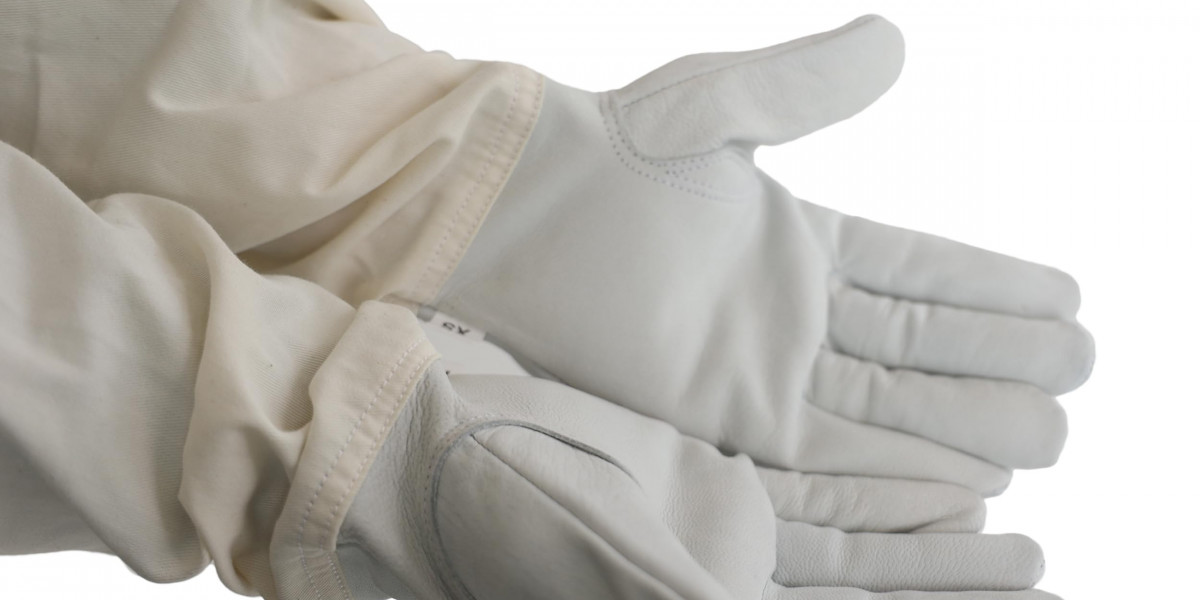

Starting beekeeping can feel overwhelming, especially during the first few hive inspections, and choosing reliable leather gloves from Bebees helps new beekeepers feel protected and confident from day one. Bees flying close to your hands can trigger fear, which often leads to rushed movements or hesitation. Leather beekeeping gloves provide strong sting protection, reduce anxiety, and allow beginners to move calmly and steadily inside the hive. When hands feel safe, movements slow down naturally, helping bees remain relaxed.
Why New Beekeepers Need Extra Protection
New beekeepers are still learning how bees react to sound, movement, and pressure. Without experience, even small mistakes can disturb the hive.
Leather gloves help beginners by:
Blocking most bee stings
Reducing pain from unexpected stings
Preventing panic reactions
Encouraging slow, careful movements
This added protection allows beginners to focus on learning instead of worrying about being stung.
Leather Gloves Build Confidence Inside the Hive
Confidence is critical in early beekeeping. When hands feel protected, the body relaxes, and relaxed movements help keep bees calm.
Leather gloves act as a strong safety barrier. They absorb stings and prevent sudden pain that could cause jerky reactions. This allows beginners to complete inspections smoothly and develop good handling habits early.
Why Leather Is the Best Starting Material
Leather offers the right balance of durability, comfort, and protection for beginners.
Leather gloves are ideal because they:
Provide reliable sting resistance
Hold up well during repeated inspections
Offer a secure grip on frames
Support steady, controlled handling
Thicker leather offers maximum protection, while softer leather provides slightly better flexibility. Both options are suitable for beginners.
Why Thin Gloves Are Better Later
Thin gloves offer excellent sensitivity, but they are better suited for experienced beekeepers.
For beginners, thin gloves may:
Increase fear of stings
Cause sudden reactions when stung
Reduce confidence during inspections
Starting with leather gloves allows beginners to learn calm handling first. Sensitivity can be explored later as experience grows.
Proper Fit Improves Safety and Control
Even the best leather gloves can become a problem if they do not fit properly.
A good glove fit should:
Feel snug but comfortable
Allow full finger movement
Stay secure during inspections
Avoid excess material at the fingertips
Proper fit improves control and reduces mistakes that could stress bees.
Comfort Matters During Longer Inspections
Beginner inspections often take more time. Uncomfortable gloves can cause fatigue and frustration.
Leather gloves support comfort by:
Providing a natural feel
Allowing steady grip
Offering better airflow than some synthetic gloves
Comfortable hands help beginners stay patient and focused.
Keeping Leather Gloves Clean
Dirty gloves carry hive odors and alarm pheromones that can irritate bees.
To keep leather gloves effective:
Brush off debris after use
Allow gloves to air-dry properly
Avoid strong smells or chemicals
Clean gloves support calmer hive behavior.
Growing With Experience
As beginners gain confidence, they may experiment with lighter gloves during calm inspections. This transition should be gradual and based on comfort and hive temperament.
There is no need to rush. Many experienced beekeepers continue using leather gloves depending on conditions.
Final Thoughts
Leather beekeeping gloves offer new beekeepers a safe and confident start. Strong sting protection, durability, and comfort help reduce fear and prevent sudden movements. By starting with leather gloves, beginners can develop calm handling skills and positive habits that last. When hands feel protected, bees feel less threatened — making beekeeping safer, smoother, and more enjoyable from the very beginning.