
Key Elements of a Real-Estate Photography Contract
1. Introduction and Parties Involved
This section identifies the document as a photography services agreement. Provide the date on which the agreement will become effective (often the date on which it is signed). Include the details of both parties involved: the hiring party (client) and the photographer.
2. Scope of Work
Clearly define the scope of the project, including:
The address of the property being photographed.
Key areas that will be captured.
Scheduled date of the shoot and delivery of final images.
The number and format of photos to be delivered.
Services included (e.g., HDR editing, Commercial real estate editing ,flambient editing, virtual staging).
Number of post-production hours covered.
Method of delivery (e.g., email, cloud storage link, USB).
3. Payment Terms
Specify the payment details, including:
Total fee for the photography services.
Deposit amount and due date.
Payment schedule for the remaining balance.
Any additional fees for travel, overtime, or extra services.
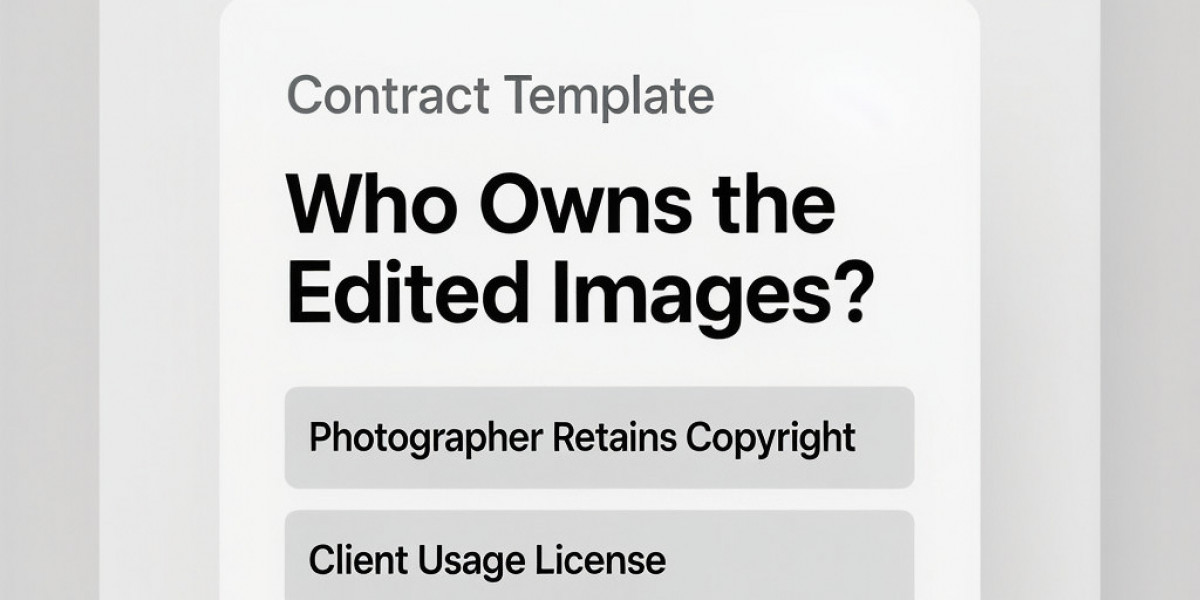
4. Image Ownership and Licensing
This is one of the most critical sections of the contract. Clearly state who owns the images and how they can be used:
Ownership: Under U.S. copyright law, the photographer typically owns the images. However, the contract can specify that the hiring party will own the images if agreed upon.
Licensing: If the photographer retains ownership, specify the licensing terms. This includes where, when, and how the images can be used. For example, standard licensing might cover single-property listings, while extended licensing allows for broader use.
5. Usage Rights
Detail the usage rights granted to the client:
Commercial Use: Specify if the images can be used for commercial purposes, such as marketing materials, websites, or print ads.
Duration: Define the duration of the license. For example, the license might be valid for one year, after which the client needs to renew it.
Additional Uses: Outline any additional uses that require separate licensing or permission.
6. Property Release
Include a property release agreement to ensure the client has the right to use the images of the property for commercial purposes. This protects both the photographer and the client from potential legal issues.
7. Model Release
If people are included in the photos, include a model release agreement to obtain their consent for commercial use.
8. Travel and Expenses
Address travel expenses, especially if the photographer needs to travel to the property location. Options include a flat fee or reimbursement based on mileage.
9. Additional Services
Specify any additional services provided, such as manual blending, single exposure editing, or architecture retouching. Include any extra fees for these services.
10. Termination and Cancellation
Outline the procedures for termination or cancellation of the contract. Include any penalties or fees for early termination.
11. Dispute Resolution
Define the procedures for resolving disputes, including mediation or arbitration.
12. Signatures
Ensure both parties sign the contract to make it legally binding.
Sample Contract Clause on Image Ownership
Here’s a sample clause you can include in your contract:
Image Ownership and Licensing:
Ownership: The photographer retains all rights, title, and interest in the photographs, including copyrights, unless otherwise agreed in writing.
Licensing: The photographer grants the client a limited license to use the photographs for the purposes specified in this agreement. The client agrees to use the photographs only as permitted by this license.
Commercial Use: The client may use the photographs for commercial purposes related to the property listed in this agreement. Any additional use requires a separate license and payment.
Conclusion
Creating a comprehensive real-estate photography contract is essential for protecting both the photographer’s and the client’s interests. By clearly defining the scope of work, payment terms, image ownership, and usage rights, you can prevent misunderstandings and ensure a smooth working relationship. Whether you’re working on commercial real estate editing, Architecture editing, high-end real estate retouching, or property editing, a well-drafted contract is your best tool for success.
Remember, consulting with a legal professional can help tailor your contract to your specific needs and ensure it complies with local laws and regulations.