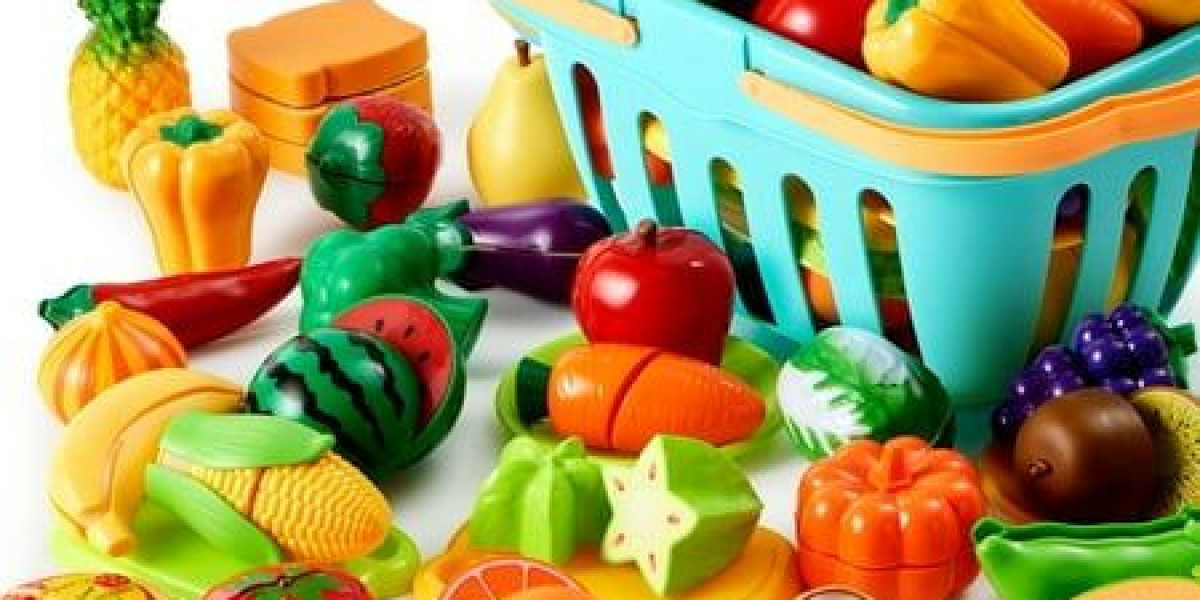

Playtime is often when children explore the world around them, experimenting with roles, activities, and creativity. One of the most engaging ways they do this is through toy food. These miniature meals, from tiny fruits and vegetables to miniature desserts, allow children to step into the role of little chefs and embark on big adventures in their own imaginations. Toy food turns kitchens into creative playgrounds, inspiring storytelling, problem-solving, and hands-on learning.
The Joy of Pretend Cooking
Children love to imitate adult activities, and cooking is a natural fascination. Toy food gives them the tools to explore culinary worlds safely and creatively. A pretend kitchen, complete with tiny pizza slices, pancakes, or sushi, transforms into a stage for role-playing adventures.
Whether they are hosting a tea party for stuffed animals or running an imaginary café, children are not just playing—they are experimenting with social roles, learning organization, and practicing decision-making. This type of play allows children to create elaborate stories, building confidence as they take charge of their little culinary world.
Boosting Creativity Through Open-Ended Play
What makes toy food so special is its open-ended nature. Unlike electronic toys that dictate action, toy food allows children to decide how to use it. A slice of cake can be a treasure, a burger can become a spaceship, and vegetables can transform into characters for a jungle adventure.
This flexibility nurtures creativity and imagination. Children learn to problem-solve, invent stories, and explore multiple possibilities with the same set of toys. Each play session becomes a new adventure, keeping them engaged and curious.
Educational Benefits in Disguise
Beyond imaginative play, toy food supports important developmental skills. Manipulating small pieces improves fine motor skills and hand-eye coordination. Sorting fruits, stacking pancakes, or arranging plates enhances spatial awareness and organization.
Toy food also introduces basic learning concepts. Counting items for a pretend order, dividing snacks equally among friends, or pretending to measure ingredients reinforces early math skills. Through play, children acquire foundational knowledge without even realizing they are learning.
Fostering Social Interaction
Toy food naturally encourages collaborative play. When children share a pretend kitchen, serve meals, or host mini restaurants, they learn essential social skills like communication, cooperation, and empathy.
Role-playing as chefs, servers, and customers helps children navigate social dynamics in a safe and controlled environment. They experiment with leadership, practice listening, and negotiate roles, all while having fun. These social experiences provide an early foundation for emotional intelligence and teamwork.
Screen-Free Fun and Engagement
In today’s digital age, providing screen-free play options is more important than ever. Toy food offers children a hands-on, tactile experience that encourages focus and imagination. Instead of passively consuming content, children actively engage with objects, creating stories, arranging meals, and exploring textures.
Screen-free play with toy food fosters mindfulness, concentration, and problem-solving. Children can immerse themselves in the present moment, building valuable skills while enjoying playful exploration.
Realistic Toy Food Sparks Imagination
Many toy food sets are designed to closely resemble real-life meals. The bright colors, shapes, and textures make play more immersive and relatable. Children can recognize familiar foods, experiment with new ideas, and even discuss healthy eating habits during pretend play.
This attention to detail enhances imaginative scenarios, allowing children to create realistic or fantastical stories alike. Toy food becomes a bridge between imagination and reality, providing both fun and educational value.
Supporting Independent Play
Toy food also encourages independent exploration. Children can organize their own kitchens, prepare pretend meals, and experiment with different arrangements on their own. Independent play promotes self-confidence, creativity, and decision-making.
By engaging with toy food independently, children learn to plan, prioritize, and solve problems. Each imaginative session helps them build autonomy while enjoying hours of screen-free entertainment.
Emotional and Social Growth Through Role-Play
Pretend play with toy food allows children to explore emotions and social interactions in a safe space. Acting out family meals, birthday parties, or restaurant scenarios teaches empathy, patience, and understanding. Children learn to take turns, negotiate roles, and manage conflicts, fostering emotional intelligence from a young age.
These experiences help children practice real-world social skills in an imaginative context, preparing them for more complex interactions in school and daily life.
Safe and Mess-Free Creativity
One of the practical benefits of toy food is its safety and convenience. Non-toxic materials and smooth finishes allow children to play freely without risk. Unlike real cooking, there are no hazards from heat, sharp utensils, or food allergies.
Additionally, toy food eliminates messy cleanup. Children can enjoy the experience of cooking, serving, and arranging meals without the stress of cleaning real food, making it an ideal choice for busy parents.
Endless Possibilities in Tiny Packages
The variety of toy food sets ensures endless opportunities for imaginative play. From fruits and vegetables to desserts, fast food, and international cuisine, children can explore diverse scenarios and storytelling possibilities.
Toy food can be combined with dolls, play kitchens, and other accessories, allowing children to create entire communities or elaborate restaurant experiences. The versatility of toy food means that each play session is unique, keeping children engaged and inspired.
Long-Term Appeal and Learning
Toy food has a timeless charm that grows with the child. Toddlers can start by stacking and sorting items, while older children can host elaborate pretend restaurants or culinary adventures. These miniature foods continue to inspire imagination, creativity, and learning throughout childhood.
The combination of play, education, and social interaction ensures toy food remains a valuable addition to any playroom. Children develop cognitive, emotional, and motor skills while having endless fun.
Final Thoughts: Big Adventures From Small Snacks
Toy food proves that even the tiniest items can lead to the biggest adventures. Children step into the role of little chefs, exploring imagination, creativity, and learning through interactive play.
From social interaction and emotional growth to problem-solving and storytelling, toy food provides a world of opportunities in miniature form. Tiny snacks spark big adventures, turning every play session into a rich, meaningful experience where creativity, learning, and fun come together seamlessly.