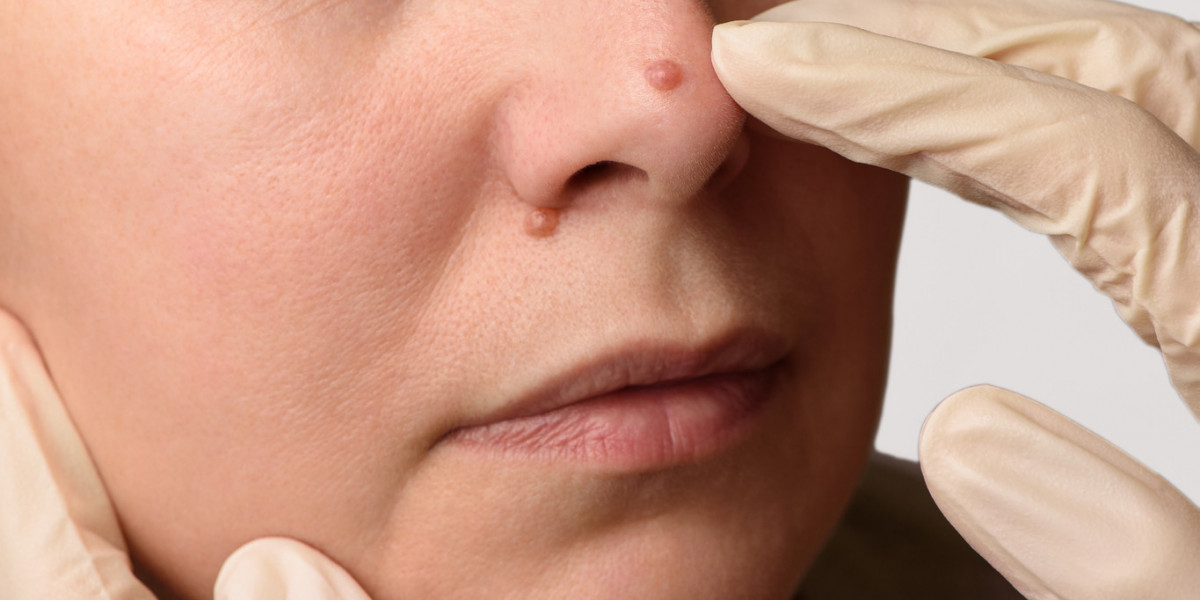

Warts are common skin growths caused by the human papillomavirus (HPV). They can appear anywhere on the body, including hands, feet, face, and other sensitive areas. Although warts are generally benign, they often cause discomfort, cosmetic concerns, or pain, especially when located on weight-bearing areas like the soles of the feet. In Islamabad, patients frequently seek treatment to remove warts. However, an accurate diagnosis before treatment is essential for safe, effective, and long-lasting results. Warts Removal in Islamabad has become easier and more effective with modern techniques that help people achieve clear and healthy skin.
Understanding Warts and Similar Skin Conditions
Warts are sometimes mistaken for other skin conditions, such as skin tags, moles, corns, calluses, or even certain types of benign or malignant growths. While these conditions may appear similar to the untrained eye, their treatment approaches are very different. Treating a non-wart growth as if it were a wart can lead to ineffective results, prolonged discomfort, or even complications.
For example:
Skin Tags: Soft, flesh-colored growths that are harmless and typically removed for cosmetic reasons.
Corns and Calluses: Thickened skin due to pressure or friction, which may require protective padding or smoothing rather than viral-targeted treatments.
Other Skin Lesions: Some benign or malignant lesions may appear wart-like, requiring a different diagnostic and treatment approach.
An accurate diagnosis ensures that patients receive the appropriate treatment tailored to the specific type of growth.
Types of Warts and Their Implications
Different types of warts may require different treatment methods. Some common types include:
Common Warts: Usually appear on fingers, hands, or knees; rough surface; often respond well to topical treatments or cryotherapy.
Plantar Warts: Found on the soles of the feet; may cause pain when walking; often require more aggressive treatments like cryotherapy, laser therapy, or electrocautery.
Flat Warts: Smaller, smoother warts often appearing in clusters on the face or legs; may respond better to topical creams or chemical peels.
Filiform Warts: Long, thin growths, commonly on the face; may require precise removal to avoid scarring.
Correctly identifying the type of wart is critical because it determines the most effective treatment method, minimizes complications, and reduces the risk of recurrence.
Benefits of Accurate Diagnosis Before Treatment
Ensures Effective Treatment
An accurate diagnosis allows dermatologists to select the treatment method that best targets the wart type. For example, plantar warts may require cryotherapy or laser therapy, while small common warts may respond well to topical salicylic acid. Without proper diagnosis, treatment may fail, leading to prolonged discomfort and additional costs.Prevents Misdiagnosis and Complications
Misidentifying a wart can result in inappropriate treatment, which may worsen the condition. Treating a mole or skin lesion as a wart, for instance, could lead to tissue damage, infection, or delayed detection of a serious condition. Accurate diagnosis ensures safe treatment.Reduces Recurrence
Understanding the specific type and depth of the wart helps dermatologists remove it thoroughly. Incomplete removal increases the risk of recurrence. Proper diagnosis allows for precise treatment planning, including follow-up sessions or adjunct therapies to prevent regrowth.Customized Treatment for Sensitive Areas
Warts on the face, around nails, or on other sensitive areas require specialized techniques to minimize scarring and preserve function. Accurate diagnosis ensures that the removal method is appropriate for the location, size, and shape of the wart.Guides Preventive Measures
Certain warts, especially plantar or genital warts, are more contagious. Diagnosis helps patients understand preventive measures to avoid spreading the virus to other parts of the body or to other individuals. Patients in Islamabad can then adopt hygiene practices, protective footwear, or other precautions as needed.
Diagnostic Methods in Islamabad
Dermatologists in Islamabad use a combination of visual examination and, in some cases, additional tests to confirm the diagnosis:
Visual Examination: Experienced dermatologists can often identify warts based on appearance, texture, and location.
Dermatoscopy: A specialized magnifying tool allows for detailed examination of the skin surface to distinguish warts from similar lesions.
Skin Biopsy: In rare or uncertain cases, a small tissue sample may be taken for microscopic examination to confirm the diagnosis.
These diagnostic steps are essential to ensure safe, effective, and targeted wart removal.
Conclusion
Diagnosis before wart removal treatment in Islamabad is a critical step that ensures safety, effectiveness, and long-lasting results. Accurate identification of the growth type helps dermatologists choose the most appropriate treatment, reduces the risk of complications, and minimizes recurrence. It also provides patients with guidance on preventive measures, follow-up care, and proper hygiene practices. By prioritizing diagnosis before treatment, patients can achieve optimal outcomes, restore healthy skin, and gain confidence in the safety and effectiveness of the procedure.