
Living with arthritis can make even simple activities like walking, opening jars, or getting out of bed feel challenging. Fortunately, modern arthritis aids are designed to reduce pain, improve mobility, and make daily tasks easier. Whether you deal with osteoarthritis, rheumatoid arthritis, or any other form, the right tools can significantly enhance your quality of life. This article explores some of the most effective arthritis aids available today.
Understanding Arthritis and the Need for Aids
Arthritis causes inflammation, stiffness, and pain in joints. For many people, this leads to difficulty in performing routine tasks. Arthritis aids help by:
Supporting weak joints
Reducing pressure and strain
Improving grip and stability
Increasing mobility
Making everyday activities easier and safer
These tools do not cure arthritis, but they can dramatically enhance comfort and independence.
Mobility Aids for Easier Movement
Canes and Walking Sticks
Canes designed for arthritis patients typically come with ergonomic handles and shock-absorbing tips. They help reduce weight placed on painful hip, knee, or ankle joints. Some options include quad canes, which offer extra balance, and foldable canes for easy transport.
Walkers and Rollators
Walkers provide stability for those with severe joint pain or balance issues. Rollators, equipped with wheels and a seat, allow users to rest when needed and move more smoothly. These aids ensure safer, more confident movement indoors and outdoors.
Supportive Braces
Knee, wrist, and elbow braces help stabilize joints and limit painful motion. Many come with adjustable straps and breathable materials. They can be worn during exercise, work, or daily activities to reduce strain on affected areas.
Daily Living Aids for Comfort and Convenience
Jar and Bottle Openers
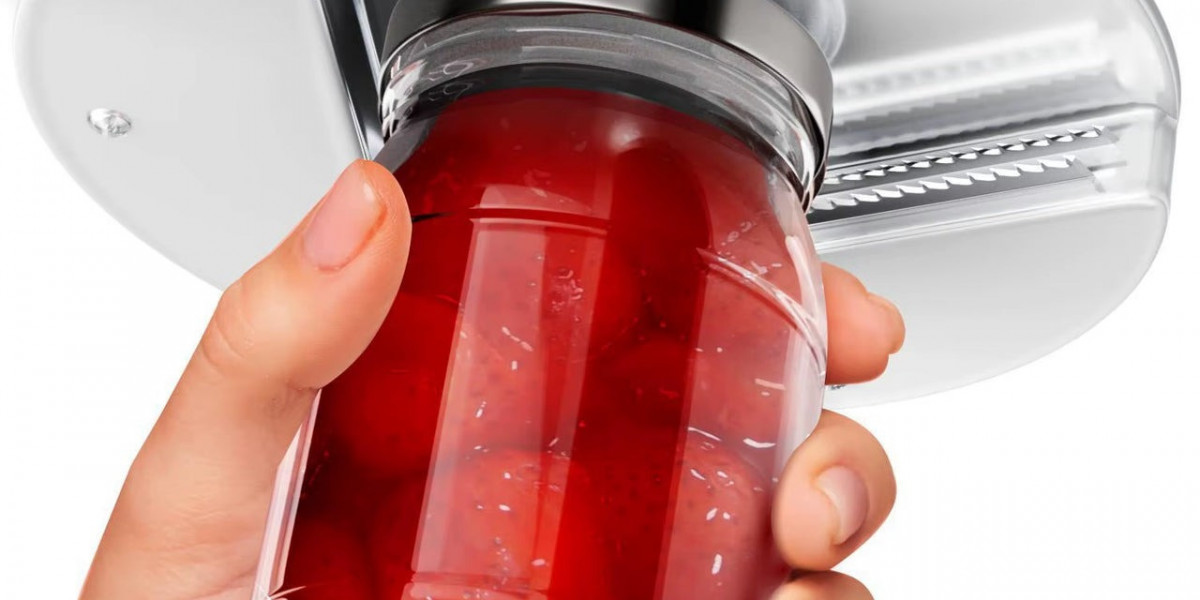
Arthritis can weaken grip strength, making twisting movements painful. Special jar and bottle openers provide improved leverage, allowing users to open lids effortlessly without stressing finger joints.
Reacher and Grabber Tools
These long-handled tools help users pick up objects, reach high shelves, or grab items from the floor without bending. They are especially helpful for individuals with hip and knee arthritis.
Ergonomic Kitchen Tools
Knives, peelers, and utensils with thick, non-slip handles reduce strain on fingers and wrists. These tools are shaped so users can maintain a natural, pain-free grip.
Dressing Aids
Button hooks, zipper tools, and long-handled shoehorns make dressing easier. These tools reduce the need for fine finger movements or bending, which can trigger joint pain.
Pain-Relief Aids for Better Comfort
Heat Therapy Tools
Heating pads, warm compresses, and heat wraps relax stiff joints and improve blood flow. They are especially helpful during flare-ups or morning stiffness.
Cold Therapy Tools
Ice packs and cooling gels reduce swelling and numb sharp pain. Many people alternate between hot and cold treatments for maximum relief.
Massage Devices
Electric massagers or handheld rollers help relieve muscle tension around affected joints. Improved circulation can reduce stiffness and discomfort.
Home Safety Aids for Better Stability
Non-Slip Mats
Arthritis can affect balance, so non-slip mats in bathrooms and kitchens help prevent falls. These mats provide extra traction on slippery surfaces.
Handrails and Grab Bars
Installing grab bars near toilets, showers, and stairs gives users added support. They reduce the risk of accidents and allow safer movement around the house.
Comfortable Seating
Chairs with higher seats, armrests, and firm cushions make sitting and standing easier. Recliners with lift mechanisms are especially helpful for those with hip or knee arthritis.
Conclusion
Arthritis can impact daily life, but the right aids can bring comfort, improve mobility, and empower individuals to maintain independence. From simple jar openers to advanced rollators, these tools help reduce pain and make everyday activities more manageable. Choosing the proper arthritis aids not only enhances physical comfort but also supports emotional well-being by allowing people to live more confidently and actively despite joint challenges.