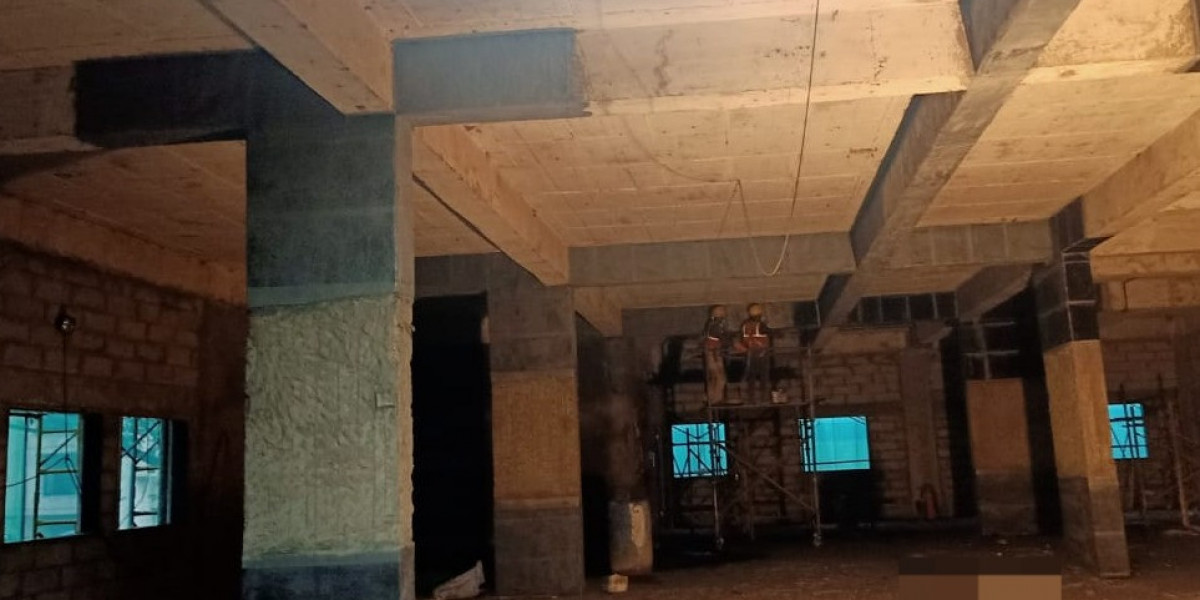

Flexural strengthening refers to the process of enhancing the bending capacity of structural elements such as beams and slabs. Over time, structures may develop cracks or show signs of reduced load-bearing capacity due to overloading, design limitations, or environmental factors. By applying flexural strengthening techniques, engineers ensure safety, extend the lifespan of buildings, and improve performance. These methods are increasingly sought in India for both residential and commercial constructions.
Why Flexural Strengthening is Important
Structural elements like concrete beams and slabs are prone to bending failures when subjected to excessive loads. Ignoring these issues can lead to severe damage or collapse. Flexural strengthening addresses these risks by reinforcing weak areas, improving load capacity, and preventing structural deterioration. Homeowners, contractors, and builders often search for reliable solutions to maintain safety and avoid costly repairs in the long run.
Common Causes of Flexural Weakness
Several factors lead to bending failures in concrete structures. Poor initial design, improper reinforcement, increased live loads, and natural wear and tear can all contribute to weakened structural performance. Moisture penetration and chemical attacks also deteriorate concrete over time. Flexural strengthening services provide targeted solutions to counteract these problems, ensuring the structure can safely carry intended loads and meet modern safety standards.
Materials Used in Flexural Strengthening
Modern flexural strengthening techniques utilize high-performance materials such as carbon fiber reinforced polymer (CFRP), steel plates, and epoxy resins. CFRP wraps are particularly popular for their high tensile strength and lightweight properties. Steel plate bonding and shotcrete overlays are also effective in certain scenarios. Choosing the right material depends on the structure’s condition, load requirements, and environmental exposure, making professional assessment essential.
Techniques for Flexural Strengthening
Several proven methods are employed to enhance bending capacity. Externally bonded reinforcement (EBR) using carbon fiber or steel plates is widely used. Near-surface mounted (NSM) reinforcement involves embedding steel or fiber bars within grooves of concrete. Additionally, jacketing techniques with concrete or micro-concrete provide added flexural capacity. Selecting the appropriate technique ensures efficiency, durability, and cost-effectiveness for any building or infrastructure project.
Flexural Strengthening of Beams and Slabs
Beams and slabs often experience bending stress due to vertical loads. Flexural strengthening of these elements increases their moment-carrying capacity and prevents cracks from propagating. Proper installation of reinforcement materials ensures uniform stress distribution, reducing the risk of localized failures. Engineers recommend periodic inspections and retrofitting older structures to maintain structural integrity, especially in high-rise buildings or bridges with significant traffic loads.
Benefits of Flexural Strengthening
The primary advantage of flexural strengthening is improved structural safety. Additionally, it enhances durability, extends the service life of buildings, and reduces maintenance costs. Strengthened elements can carry higher loads and withstand environmental stresses more effectively. By investing in professional flexural strengthening services, property owners not only secure their assets but also ensure compliance with modern building codes and engineering standards.
Applications in Residential and Commercial Projects
Flexural strengthening is relevant across multiple sectors. Residential buildings with aging beams, commercial complexes experiencing increased load demands, and industrial structures under dynamic forces benefit from these services. Bridges, flyovers, and parking structures also require reinforcement to handle traffic loads safely. The versatility of flexural strengthening techniques allows engineers to tailor solutions for specific structural challenges, maximizing performance and reliability.
Choosing the Right Flexural Strengthening Service
Selecting a trusted service provider is critical for effective results. Professionals conduct detailed structural assessments, identify weak zones, and recommend the most suitable materials and methods. Look for contractors with experience in CFRP wrapping, steel plate bonding, and concrete jacketing. A quality-focused approach ensures long-term benefits and reduces the risk of future failures, giving property owners peace of mind.
Maintenance and Longevity After Strengthening
After applying flexural strengthening solutions, ongoing maintenance is essential to preserve effectiveness. Periodic inspections, crack monitoring, and protective coatings can prevent environmental damage. Well-executed strengthening work can significantly extend a structure’s lifespan, sometimes by decades. Engineers advise documenting all repairs and reinforcements to guide future maintenance and ensure that structural integrity remains uncompromised under evolving load conditions.
Flexural strengthening is a critical intervention for maintaining and improving the safety of concrete structures. From beams and slabs to bridges and high-rise buildings, these solutions prevent bending failures, enhance load capacity, and extend service life. By choosing reliable flexural strengthening services, property owners can safeguard their investments, ensure compliance with safety standards, and enjoy peace of mind knowing their structures remain resilient under stress.