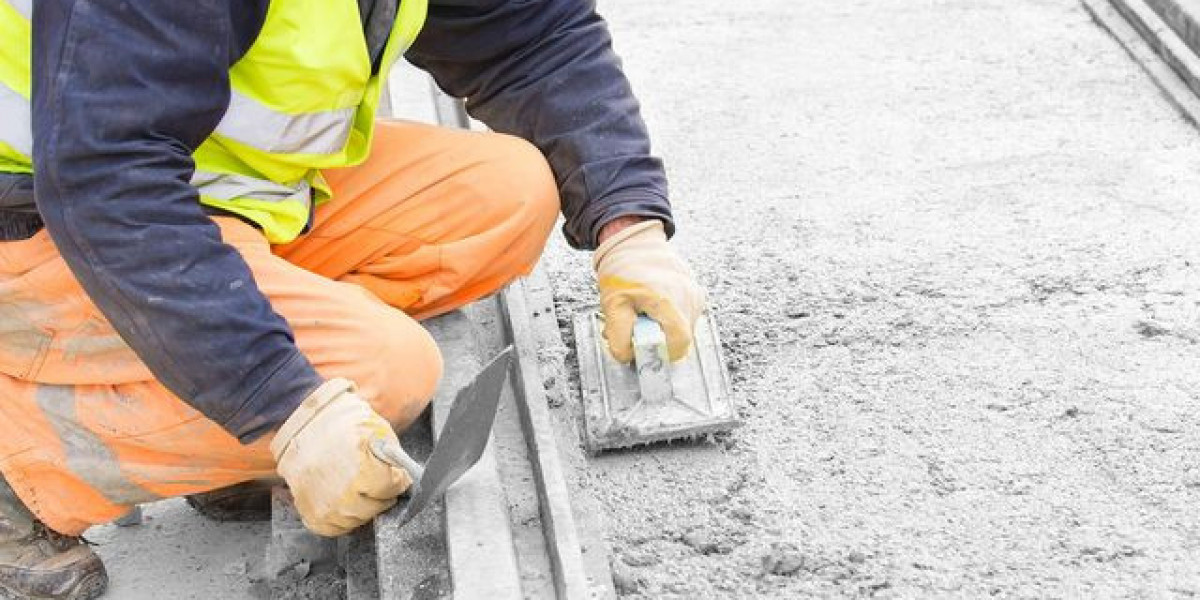
Guniting has become one of the most reliable concrete repair methods for strengthening old, damaged, or cracked structures. As cities continue to expand and renovation work rises, the demand for effective solutions like concrete spraying, structural rehabilitation, and surface protection has increased. People often search for terms like concrete repair methods, concrete shot application, and structural strengthening, which shows how common these issues are in residential and commercial spaces.
What Makes Guniting Different from Regular Concrete Repair
The key difference between Guniting and traditional concrete repair is the method used to apply the material. Instead of pouring concrete, a dry mixture is sprayed at high pressure onto the surface. This process ensures deeper bonding, reduced shrinkage, and better adhesion compared to manual plastering. Homeowners and contractors look for long-lasting solutions, and this technique stands out because it works well for curved areas, overhead surfaces, and damaged structures.
Why Guniting Is Popular in Renovation and Restoration Projects
Many property owners choose Guniting while searching for concrete restoration options because it requires less formwork and delivers high strength. When dealing with aging buildings, retaining walls, beams, or water tanks, people want methods that reduce downtime and improve structural stability. This dry-mix technique offers a dense and durable layer that handles tough conditions, making it a preferred choice in urban repair projects where durability and quick execution matter.
How Guniting Works: Step-by-Step Application Process
The process of Guniting begins with surface cleaning, removal of weak concrete, and preparation of reinforcement areas. A high-pressure nozzle then sprays a cement-sand mixture directly onto the surface, forming a compact layer. The impact of the spray increases material density, creating a strong bond. This technique requires skilled labor and proper equipment, which is why people search for professional concrete spraying services for safe and effective application.
Where Guniting Is Commonly Used in India
Structures in India often face challenges such as moisture, corrosion, weathering, and pollution. Because of this, Guniting is widely used for repairing bridges, residential buildings, boundary walls, heritage structures, swimming pools, water reservoirs, and industrial plants. People looking for concrete repair solutions in cities often prefer this technique due to its suitability for both minor and major rehabilitation needs. Its versatility makes it an ideal option in crowded urban environments with limited working space.
Benefits of Choosing Guniting for Structural Repair
One of the biggest advantages of Guniting is its ability to create a strong layer on damaged concrete surfaces. The high-pressure application improves resistance to cracking, provides uniform thickness, and reduces rebound losses. Homeowners searching for moisture-resistant concrete or long-lasting repair find it appealing. It also works well in vertical and overhead applications, which makes it suitable for complex structural requirements and areas where traditional plastering methods may fail.
Guniting for Waterproofing and Leakage Repair
A major reason people search for advanced concrete repair techniques is leakage in bathrooms, basements, swimming pools, and water tanks. Guniting forms a dense and compact surface, reducing water penetration and improving long-term waterproofing. When applied correctly, it prevents seepage and strengthens the substrate, which is why contractors often recommend it for water retaining structures. This feature makes it popular in urban regions where waterproofing issues are frequent and need reliable solutions.
Guniting vs Shotcreting: Understanding the Difference
Many people confuse Guniting with shotcreting because both involve spraying concrete. However, Guniting uses the dry-mix process while shotcreting uses the wet-mix method. Both techniques are useful, but Guniting is preferred for repair work due to its better control, lower rebound, and stronger adhesion. When property owners search for concrete spraying techniques, they often look for comparisons between these two options to understand which method suits their project.
Importance of Skilled Application in Guniting
Because Guniting requires high-pressure spraying, accuracy and experience are essential for quality results. Skilled professionals can control rebound loss, maintain proper thickness, and ensure uniform coverage. Many property owners search for trained technicians because improper application can lead to weak bonding or uneven surfaces. Correct execution ensures long-term performance, especially for structures exposed to weather, water pressure, or load-bearing needs.
Why Guniting Works Well for Heritage and Old Buildings
Old buildings often suffer from cracks, surface erosion, and loss of structural strength. Guniting helps restore these structures without disturbing their original form or requiring heavy demolition. The technique provides a strong and protective layer that blends well with traditional construction materials. People searching for heritage restoration methods prefer this solution because it helps maintain the authenticity of old structures while improving their durability and lifespan.
Guniting for Industrial and Commercial Structures
Industrial facilities, factories, and commercial complexes face constant wear and exposure to chemicals, vibrations, and heavy machinery. Guniting is often selected in such environments because it provides a durable and resistant surface. It is useful for repairing silos, tunnels, chimneys, retaining walls, and reservoirs. Businesses searching for heavy-duty concrete repair options find this method effective for improving safety and structural reliability without interrupting operations for long periods.
Guniting as a Solution for Corrosion and Reinforcement Damage
Reinforcement corrosion is one of the most common problems faced in concrete structures. Guniting helps create a protective layer over the reinforcement and prevents further deterioration. Before spraying, loose rust and damaged concrete are removed, allowing the new material to bond securely. Searches related to steel corrosion repair and concrete restoration often lead to this technique because it effectively restores the structural integrity of beams, columns, and slabs.
Environmental Conditions Where Guniting Performs Well
Weather plays a major role in the performance of concrete repair techniques. Guniting performs well in humid, coastal, and high-temperature environments because of its dense texture and reduced water requirement during application. These features make it suitable for areas affected by moisture and salt exposure. People living in coastal cities or regions with high rainfall often prefer this technique to protect their structures from long-term environmental damage.
How Guniting Helps Extend the Life of Concrete Structures
One of the main reasons people search for long-term repair methods is to extend the lifespan of their buildings and reduce future risks. Guniting helps prolong the life of structures by improving resistance to cracking, water penetration, and physical impact. By creating a dense and well-bonded layer, it restores strength and protects the underlying concrete. This improves overall performance, especially for structures that have been in use for several decades.
In fast-growing urban areas, the need for reliable concrete repair continues to rise. Guniting has become a trusted solution because it combines durability, strong bonding, and efficient application. Its suitability for residential, commercial, and industrial projects makes it a versatile choice for modern construction challenges. As structural issues become more common, this technique will continue to be one of the most preferred methods for concrete restoration and long-term protection.