
Introduction
In the world of modern manufacturing, precision, speed, and efficiency are the driving forces behind high-quality production. One industrial component that plays a vital role in achieving these goals is the press tool. Used across automotive, aerospace, electronics, appliance manufacturing, and countless metalworking industries, press tools help shape, cut, form, and assemble metal parts with unmatched consistency. As technology advances, the importance and versatility of press tools continue to grow, making them indispensable for mass production.
This article provides an in-depth look at what a press tool is, its types, applications, working process, and the benefits it brings to manufacturing industries. Whether you are a student, a manufacturer, or an engineer, understanding the capabilities of press tools can help you make better decisions in your production processes.
What Is a Press Tool
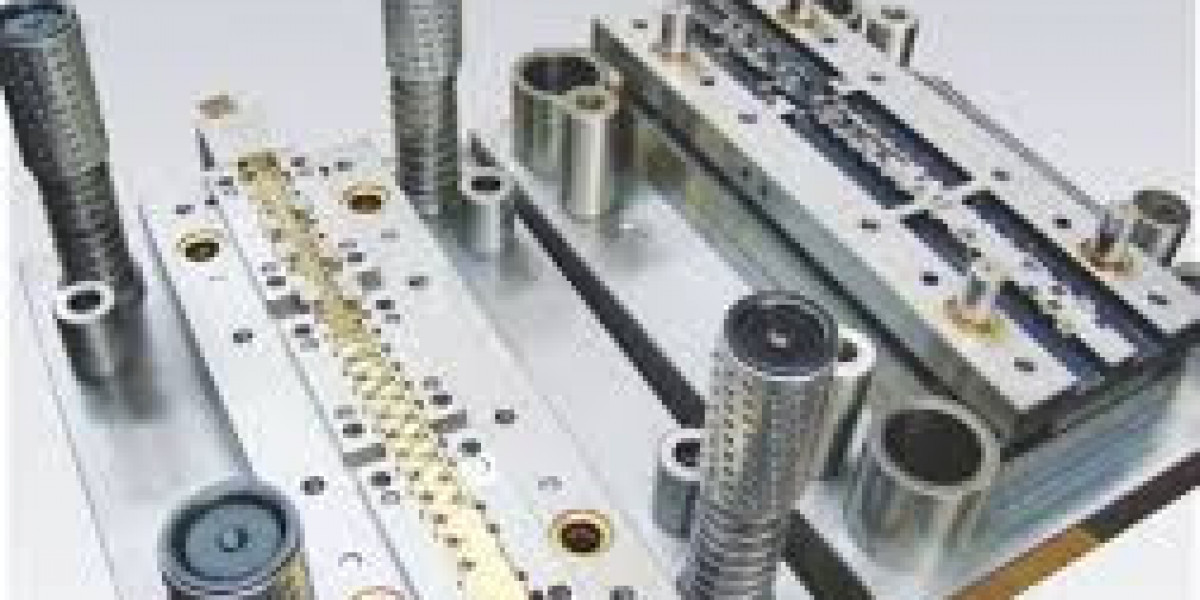
A press tool is a specially designed tool fitted inside a press machine to perform operations such as cutting, bending, punching, forming, drawing, and embossing sheet metal. It uses force generated by the press to transform raw metal sheets into finished components with precise dimensions.
Press tools are engineered to deliver high accuracy and repeatability, which is why they are widely used where thousands to millions of parts must be produced consistently.
In simple terms, a press tool shapes metal by applying controlled pressure—making it one of the backbone technologies in manufacturing.
Major Types of Press Tools
Press tools come in a variety of forms, each designed for a specific function. Below are the most widely used types:
Blanking Tool
A blanking tool cuts flat shapes out of sheet metal. The cut-out piece (blank) is the finished product. This tool is essential in automotive body parts, washers, and electronic casings.
Piercing Tool
Piercing tools punch holes or openings in sheet metal. The removed part is scrap, and the remaining sheet is the finished component. These tools are used in brackets, electrical appliances, and structural fittings.
Bending Tool
A bending tool bends sheet metal at a specific angle without breaking the material. Common products include brackets, channels, enclosures, and cabinet frames.
Forming Tool
This tool shapes metal into a specific curve or profile. It is often used for decorative parts, automotive trims, and complex curves.
Deep Drawing Tool
Deep drawing tools create cup-shaped or hollow components such as cans, kitchen sinks, fuel tanks, and cookware.
Compound Tool
A compound tool performs multiple operations in a single stroke—such as cutting and piercing simultaneously. It improves productivity and reduces time.
Progressive Tool
One of the most efficient press tools, a progressive tool performs a series of operations at different stages as the metal strip moves through the die. It is ideal for mass production of complex parts with high precision.
Embossing Tool
This tool creates raised or recessed designs on sheet metal for aesthetic or functional purposes, commonly seen in logos, nameplates, and patterns.
How a Press Tool Works
The working mechanism of a press tool involves three main components:
Die Block – The lower part that holds the shape.
Punch – The upper part that applies pressure to shape metal.
Stripper Plate – Removes the metal sheet from the punch after operation.
The metal sheet is placed between the die and punch. When the press machine activates, the punch forces the sheet into the die block, performing the required operation. The simplicity of the mechanism combined with the precision of engineering allows press tools to deliver consistent production even at high speeds.
Applications of Press Tools in Industry
Press tools are used in almost every industry that deals with sheet metal. Key applications include:
Automotive Sector
Car bodies, brackets, exhaust components, washers, and structural parts are all manufactured using different types of press tools.
Aerospace Industry
Lightweight yet strong sheet metal components such as brackets, frames, and housings depend on press tool technology.
Electronics
Chassis, metal frames, connectors, and housings for gadgets require precise piercing and forming operations.
Consumer Appliances
Refrigerators, washing machines, ovens, and air conditioners contain multiple parts shaped using press tools.
Kitchenware and Utensils
Deep drawing tools are widely used in making pots, pans, and metal containers.
Construction and Architectural Hardware
Press tools help shape door handles, window frames, and decorative metallic components.
Advantages of Using a Press Tool
High Precision
Press tools deliver consistent, accurate results—even when producing millions of identical parts.
High Productivity
With the ability to perform operations in seconds, press tools significantly increase production speed.
Reduced Waste
Optimized cutting and shaping minimize material wastage, making the process cost-effective.
Durability and Long Tool Life
When designed and maintained properly, press tools can last through long production cycles without major replacements.
Cost Efficiency
Mass production becomes more economical because press tools reduce labor, time, and energy costs.
Versatility
From cutting to forming and embossing, press tools can be engineered for a wide range of applications.
Future Trends in Press Tool Technology
With advancements in automation and digital manufacturing, press tools are also evolving:
CNC-controlled press tools ensure greater consistency.
High-speed servo presses allow more precise operations.
Simulation software helps optimize tool designs before manufacturing.
Advanced materials like carbide and high-speed steel increase tool life.
Integration with robotics enhances safety and efficiency.
These innovations are helping industries achieve better quality at lower costs.
Conclusion
The press tool remains one of the most essential manufacturing technologies in the world of metalworking and mass production. Its ability to shape, cut, pierce, and form sheet metal with absolute precision makes it irreplaceable in automotive, aerospace, electronics, and countless other industries.
See more our website:visit here