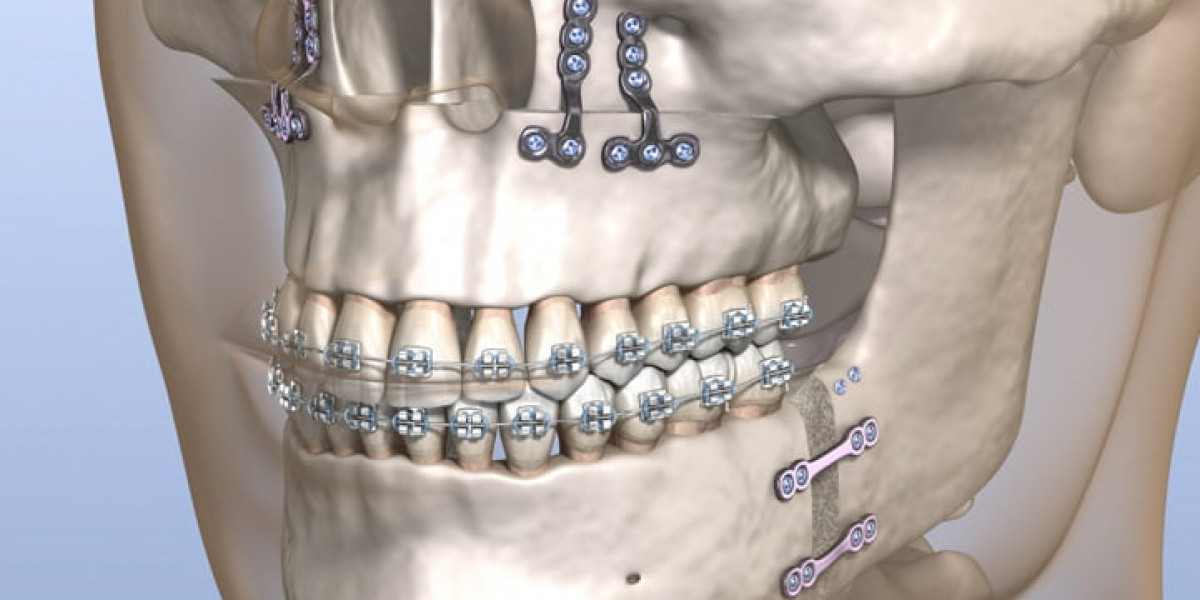

Post-surgery physical therapy for jaw recovery in Islamabad plays a crucial role in ensuring optimal healing, restoring function, and maintaining long-term results following jaw surgery, also known as orthognathic surgery. While the surgery itself corrects structural issues such as misaligned bites, facial asymmetry, or jaw deformities, the recovery process requires careful rehabilitation. Physical therapy focuses on restoring jaw mobility, reducing stiffness, managing pain, and improving overall oral function, which significantly enhances the success of the surgery. Jaw Surgery in Islamabad can significantly improve both facial symmetry and overall oral health.
Understanding the Need for Physical Therapy
Jaw surgery involves repositioning the upper jaw, lower jaw, or both, which can create temporary limitations in jaw movement. Post-surgery swelling, muscle soreness, and surgical trauma can make opening and closing the mouth challenging. Without proper rehabilitation, patients may develop restricted jaw motion, muscle stiffness, or uneven bite alignment, which can compromise both function and aesthetics. Physical therapy provides structured exercises and interventions that help the jaw recover strength, flexibility, and coordination, ensuring that the surgical outcomes are maintained over the long term.
Early Post-Operative Phase
The initial phase after jaw surgery, typically the first one to two weeks, focuses on managing pain, controlling swelling, and protecting the surgical site. Physical therapy during this period is minimal and primarily involves gentle movements recommended by the surgeon to prevent stiffness. Ice packs, head elevation, and soft dietary intake are emphasized to reduce discomfort and promote healing. Patients are usually instructed to avoid excessive jaw movement and strenuous activities during this phase, as the bones are still stabilizing.
Gradual Jaw Mobilization
After the first few weeks, once initial healing has taken place, the next phase of physical therapy begins with gentle jaw mobilization exercises. These exercises help restore range of motion and prevent scar tissue formation, which could restrict jaw function. Typical exercises may include slow opening and closing of the mouth, side-to-side movements, and controlled forward and backward motions. Patients are encouraged to perform these exercises multiple times a day, within a pain-free range, to gradually rebuild mobility.
Strengthening Exercises
Once the jaw has regained basic mobility, strengthening exercises are introduced to enhance muscle tone and endurance. The muscles surrounding the jaw, including the masseter, temporalis, and pterygoid muscles, may weaken during the early recovery period due to limited use. Strengthening exercises help restore proper chewing ability, support jaw stability, and reduce fatigue during normal activities. Physical therapists may guide patients in using resistance techniques, gentle jaw stretching, or specialized exercises tailored to individual recovery needs.
Improving Bite Function and Coordination
A key goal of post-surgery physical therapy is to restore proper bite function. After jaw surgery, teeth may initially feel misaligned or uneven due to swelling and adjustments made during surgery. Physical therapy exercises, combined with orthodontic follow-ups if necessary, help patients retrain their bite and improve coordination between the upper and lower jaws. This retraining is essential for efficient chewing, speaking, and overall oral function.
Pain Management and Swelling Control
Physical therapy also complements pain management strategies during jaw recovery. Techniques such as gentle massage, soft tissue mobilization, and controlled jaw movements can reduce muscle tension and alleviate discomfort. Additionally, therapists may recommend cold or warm compresses at different stages of recovery to manage swelling and promote circulation. Combining these methods with prescribed pain medications enhances patient comfort and encourages adherence to therapy exercises.
Addressing TMJ and Postural Issues
Jaw surgery can affect the temporomandibular joint (TMJ) and overall posture. Physical therapy addresses these concerns by improving joint mobility, reducing stress on the TMJ, and promoting proper head and neck alignment. Postural exercises may be included to ensure that jaw function does not compromise cervical spine alignment or lead to long-term discomfort. Regular guidance from a physical therapist ensures that exercises are performed correctly and safely, minimizing the risk of complications.
Consistency and Follow-Up
Consistency is critical for successful jaw recovery. Patients in Islamabad are encouraged to perform prescribed exercises daily and attend scheduled follow-up sessions with their surgeon and physical therapist. Progress is closely monitored, and therapy is adjusted based on individual healing rates, pain levels, and functional improvements. Neglecting post-surgery physical therapy can slow recovery, reduce mobility, and compromise the long-term benefits of jaw surgery.
Psychological Benefits
Physical therapy also provides psychological benefits during recovery. Structured exercises give patients a sense of control over their healing process, reducing anxiety and boosting confidence in their recovery. Seeing gradual improvements in jaw mobility and function can improve overall satisfaction with the surgical outcome.
Conclusion
Post-surgery physical therapy for jaw recovery in Islamabad is an essential component of the healing process following orthognathic surgery. Through a combination of gentle mobilization, strengthening exercises, bite coordination, pain management, and postural correction, physical therapy ensures that patients regain full function, mobility, and comfort. Consistent participation in therapy, adherence to the surgeon’s instructions, and ongoing follow-up care contribute to long-term success, helping patients enjoy the functional and aesthetic benefits of jaw surgery. Proper rehabilitation not only maximizes surgical results but also supports overall oral health, enhances quality of life, and boosts confidence in one’s appearance.