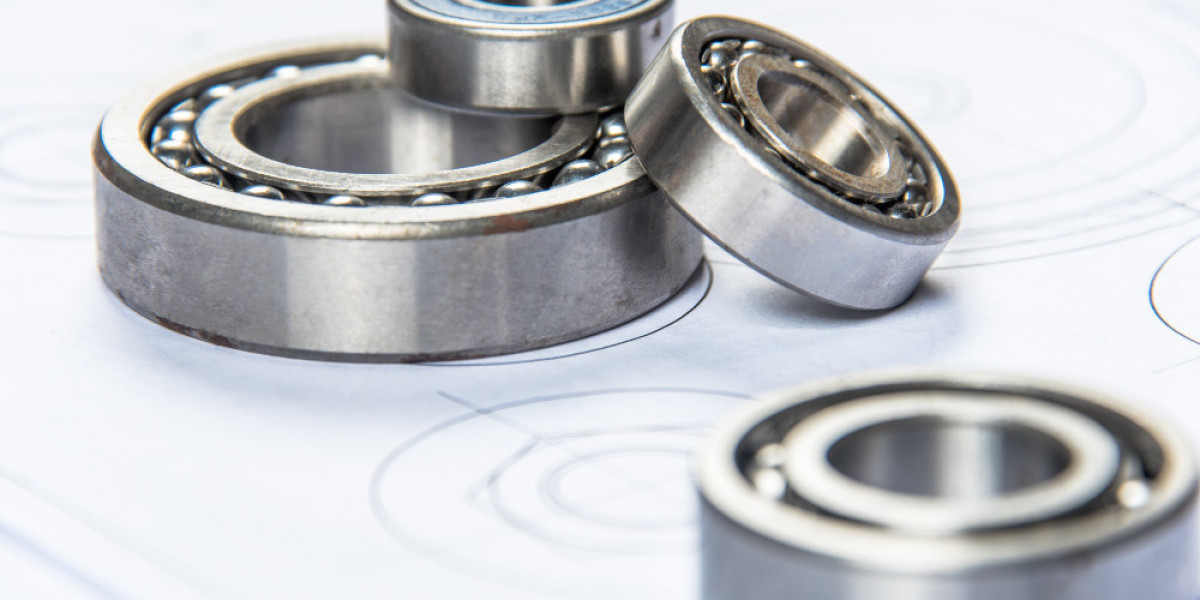

Machine downtime, unusual vibration, overheating, and unexpected breakdowns often point to one core issue—your bearings are no longer performing the way they should. For many industrial users, the real loss isn’t the price of a bearing itself, but the hours of halted production, repair labor, and long-term equipment damage that follow.
Upgrading to a high-quality roller ball bearing is one of the most impactful steps you can take to improve your system’s performance. Whether you’re managing heavy-duty machinery, automotive systems, conveyor lines, or agricultural equipment, the durability and precision of your bearings dictate how well your entire system operates.
In this article, you’ll learn how roller ball bearings reduce friction, handle extreme loads, prevent misalignment damage, and dramatically improve machine reliability—helping you avoid costly failures that disrupt your operations.
Why Roller Ball Bearings Matter in High-Demand Applications
They Reduce Friction and Improve Efficiency
Roller ball bearings are specifically engineered to reduce friction between rotating parts. By distributing the load evenly and allowing smoother motion, they help your machines operate:
More quietly
With less heat
With greater mechanical efficiency
This reduction in friction directly lowers power consumption and extends component life.
They Withstand Heavy Loads
Industrial processes often involve continuous pressure. A powerful roller ball bearing supports:
Radial loads
Axial loads
Combined multidirectional forces
This adaptability makes them suitable for manufacturing equipment, construction machinery, and automotive powertrains.
They Protect Other Machine Components
A failing bearing transfers stress to other parts, damaging shafts, gears, pulleys, and motors. A durable bearing acts as a buffer, absorbing load and movement to maintain system alignment.
Common Machinery Problems Caused by Poor-Quality Bearings
1. Excessive Vibration
Inconsistent rolling surfaces, worn-out raceways, or improper load distribution lead to vibration. Eventually, this can loosen bolts, misalign belts, and damage sensors.
2. Overheating
High friction inside a cheap or worn bearing generates heat. This accelerates wear, degrades lubrication, and leads to sudden failure.
3. Noise During Operation
Grinding, squeaking, or knocking noises often indicate internal bearing damage. These sounds are early warnings of complete failure.
4. Frequent Shutdowns
If your machine stops unexpectedly, an unstable bearing may be the cause—especially under high-speed rotation.
Roller ball bearings are engineered to combat all these issues through precision construction, smooth roller alignment, and robust sealing mechanisms.
What Makes a High-Quality Roller Ball Bearing Different?
Precision Engineering
A premium bearing uses high-grade steel, fine-machined raceways, and perfectly aligned rollers. This provides:
Better load distribution
Smoother rotation
Lower noise
Higher overall efficiency
Advanced Sealing Technology
Effective seals keep dust, moisture, and debris out—extending bearing life significantly, especially in harsh environments.
Corrosion-Resistant Design
Industrial equipment often runs in humid, dusty, or chemically exposed conditions. A strong bearing protects itself from corrosion and early fatigue.
Longer Lubrication Life
Superior bearings maintain lubrication longer, reducing the need for constant maintenance and preventing internal friction.
Industries That Benefit Most from Roller Ball Bearings
Automotive Industry
Used in engines, transmissions, wheel assemblies, and suspension systems, they enhance performance and stability.
Manufacturing & Industrial Machinery
They are crucial for:
Conveyor systems
Gearboxes
Electric motors
CNC machines
Agriculture & Heavy Equipment
Roller ball bearings withstand dirty, high-vibration environments common in tractors, harvesters, and hydraulic machinery.
Construction Machinery
Loaders, cranes, pumps, and high-impact tools rely on strong bearings to handle unpredictable load variations.
Where reliability matters, roller ball bearings are an essential investment.
How to Know When Your Machine Needs a Bearing Upgrade
Consider replacing or upgrading your bearings if you notice:
Increasing vibration
Strange noises
Higher operating temperature
Reduced speed or efficiency
Repeated bearing replacements
Unexpected shutdowns
These issues often worsen quickly—so early intervention prevents expensive repairs.
Why Roller Ball Bearings Provide Outstanding ROI
Lower Maintenance Costs
High-quality roller ball bearings reduce the frequency of replacements.
Better Energy Efficiency
Low-friction rotation means your machine uses less power to perform the same work.
Higher Productivity
Stable operation prevents downtime and ensures consistent output.
Extended Machine Lifespan
Bearings protect motors, shafts, and gears from stress, meaning your entire system lasts longer.
For businesses looking to optimize operations, investing in strong bearings is a cost-saving strategy—not just a mechanical choice.
Conclusion
If vibration, heat, noise, or frequent breakdowns are slowing your operations, upgrading to a reliable roller ball bearing is the most effective solution. The right bearing enhances performance, extends machine life, and prevents costly downtime.
Explore premium roller ball bearing options today and equip your machinery with the durability and stability it deserves.