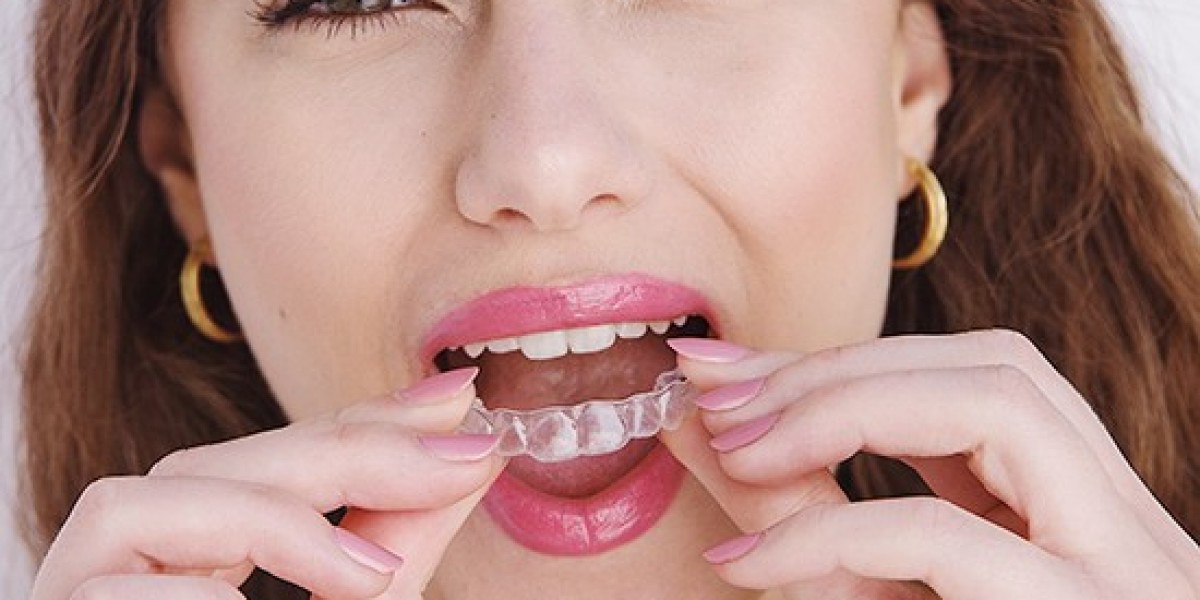

When beginning clear aligner treatment, you may hear your orthodontist mention something called Interproximal Reduction, commonly known as IPR. For many patients, the term sounds technical and even a little intimidating, but in reality, IPR is a very common and safe orthodontic technique. It helps create space between teeth to ensure smooth, predictable movement during treatment.
If you’re considering teeth aligners in Islamabad, understanding IPR is essential because many aligner cases require it—especially those with crowding or alignment issues. In this detailed guide, you’ll learn what IPR is, how it works, why it’s used, and whether it affects teeth aligners cost.
What Is Interproximal Reduction (IPR)?
Interproximal Reduction is a procedure in which very small amounts of enamel are gently removed from the sides of teeth. The goal is to create tiny spaces—usually fractions of a millimeter—to allow teeth to move into better alignment.
Key points to know:
It’s painless
It involves removing 0.1–0.5 mm of enamel
It is performed only when necessary
It does not weaken the teeth
IPR is most often used during clear aligner treatments like Invisalign or other brands because aligners rely heavily on available space to shift teeth properly.
Why Do Orthodontists Perform IPR?
1. To Create Space in Crowded Teeth:
Many people have mild to moderate dental crowding. Without enough space, teeth cannot shift fully into alignment. IPR creates just enough room for movement without needing extractions.
2. To Improve Bite Alignment:
Sometimes upper and lower teeth meet unevenly. Reducing enamel in select areas allows better bite fit and long-term stability.
3. To Shape Teeth for Better Aesthetics:
IPR can smooth minor irregularities, making teeth look more uniform. It enhances your final smile.
4. To Prevent Relapse:
When teeth are perfectly aligned but tightly packed, they may shift back over time. IPR supports long-term retention by giving teeth enough room to stay in place.
5. To Match the Digital Treatment Plan:
Aligner software often calculates required spacing. If natural spacing is insufficient, IPR helps achieve precise movements.
Is IPR Painful?
Most patients are surprised by how comfortable the procedure is. IPR affects only the enamel—the outermost, non-sensitive layer of the tooth. This means:
No injections or anesthesia are required
You may feel only mild pressure or vibration
There is rarely any post-procedure discomfort
Many describe it as feeling like a quick polishing.
How Is IPR Done?
Orthodontists use different methods depending on the amount of space needed and the location of the teeth.
1. Sanding Strips:
Flexible strips are moved between teeth like dental floss. Used for minimal reductions (0.1–0.2 mm).
2. Fine Dental Discs:
Thin discs rotate to gently shave enamel. Used for slightly larger reductions.
3. Polishing Burs:
Special tools used to create well-rounded, smooth contact points.
4. Mechanical IPR Systems:
High-precision oscillating devices allow controlled enamel reduction with no risk to gums.
Regardless of the technique, the process is quick—usually taking only 5–10 minutes during an appointment.
How Much Enamel Is Removed?
Orthodontists follow strict safety guidelines. Only very small amounts of enamel are reduced.
Enamel thickness: 2.5 mm on average
IPR removal: 0.1–0.5 mm per tooth
This means only a tiny fraction is removed, ensuring no structural compromise.
Is IPR Safe?
Yes. Research shows that controlled IPR does not increase the risk of:
Cavities
Sensitivity
Gum problems
Tooth damage
After the procedure, the enamel is polished to ensure smoothness and protect against plaque buildup.
When Is IPR Not Recommended?
Your orthodontist may avoid IPR if you have:
Very thin enamel
Active tooth decay
Gum recession
Cracked or sensitive teeth
Large fillings on contact areas
In such cases, other space-creating methods—like expansion or minor extractions—may be used.
Does Every Aligner Patient Need IPR?
No. IPR is recommended only when necessary.
You may need IPR if you have:
Crowding (mild to moderate)
Angled teeth
Triangular tooth shapes
Overlapping teeth
A bite that needs balancing
Your orthodontist determines this during your digital scan analysis.
Does IPR Affect Teeth Aligners Cost?
Most orthodontists in Islamabad include IPR as part of the overall aligner treatment package, so it does not significantly increase the teeth aligners cost.
However, costs may vary depending on:
Brand of aligners
Complexity of your case
Number of refinement stages
Clinic’s pricing policy
Before starting treatment, ask:
Is IPR included in the total package?
Are follow-up refinements free?
Will IPR be needed once or multiple times?
This helps you understand the full cost of teeth aligners in Islamabad.
What to Expect After IPR:
Patients usually feel no discomfort. However, here’s what to expect:
1. Slight Rough Feeling:
The contact areas may feel different for a day or two, but they smooth out quickly.
2. No Eating Restrictions:
You can eat normally right after the procedure.
3. Continue Wearing Aligners Normally:
Your aligners will fit better and track more accurately after IPR.
4. Good Oral Hygiene Is Important:
Brush and floss to keep the polished areas clean.
Benefits of IPR During Aligner Treatment:
Creates space for movement
Reduces need for tooth extractions
Improves smile symmetry
Helps achieve precise bite results
Supports long-lasting alignment
Enhances aligner tracking and effectiveness
IPR is one of the reasons modern aligners can treat a wide range of orthodontic issues efficiently.
Frequently Asked Questions
1. Will I feel sensitivity afterward?
Most people feel nothing. A mild sensation for a few hours is normal.
2. Does IPR weaken the teeth?
No. The amount removed is too small to affect strength.
3. Can I avoid IPR?
Avoiding it may compromise your results. Your orthodontist will recommend it only if necessary.
4. How often is IPR needed?
Usually once or twice during the entire treatment.
Conclusion:
Interproximal Reduction is a safe, simple, and effective procedure that supports proper tooth movement during aligner treatment. If you're planning to get teeth aligners in Islamabad, understanding IPR can help you feel more confident and informed. It enhances results, prevents relapse, and ensures your aligners work exactly as planned—without significantly affecting teeth aligners cost.
For more information visit Dental Clinic Islamabad.