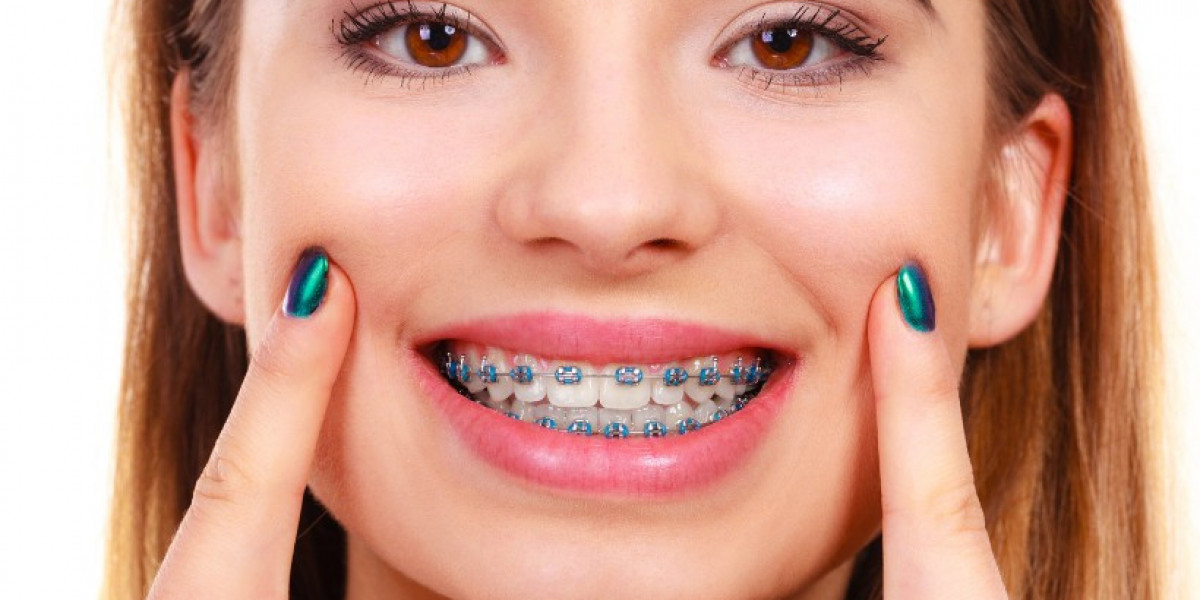

When you begin your orthodontic journey, you expect straighter teeth and a more confident smile. But braces also bring new responsibilities—especially when it comes to gum health. While braces are incredibly effective for correcting alignment, they can also make cleaning more challenging, which increases the risk of gum problems if proper care isn’t taken.
Whether you’re planning to get teeth braces in Islamabad or you’re currently undergoing treatment, understanding how braces affect your gums helps you maintain a healthy mouth throughout the process. This blog explains what to watch for, common gum concerns, and how to prevent them while keeping treatment on track. We’ll also touch on factors that influence teeth braces cost so you know what to expect.
How Braces Affect Your Gum Health:
Braces bring structural changes to your teeth, but they also affect the environment inside your mouth. The brackets and wires create multiple small spaces where food particles and plaque can easily collect. This buildup can directly impact gum health if not cleaned properly.
More Places for Plaque to Hide:
Plaque—sticky bacteria that forms around the gumline—accumulates more quickly with braces. If left unchecked, this leads to gum inflammation, swelling, and potential long-term complications.
Increased Gum Sensitivity:
During orthodontic adjustments, teeth shift and move through bone. This process can make gums feel tender or sensitive for a few days after each tightening session.
Higher Risk of Gingivitis:
Gingivitis, the earliest stage of gum disease, is more common during braces treatment. Redness, swelling, and bleeding when brushing are warning signs.
Common Gum Issues to Watch During Braces Treatment:
While braces don’t cause gum disease, they can make you more vulnerable to it if oral hygiene is neglected. Here are the most common gum concerns to keep an eye on.
Gum Inflammation (Gingivitis):
Gingivitis is the most frequent gum issue among braces wearers. It occurs when plaque isn’t removed properly due to difficulty reaching the gumline. Symptoms include:
Red or swollen gums
Bleeding while brushing or flossing
Tenderness around the brackets
Bad breath
The good news? Gingivitis is reversible with effective cleaning and professional dental care.
Gum Recession:
Gum recession happens when the gums pull away from the teeth, exposing the roots. While braces don’t directly cause recession, improper brushing techniques or untreated inflammation might contribute to it.
Brushing too hard, especially around brackets, can weaken your gumline. Using a soft-bristle brush and gentle circular motion helps protect delicate tissues.
Pocket Formation Around Teeth:
If plaque remains undisturbed for too long, the gums may detach from the tooth surface, forming pockets. These pockets trap more bacteria, leading to potential progression into periodontal disease.
Orthodontists monitor gum pockets throughout treatment to ensure that braces don’t exacerbate underlying issues.
Hyperplasia (Gum Overgrowth):
Some patients experience gum overgrowth during braces treatment. This condition, called hyperplasia, causes the gums to swell and cover more of the tooth surface.
It typically happens due to:
Excess plaque buildup
Poor brushing habits
Hormonal changes (especially in teens and pregnant women)
Hyperplasia is usually reversible once plaque control improves.
Tooth Mobility and Gum Weakness:
Teeth naturally become slightly mobile during braces treatment as they move into alignment. However, if gums are inflamed or infected, this movement may feel exaggerated or uncomfortable.
Healthy gums help stabilize shifting teeth, making good oral care essential during treatment.
How to Protect Your Gums While Wearing Braces:
Preventing gum issues is completely achievable with the right habits. Here’s what every braces wearer should do:
Brush Thoroughly Twice a Day:
Use a soft-bristle brush or an orthodontic toothbrush designed to clean around brackets. Brush at a 45-degree angle to reach both above and below the wires. Spend at least 2–3 minutes brushing your teeth and gumline.
Electric toothbrushes can make cleaning even more effective.
Floss Daily—Yes, Even With Braces:
Flossing with braces is challenging, but it’s essential. Tools that make it easier include:
Floss threaders
Super floss
Orthodontic floss
Water flossers (a great supplement, but not a replacement)
Daily flossing prevents plaque buildup between teeth and along the gumline.
Use an Antibacterial Mouthwash:
An alcohol-free antibacterial mouthwash helps control bacteria and soothe inflamed gums. Your orthodontist may recommend a fluoride mouthwash for added protection.
Schedule Regular Dental Cleanings:
Don’t skip your routine cleanings just because you’re wearing braces. Professional cleanings every six months—or sometimes more frequently—help remove plaque and tartar in areas you can't reach.
Many people researching teeth braces in Islamabad also ask about how cleanings impact teeth braces cost. Most clinics include regular checkups in their treatment plans, but cleaning appointments may be billed separately.
Avoid Sugary or Sticky Foods:
Foods that cling to braces increase plaque buildup and irritate the gums. Limit:
Chewy sweets
Sticky jelly candies
Caramel
Sodas and sugary drinks
Choosing braces-friendly foods reduces gum irritation and lowers cavity risks.
Rinse After Meals:
If you can’t brush after eating, rinsing your mouth with water helps remove food debris and decreases plaque buildup on gums.
Stay Hydrated:
Dry mouth increases bacterial growth, which affects gum health. Drinking plenty of water helps rinse the mouth naturally and prevent inflammation.
When to Contact Your Orthodontist:
You should seek professional advice if you notice:
Persistent gum bleeding
Pain that doesn’t improve
Gums pulling away from teeth
Visible gum overgrowth
Foul odor from the mouth
Early treatment prevents complications and keeps your braces journey on track.
Final Thoughts:
Braces are a powerful tool for transforming your smile, but maintaining healthy gums is essential throughout the process. With proper brushing, flossing, regular dental visits, and mindful habits, you can avoid most gum issues while wearing braces.
If you’re exploring teeth braces in Islamabad or comparing teeth braces cost, make sure the clinic you choose also emphasizes gum monitoring and preventive care. A healthy smile starts with healthy gums—and braces can only do their job effectively when your gums are well cared for.
For more information visit Dental Clinic Islamabad.