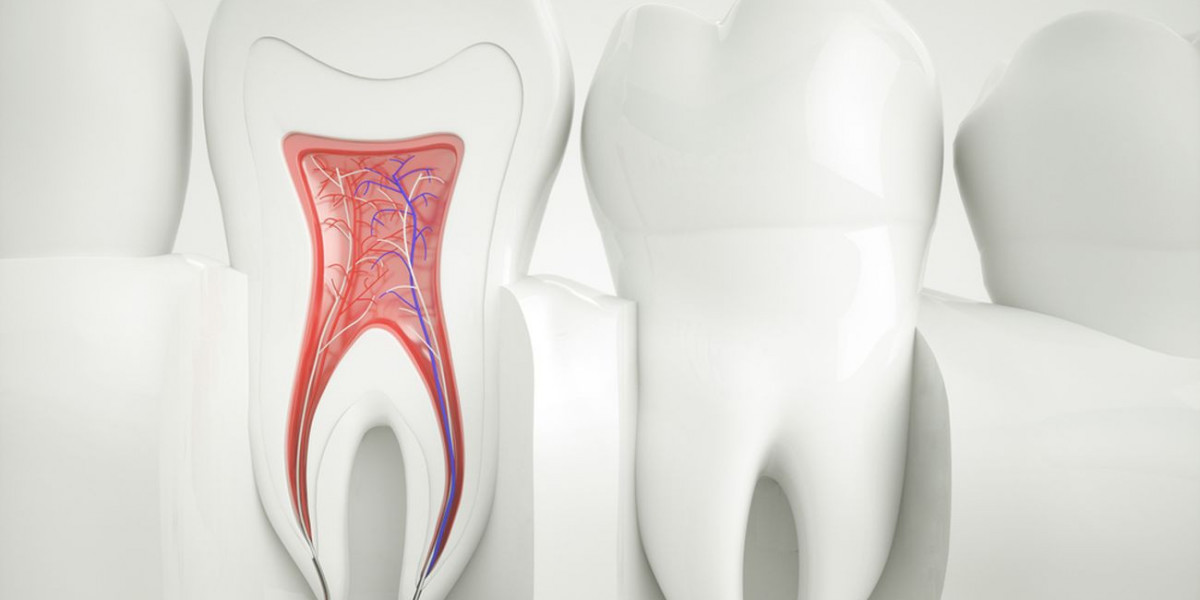

Dental health is a critical component of overall well-being, and when a tooth becomes severely decayed, infected, or damaged, choosing the right treatment is essential. Root canal therapy is often recommended as a preferred method for saving natural teeth, but many patients hesitate because of fear or misinformation. Understanding the benefits of root canal treatment over other dental options, such as tooth extraction or bridges, can help patients make informed decisions and prioritize long-term oral health.
If you are experiencing severe tooth pain, seeking professional
Root Canal Treatment in Islamabad
can help save your natural tooth and prevent further infection.
Preserving the Natural Tooth
One of the most significant advantages of root canal therapy is the preservation of the natural tooth. Unlike extraction, which removes the tooth entirely, a root canal eliminates infection while maintaining the tooth’s structure and function. Preserving the natural tooth is important for several reasons: it maintains proper chewing ability, supports adjacent teeth, prevents bone loss in the jaw, and keeps the natural alignment of the dental arch intact. Losing a tooth can lead to shifting of neighboring teeth, bite problems, and difficulties in speaking and eating, which may require additional corrective treatments in the future.
Avoiding Tooth Extraction Complications
While extraction might seem like a straightforward solution, it can create a cascade of dental problems. After a tooth is removed, patients often require replacement options such as dental implants, bridges, or partial dentures. These procedures can be costly, require multiple appointments, and sometimes involve invasive surgery. Root canal therapy, by contrast, is less invasive, allows patients to retain their natural teeth, and reduces the need for more extensive restorative treatments. Retaining the original tooth also helps maintain the natural appearance of the smile and avoids potential complications associated with artificial replacements.
Long-Term Durability and Functionality
Root canal-treated teeth are highly durable and can last a lifetime with proper care. After the procedure, the tooth is typically restored with a crown or filling, which strengthens it and protects it from further damage. This restoration allows the tooth to function like a natural tooth, enabling patients to chew and bite normally without discomfort. In contrast, extracted teeth replaced by artificial options may not fully replicate the strength, stability, or sensory feedback of a natural tooth, potentially affecting eating habits and overall oral function.
Pain Relief and Infection Control
Root canal therapy addresses the source of dental pain by removing infected or inflamed pulp from the tooth. This not only eliminates discomfort but also prevents the infection from spreading to surrounding teeth, gums, and jawbone. Other treatments, such as extraction, may remove the infected tooth but do not address potential issues in adjacent teeth or underlying oral structures. Root canals allow for targeted treatment, reducing the risk of abscess formation and systemic complications caused by untreated infections.
Aesthetic Benefits
Retaining the natural tooth through root canal therapy preserves the natural shape and appearance of the tooth. This is especially important for front teeth, where aesthetics play a significant role in confidence and social interactions. Tooth extraction, even when followed by implants or bridges, may not always provide the same seamless look and feel as a preserved natural tooth. Root canal therapy ensures that the patient’s smile remains as natural as possible.
Cost-Effectiveness Over Time
Although root canal therapy may initially seem more expensive than a simple extraction, it is often more cost-effective in the long run. Extracted teeth usually need to be replaced with bridges or implants, which can significantly increase overall dental costs. Root canal therapy, combined with a crown or restoration, provides a long-lasting solution with fewer additional procedures, reducing long-term expenses and the need for ongoing dental interventions.
Minimally Invasive Compared to Alternatives
Modern root canal techniques are minimally invasive and designed to preserve as much of the natural tooth structure as possible. The procedure is performed under local anesthesia, minimizing pain during treatment. Recovery is typically straightforward, and patients can resume normal activities quickly. In contrast, alternatives such as dental implants require surgical procedures, longer healing times, and often more extensive care. Root canals provide an efficient, effective, and less invasive way to save a compromised tooth.
Conclusion
Root canal therapy offers numerous benefits over other dental treatments, making it a preferred choice for managing severely damaged or infected teeth. By preserving the natural tooth, preventing complications from extraction, providing long-term durability, relieving pain, and maintaining aesthetics, root canals support both oral health and overall quality of life. Additionally, they are cost-effective and minimally invasive, further enhancing their value compared to alternatives like extraction and dental implants.
Choosing root canal therapy allows patients to maintain the function, appearance, and integrity of their natural teeth while avoiding the potential challenges of artificial replacements. With proper post-treatment care, regular dental checkups, and good oral hygiene, a root canal-treated tooth can last a lifetime, making it a reliable and beneficial solution for dental problems that threaten the natural dentition.