
In the journey of building or renovating a home in Canada, doors are often an afterthought, selected primarily for their aesthetic appeal. However, two specific types of doors carry functional significance that goes far beyond style: Fire Rated Doors and Prehung Interior Doors. Understanding their distinct purposes, the regulations that govern them, and their benefits is crucial for ensuring the safety, efficiency, and long-term value of your Canadian home.
Part 1: Fire Rated Doors – Your First Line of Defence
In a country where building codes prioritize occupant safety, fire rated doors are not just a recommendation; they are a legal requirement in specific areas of residential and commercial buildings.
What Exactly is a Fire Rated Door?
A fire rated door is not just the door slab itself. It is a complete, tested assembly that includes the door, the frame, the hardware (hinges, locks, and closers), and the intumescent seals. These components are rigorously tested together in certified laboratories to withstand fire for a specified period. In Canada, the most common ratings for residential applications are 20-minute and 45-minute doors.
The magic lies in the details. The core of a fire door is filled with non-combustible materials like mineral wool. Crucially, intumescent seals are installed around the edges of the door or within the frame. When exposed to intense heat, these seals expand dramatically, filling the gaps between the door and its frame to prevent toxic smoke and flames from passing through.
Where Are They Required in Canadian Homes?
The National Building Code of Canada (NBC) and provincial/territorial adaptations dictate where fire rated doors must be installed. Key locations include:
Doors between the house and an attached garage: This is one of the most critical placements. A fire starting in the garage, where flammable liquids and vehicles are present, can be contained long enough for occupants to escape.
Doors to furnace/mechanical rooms: These rooms house high-temperature equipment that can be a potential fire source.
Doors protecting exit routes: In multi-unit residential buildings (like condos and apartments), doors leading to stairwells and corridors are heavily fire-rated to create protected escape paths.
Doors between separate living units: In duplexes, townhouses, and apartment buildings, the door separating one unit from another must be fire rated.
Canadian Standards and Certification
Look for the label. Every certified fire rated door assembly in Canada will have a permanent label from an accredited agency, such as ULC (Underwriters' Laboratories of Canada) or Warnock Hersey. This label is your assurance that the door has been tested to Canadian standards (CAN/ULC-S104) and will perform as expected in an emergency. Never remove this label, and always ensure installation is done by a professional who understands the critical nature of the assembly.
Beyond Code: The Value of Peace of Mind
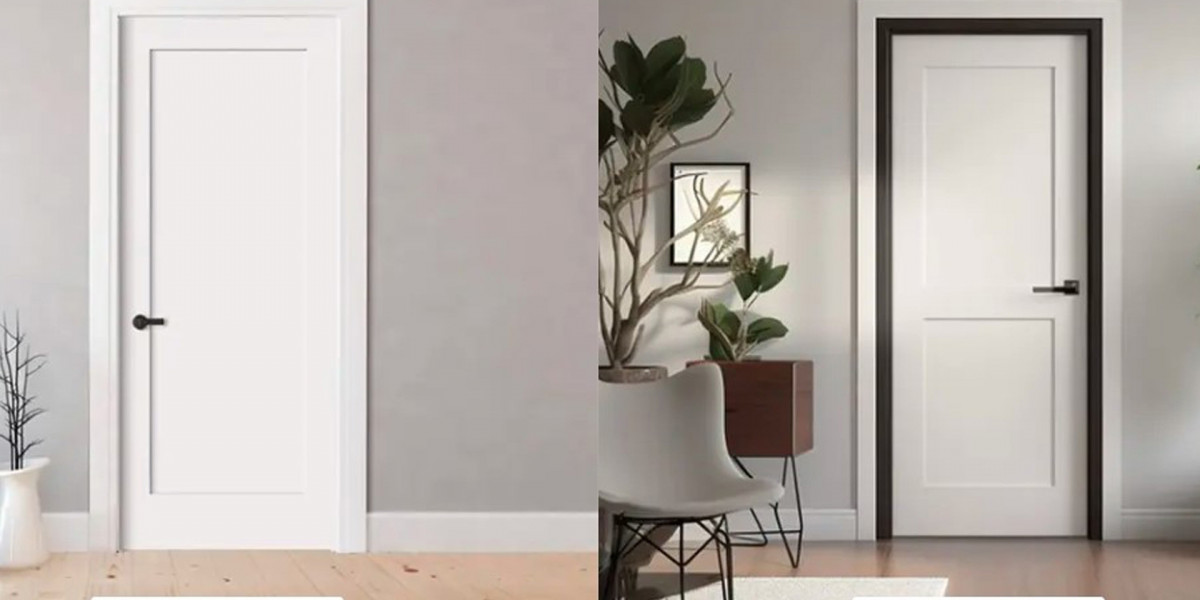
While you must comply with the code, installing a fire rated door offers invaluable peace of mind. It provides a passive, always-on layer of protection for your family, containing a fire long enough for everyone to get out safely and for emergency services to arrive. When selecting one, you are not limited to industrial-looking designs; they are available in a variety of styles, including those that mimic popular modern and traditional interior doors, ensuring they blend seamlessly with your home’s décor.
Part 2: Prehung Interior Doors – The Key to a Flawless Finish
While fire doors are about safety, prehung interior doors are all about precision, efficiency, and achieving a professional-quality finish. For any major renovation or new build, they are the superior choice over "slab" doors (the door leaf only).
What is a Prehung Door?
A prehung door is a complete, ready-to-install unit. It comes with:
The door slab, already sanded and primed (or sometimes pre-finished).
The frame (or jamb), pre-assembled into a single unit.
The hinges, which are already mortised (recessed) into both the door and the jamb.
The door stop, which is the trim attached to the jamb that the door closes against.
Often, a pre-cut hole for the latch-set is also included.
This entire assembly is packaged together, ensuring that every component is perfectly aligned from the factory.
Why Prehung Doors Dominate Canadian Renovations and Builds
Faster, Simpler Installation: Installing a slab door is a time-consuming carpentry skill. It involves building a frame from scratch, chiseling out hinge mortises, and carefully aligning the door to ensure it doesn't bind or swing open. A prehung door simplifies this process dramatically. The installer simply places the unified assembly into the rough opening, levels it, and secures it. This can cut installation time from hours per door to under an hour.
Superior Fit and Performance: The factory-controlled machining of a prehung unit guarantees a perfect, consistent gap around the entire door. This precise fit prevents common problems like sticking, dragging, or latch misalignment that can plague DIY slab door installations. In Canada’s varied climate, with its humid summers and dry winters, a proper fit is essential to prevent doors from swelling and sticking or shrinking and rattling.
Ideal for All Skill Levels: For the professional builder, prehung doors ensure speed and consistency across a project. For the ambitious DIY homeowner, they make a complex task manageable, dramatically increasing the chances of a successful, professional-looking result.
A Smoother Finish: Because the unit is pre-assembled, the finish painter can paint the door, jamb, and stop separately before final installation, or easily after, without worrying about painting over hinges or dealing with awkward gaps.
Considerations for the Canadian Market
Material Choices: Prehung interior doors are widely available in Canadian building supply stores like Home Depot, Lowe’s, and specialized door suppliers in core materials:
MDF (Medium-Density Fiberboard): The most popular and affordable option. It is incredibly stable, resisting warping in Canada’s humidity swings, and provides a smooth, perfect surface for paint.
Solid Wood (e.g., Pine, Oak): Offers a premium, authentic look and can be stained to showcase the natural grain. They are heavier and more susceptible to minor expansion and contraction but are valued for their beauty and durability.
Hollow Core: A lightweight and budget-friendly option, suitable for closets and low-traffic areas where sound insulation and durability are less critical.
Climate Considerations: The stability of MDF makes it a particularly wise choice for the Canadian climate, as it is less prone to warping than solid wood when faced with significant humidity changes, especially in bathrooms or basements.
Making the Right Choice for Your Canadian Home
While Fire Rated and Prehung Interior Doors serve different primary functions, their paths often cross. It is entirely possible—and common—to have a prehung fire rated door assembly. This is the ideal solution for a garage entry or furnace room, combining the life-saving functionality of a fire door with the ease of installation and perfect fit of a prehung unit.
Key Takeaways for Your Project:
Safety First: Consult your local building code and your builder to identify all locations where a fire rated door is mandatory. Never compromise on the certified assembly or its professional installation.
Invest in Efficiency: For all other interior doors, choose prehung units. The marginal additional cost is quickly offset by the savings in installation time and the avoidance of future headaches from poorly hung doors.
Look for the Label: Whether it’s a ULC label on a fire door or the quality stamp on a prehung unit, trust certified products from reputable Canadian suppliers.
Think Long-Term: Both these door types are investments. Fire rated doors protect your most valuable assets—your family and your property. Prehung doors protect the quality and finish of your home, ensuring it remains beautiful and functional for years to come.
In conclusion, viewing doors as integral components of your home’s safety and construction system, rather than mere decorative elements, is a hallmark of a savvy Canadian homeowner or builder. By specifying the right door for the right job, you build with confidence, knowing your home is safer, better constructed, and designed to stand the test of time and climate.