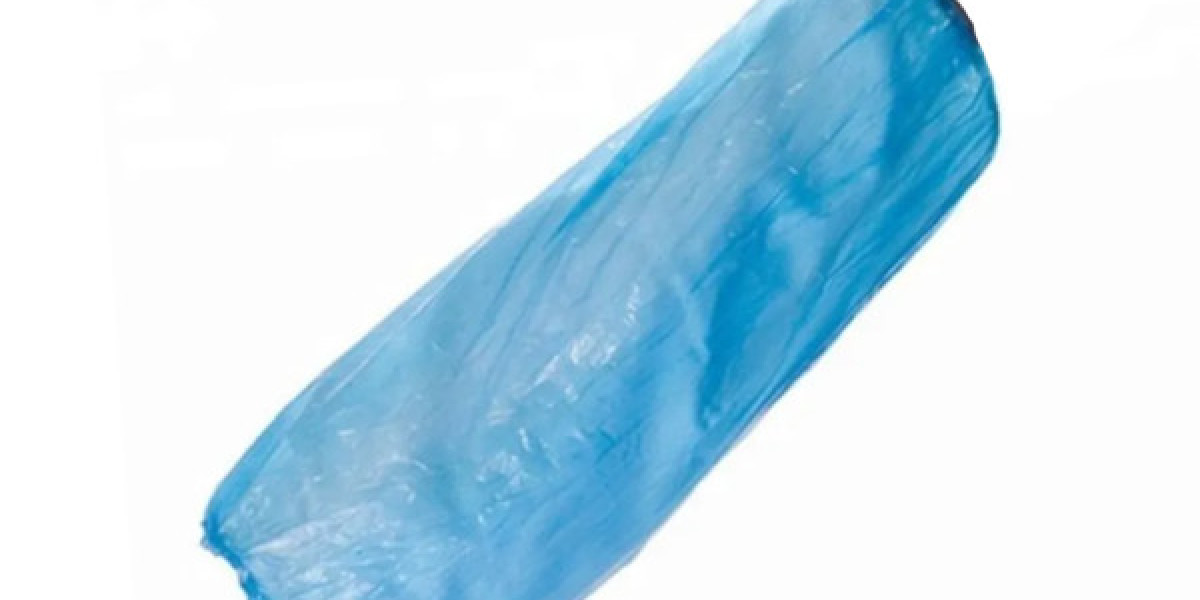

Single-use sleeve covers are a crucial component of personal protective equipment, designed to maintain cleanliness and prevent contamination in various environments. Commonly used in industries such as healthcare, food processing, and laboratories, these covers act as a reliable barrier against particles, liquids, and other contaminants. Their disposable nature ensures that hygiene standards are upheld by minimising the risk of cross-contamination. Lightweight and versatile, they are designed to meet the demands of various applications, providing a practical solution for maintaining high hygiene standards. Through careful design and material selection, disposable sleeve covers offer both functionality and ease of use, making them an indispensable resource in sectors where cleanliness is paramount.
Material Composition
Single-use sleeve covers are constructed from various materials, including polyethylene, polypropylene, and SMS (spunbond-meltblown-spunbond) fabric. Polyethylene offers excellent liquid resistance, making it ideal for environments where protection against moisture is crucial. Polypropylene is valued for its lightweight and breathable properties, providing comfort during prolonged use. SMS fabric combines multiple layers to deliver a balance of breathability, durability, and protection, making it a preferred choice in settings requiring enhanced safety.
The selection of material depends on the specific requirements of the environment, such as the need for fluid resistance, flexibility, or comfort. High-quality materials ensure that these sleeve covers provide reliable protection while remaining easy to wear. Each material offers distinct characteristics that make single-use sleeve covers versatile and practical for use in hygiene-sensitive industries such as healthcare, food handling, and laboratories.
Design Features
The construction of single-use sleeve covers integrates practical design features to enhance their utility across various settings. Elasticated ends ensure a secure and reliable fit, preventing slippage during use and maintaining full coverage. Specific designs incorporate thumb loops, which help keep the sleeves in place, especially during tasks that require extensive movement. Available in various lengths and widths, they cater to diverse user needs, providing sufficient arm protection in different environments.
The use of lightweight materials enhances user comfort and reduces fatigue during prolonged wear, while ensuring flexibility for easy movement. Ventilated materials in some designs further improve comfort without compromising on the protective function. These thoughtful design elements contribute to the practicality of single-use sleeve covers, making them suitable for high-demand settings where hygiene and performance are key priorities.
Industries Using Sleeve Covers
Single-use sleeve covers are utilised across a broad range of industries to maintain cleanliness and minimise contamination risks. In healthcare and medical environments, they provide essential protection against the spread of pathogens during procedures or patient care. The food processing sector relies on these covers to prevent contamination of food products, ensuring compliance with hygiene regulations. Laboratories and pharmaceutical facilities utilise them to maintain sterile conditions and ensure the integrity of experiments or production processes.
Additionally, industries such as electronics manufacturing benefit from their ability to protect sensitive components from dust and debris. The versatility and functionality of single-use sleeve covers make them integral to maintaining stringent hygiene standards in these diverse professional settings.
Protection against Contaminants
Single-use sleeve covers serve as an effective barrier against contaminants, ensuring cleanliness and reducing the risk of cross-contamination in various controlled environments. In healthcare, they protect against the transfer of pathogens, supporting infection control protocols. In the food industry, they help prevent particles, liquids, or microorganisms from coming into contact with food products, ensuring adherence to stringent hygiene standards.
Laboratories and cleanroom settings also benefit from their protective qualities, as they minimise the risk of foreign substances disrupting sensitive processes or experiments. These covers are carefully designed to block contaminants while remaining practical and functional, making them a crucial component in maintaining hygienic practices across various sectors that require high standards of cleanliness.
Ease of Use
Single-use sleeve covers are designed for straightforward application and removal, ensuring efficiency in various professional settings. The elasticated openings provide a secure and adjustable fit, eliminating the need for additional fasteners and reducing preparation time. Their lightweight nature allows users to wear them comfortably during extended tasks without hindrance. These covers are packaged for convenient access, streamlining the process in busy work environments.
The thoughtful design supports seamless integration into hygiene protocols, particularly in industries where frequent changes are required. This practical approach not only enhances operational efficiency but also maintains cleanliness standards effectively. Ensuring that the sleeve covers are stored correctly further contributes to their ease of use, keeping them ready for immediate application.
Environmental Considerations
Environmental considerations for single-use sleeve covers have led to the development of options that incorporate sustainable materials. Some covers are manufactured using biodegradable substances, allowing for a reduced environmental footprint after disposal. Additionally, specific designs utilise recyclable materials, enabling appropriate recycling processes to lessen waste impact. Proper disposal methods, such as segregating used covers for recycling or composting when applicable, play a significant role in mitigating environmental impacts.
Adopting these practices aligns with increasing global efforts to minimise waste from single-use items. Businesses opting for environmentally conscious alternatives can contribute to reducing overall waste generation, supporting broader sustainability goals while maintaining the functional benefits of single-use sleeve covers in hygiene-critical applications.
Cost Effectiveness of Disposable Sleeve Covers
Disposable sleeve covers offer an economical solution for maintaining hygiene in environments that require regular protective measures. Their single-use nature eliminates costs related to washing, drying, and storing reusable alternatives, making them particularly advantageous in high-demand industries. Bulk purchasing options further enhance cost efficiency by reducing unit costs. The affordability of single-use sleeve covers allows businesses to meet stringent hygiene requirements without compromising operational budgets.
Additionally, the reduction in labour and resources associated with cleaning reusable gear contributes to overall savings. By selecting appropriate types and materials tailored to specific industry needs, organisations can optimise expenses while ensuring compliance with hygiene standards. This cost-effective approach supports maintaining cleanliness across various professional settings that require frequent changes in protective equipment.
Regulatory Compliance
Single-use sleeve covers are subject to strict regulatory standards to ensure they meet the necessary safety and hygiene requirements for various industries. These standards often specify criteria such as material properties, resistance to liquids, and effectiveness in preventing contamination.
Compliance with regulations ensures that the products are suitable for their intended use and uphold workplace safety and hygiene protocols. Regulatory guidelines may also dictate proper labelling and certification to verify the quality and reliability of the sleeve covers.
Adhering to these standards not only supports operational efficiency but also helps organisations meet legal and professional obligations. Understanding and applying relevant regulatory requirements is integral to the safe and effective use of single-use sleeve covers in controlled environments.
Storage and Handling
Proper storage and handling of single-use sleeve covers are vital to maintain their hygiene and usability. They should be stored in an environment free from moisture and excessive heat to prevent material degradation. Keeping them in their original, sealed packaging until required helps to avoid accidental contamination. When handling the covers, it is essential to ensure that they remain clean and intact, avoiding any unnecessary contact with external surfaces.
Damaged or compromised covers should be discarded immediately to maintain safety standards. Proper organisation of storage areas also ensures easy access, particularly in fast-paced environments where rapid deployment may be necessary. Implementing these practices helps preserve the integrity and functionality of single-use sleeve covers for their intended applications.
Durability and Performance
The durability and performance of single-use sleeve covers depend on their material composition and intended application. They are engineered to provide reliable protection during use, with resistance to wear and tear within controlled environments. Factors such as exposure to liquids, chemicals, or physical strain can influence their effectiveness, highlighting the importance of selecting the appropriate type for specific tasks.
Certain materials, such as polyethylene, are particularly well-suited for fluid-resistant applications, while SMS fabric offers enhanced durability in demanding conditions. Despite being designed for single-use, these covers maintain their protective properties throughout their intended duration, ensuring they meet hygiene and safety standards. Proper handling and storage further support their performance, reducing the risk of material degradation or compromise.
Customisation Options
Single-use sleeve covers can be tailored to meet diverse industrial requirements by offering variations in size, material, and design features. Length and width adjustments enable optimal coverage in specific applications, while material options offer flexibility tailored to the level of protection required. Customisation may also include colour-coding to align with workplace protocols or to differentiate roles within a facility.
Additional features, such as reinforced seams or specific closures, can further enhance their suitability for particular tasks. These adaptable options ensure that single-use sleeve covers meet the functional demands of various sectors while maintaining hygiene and safety standards.
Safety Precautions
Ensuring the correct use of single-use sleeve covers is crucial for maintaining their protective effectiveness. Users should verify that the covers are undamaged and free from defects before application. Selecting the appropriate size and material for the specific task enhances both comfort and functionality.
Proper disposal after single use is essential to prevent cross-contamination and maintain hygiene standards. It is also important to store unused covers in a clean, dry location to preserve their integrity. Adhering to workplace protocols and manufacturer guidelines ensures the safe and effective use of single-use sleeve covers in professional settings.
Conclusion
Disposable sleeve covers, primarily known for hygiene and contamination control, also offer subtle yet effective marketing and brand reinforcement opportunities. While their main function is protection in sectors like food handling and healthcare, customisation options allow them to feature brand colours or simple logos, ensuring a consistent professional appearance. Their use implicitly communicates a strong commitment to cleanliness and quality control to clients and partners, reinforcing a positive brand image in environments where hygiene is paramount. This integration of practicality with subtle branding makes them a valuable, low-cost tool in an organisation's overall visual and quality assurance strategy.
Frequently Asked Questions about single-use sleeve covers
How can the use of disposable sleeve covers reinforce a company's brand image to clients?
The consistent use of disposable sleeve covers, particularly those colour-coded or featuring a subtle logo, reinforces a brand image of professionalism and meticulous quality control. In hygiene-sensitive industries, seeing staff use this protective gear assures clients and regulatory bodies that the company prioritises cleanliness and product integrity.
Are there any customisation options on sleeve covers that can be used for branding purposes?
Yes, customisation options allow for effective, albeit subtle, branding. This includes selecting materials in specific brand colours (colour-coding) or requesting small, unobtrusive logo printing on the material. This ensures that the essential protective equipment aligns visually with a company's corporate identity.
How does the transparent commitment to hygiene, shown by wearing covers, benefit a business marketing-wise?
In sectors like food production or clean-room manufacturing, the visible commitment to hygiene acts as a powerful marketing tool. It builds customer trust and confidence in the product's safety and quality, serving as visual proof that the company meets or exceeds industry hygiene standards, which can be a key differentiator in competitive markets.
What is the marketing significance of selecting different material compositions for sleeve covers?
The choice of material (e.g., polyethylene for liquid resistance or SMS fabric for durability) signifies the company's expertise and appropriate risk management. Marketing this selection implicitly communicates that the company is serious about using fit-for-purpose equipment, reinforcing a message of reliability and technical competence to partners and inspectors.
Can custom colour-coding of sleeve covers have a marketing function within a facility?
Yes, custom colour-coding is often used internally for role or area differentiation, which streamlines operations. Marketed externally, this system can be presented as a sophisticated quality assurance methodology, showing clients the company's commitment to organised, contamination-minimising processes, which supports a high-quality brand perception.
Related Business Listings |








